
Book Review: Bats of the World: A Guide to Every Family
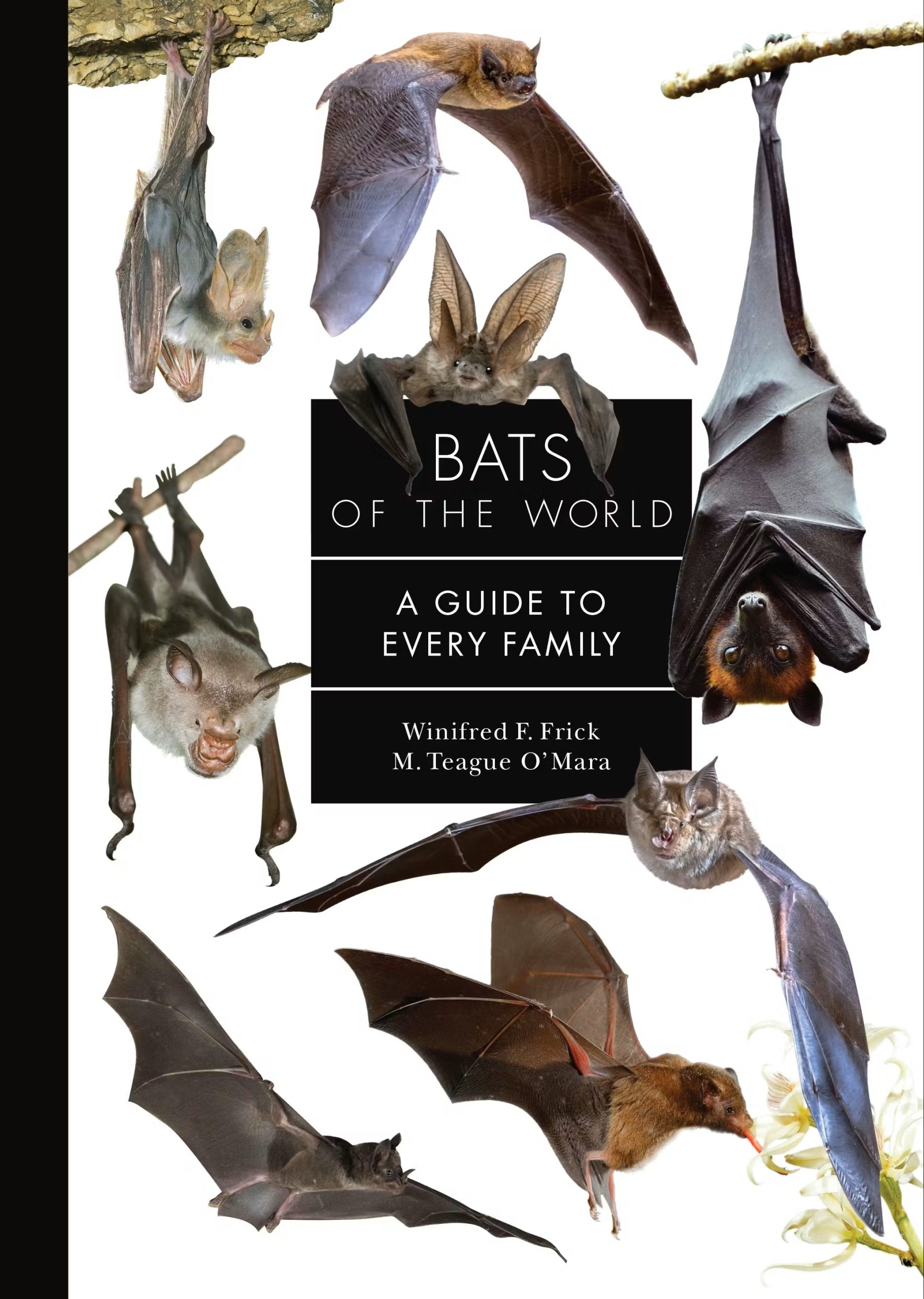
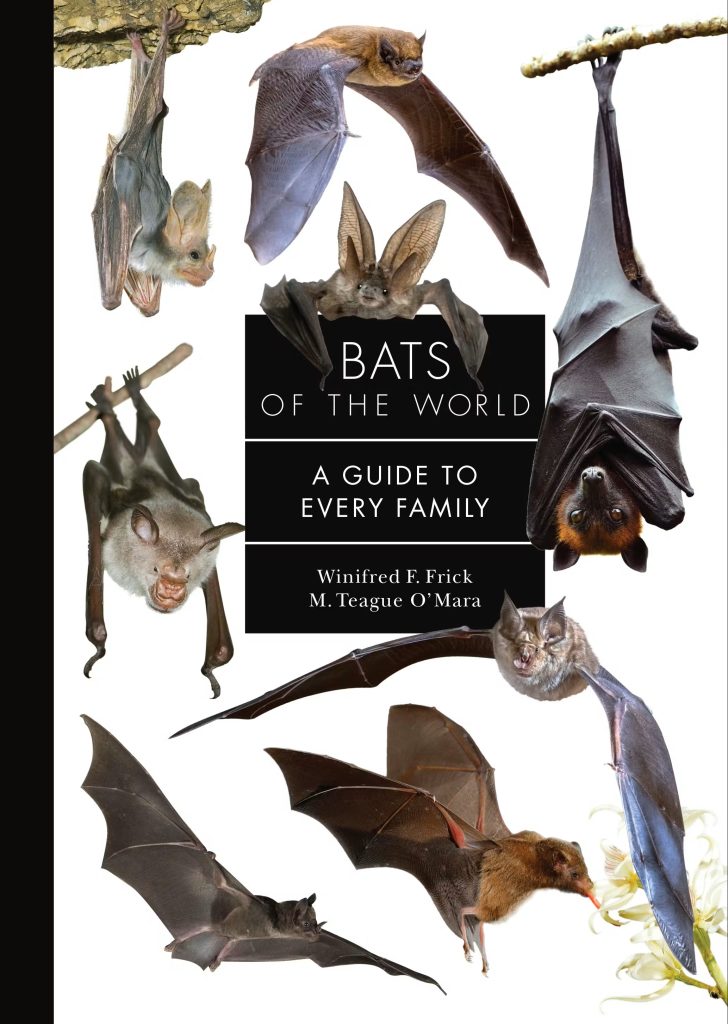
Winifred F. Frick’s and M. Teague O’ Mara’s new book, Bats of the World: A Guide to Every Family, is one of the latest additions to the Princeton University Press suite of nature books.
If you love bats anything like as much as me – and given there are 1500 species of them and you are on the mammalwatching website then I hope you do! – then I imagine you will enjoy this book.
As you might have guessed from the title, this book is a 250 page guide to the world’s 21 families of bats.
I’d argue that the bats are the most diverse order of mammals on Earth. I you disagree then flicking through this book might help persuade you otherwise. From the tiny Bumble Bee Bats of Thailand, with their 15cm wing span, to the Golden Crowned Flying Foxes in the Philippines, with wings that stretch about as tall as a human, bats come in a great many shapes and sizes. Some are insectivorous, others eat fruit. Some catch fish and others hunt birds, reptiles and even mammals. And of course they choose to live in a very wide variety of places: buildings, caves, inside and outside trees. Some even build tents. So the next time you are on vacation test out your friendships, and punish your kids, with fun excursions into abandoned mines, treacherous caves, dilapidated houses and filthy road culverts! They might not enjoy it in the moment but they will always remember the adventure.
This book portrays all this glorious chiropteran diversity with beautiful photos. (Side note: if you haven’t yet seen a Wrinkle-faced Bat, and have missed it as often as I have, then page 118-19 should come with a tigger warning! I don’t think a day goes by without me seeing a photo of this species.)
The authors, both distinguished academics, work for Bat Conservation International and so naturally they touch on many of the conservation threats faced by bats, including persecution based on harmful myths. Something every mammalwatcher I hope can do their bit to try to dispel when they visit a bat roost.
The guide is particularly helpful for any of us wanting to improve our bat identification skills, at least to family level, as it provides a very handy overview. It is also a useful referece to all those Latin words that bat researchers throw around like confetti. If, like me, you want to protect your street credibility, and not risk excommunication from the research world through humiliating faux pas like mistaking your uropatagium for your plagiopatagium, or confusing your posterior and anterior nose leafs, then look no further! In truth, bat people are among the most passionate and friendliest biologists anywhere, and are very often delighted to help an interested mammalwatcher to see some bats, whatever your grip on anatomy. So I hope this book will inspire a few more mammalwatchers to pay more attention to these animals that comprise a quarter of the world’ mammalian diversity. And if your vocabulary improves as a result then .. bonus!
You can buy the book via Princeton University Press or from many natural history book stores.

Post author
Leave a Reply
You must be logged in to post a comment.