

Guatemala, 2026
Led by José Gabriel Martinez-Fonseca, Luis Trujilo Sosa and Luis Enriquez Gutiérrez Lopéz
With Emma Busk, Jon Hall, Charles Hood, Mike Richardson, Venkat Sankar, Jon Swenson and Ian Thompson.
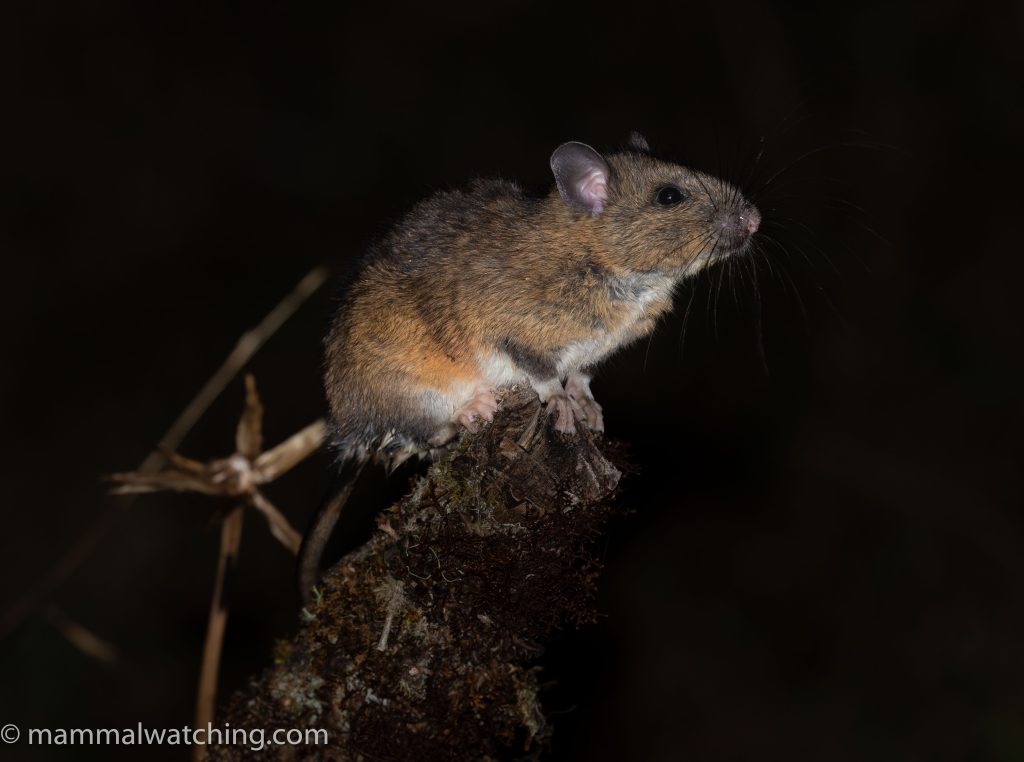
Guatemala Woodrat (Neotoma ferruginea), Laguna Magdalena
When José Gabriel Martinez-Fonseca – legendary field biologist, photographer and the greatest thing to come out of Latin America since the arepa – asked if I was interested in joining him in Guatemala I didn’t think twice. True, Guatemala was not on my radar. And yes, I doubted I would see many new mammals. So what! I knew if José was involved this was going to be something special. That – as you are about to learn – was an understatement.
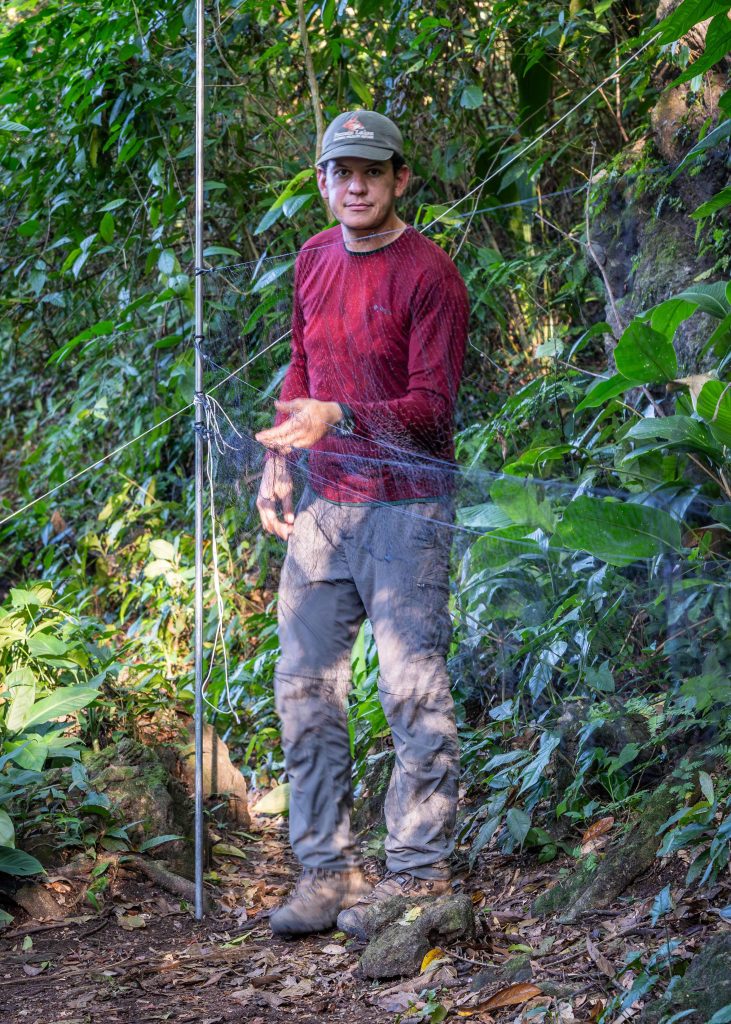
José Gabriel gets to work. Photo Charles Hood.
José organized the trip with his friend Luis Trujilo Sosa, a Guatemalan biologist from Fundacion Defensores de la Naturaleza. While José’s man in Nicaragua – Luis Enriquez Gutiérrez Lopéz – came along to help net, trap and catch anything that moved. It was good to see Luis Enriquez again because he and José were the powers behind the incredible 8 days I had in Nicaragua 10 years earlier, during which we found a record-breaking 86 species! People often ask what is the most species seen on a trip on mammalwatching trip and its a tough one to answer as some trips last a few days and some a month or more … but if you take an average daily species count then I suspect this one is a record holder … excluding Black Swan Big Day reports etc. My inner statistician nerd is taking over. Back to Guatemala …
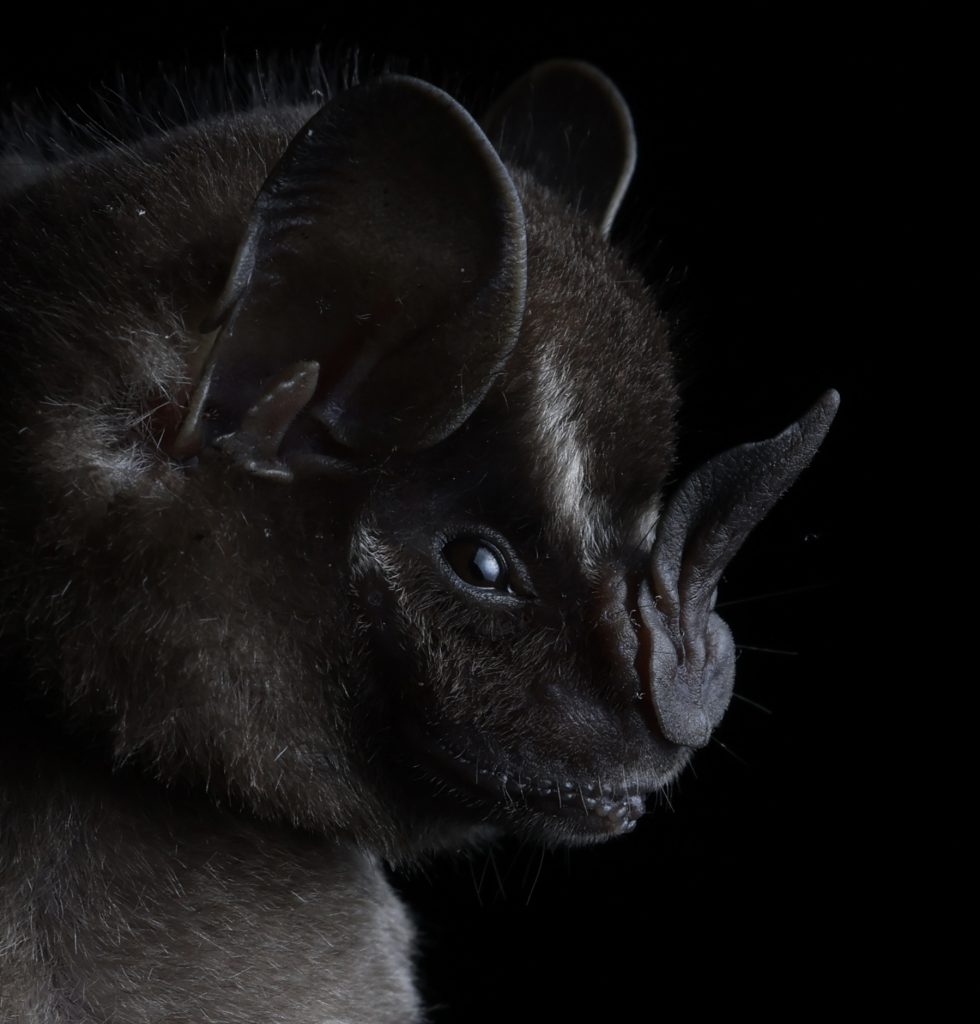
Toltec Fruit-eating Bat (Dermanura tolteca). Photo Emma Busk.
The Set Up
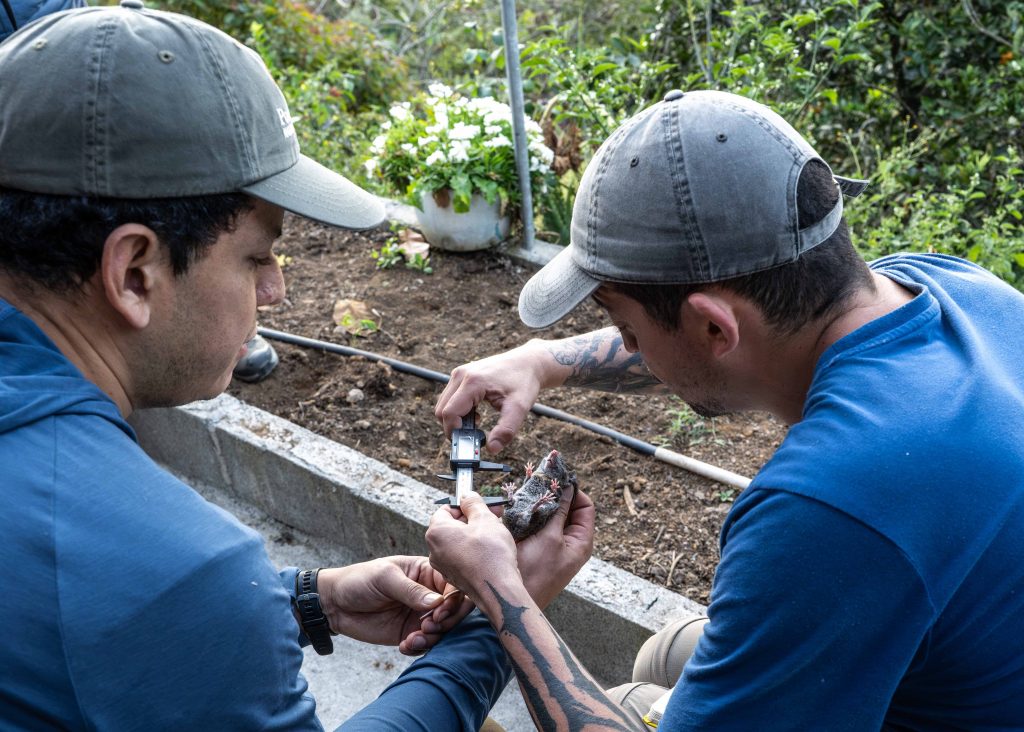
José and Luis Trujilo check a peromyscus’s shoe size. Photo Charles Hood.
We were not targeting the usual Central American suspects. This was a research trip targeting rare and undescribed species that Luis Trujilo is working on. That meant a ton of trapping: we set about 100 small mammal traps most nights and as many bat nets as possible. So inevitably this became a lifer-fest for many participants.
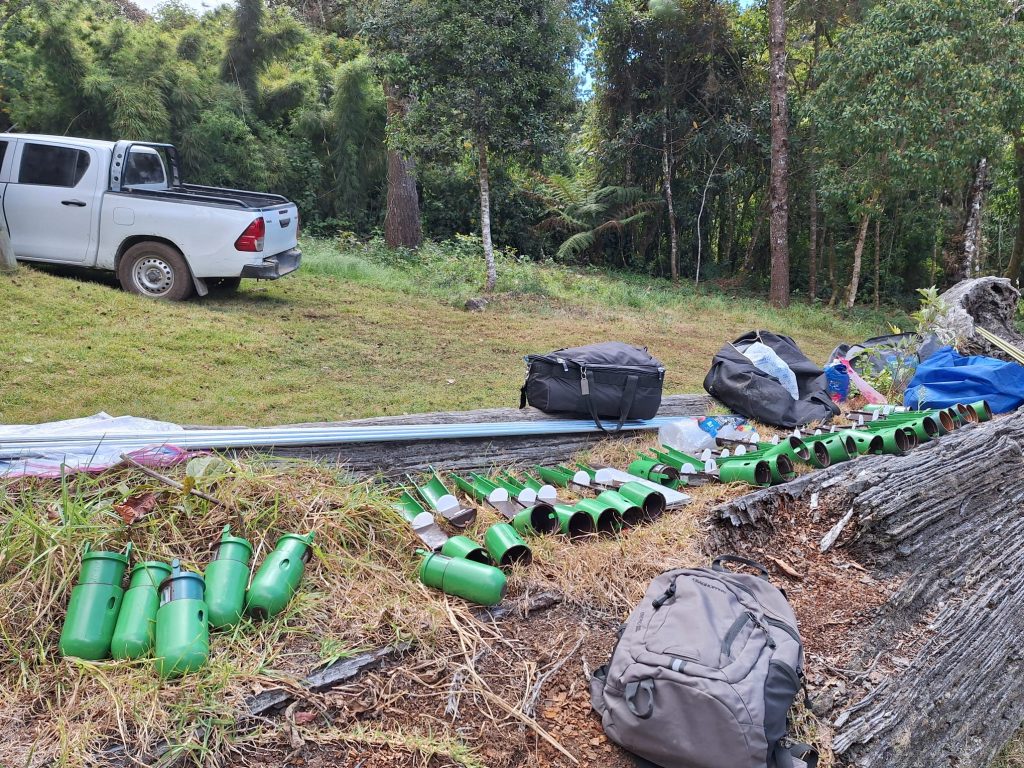
Mike’s traps. 100% NOT peromyscus proof.
The main trip took in three areas. We spent four nights at the Sierra de Las Minas Biosphere Reserve in the mountains of eastern Guatemala before hitting the lowlands with a night at the Helioderma Reserve en route to two nights at the Selempin Natural Reserve. Most of us continued for an extension to the highland grassland and forest around Cuchumantes near the Mexican border, taking in a night at the Ranchitos de Quetzal Lodge on the way.
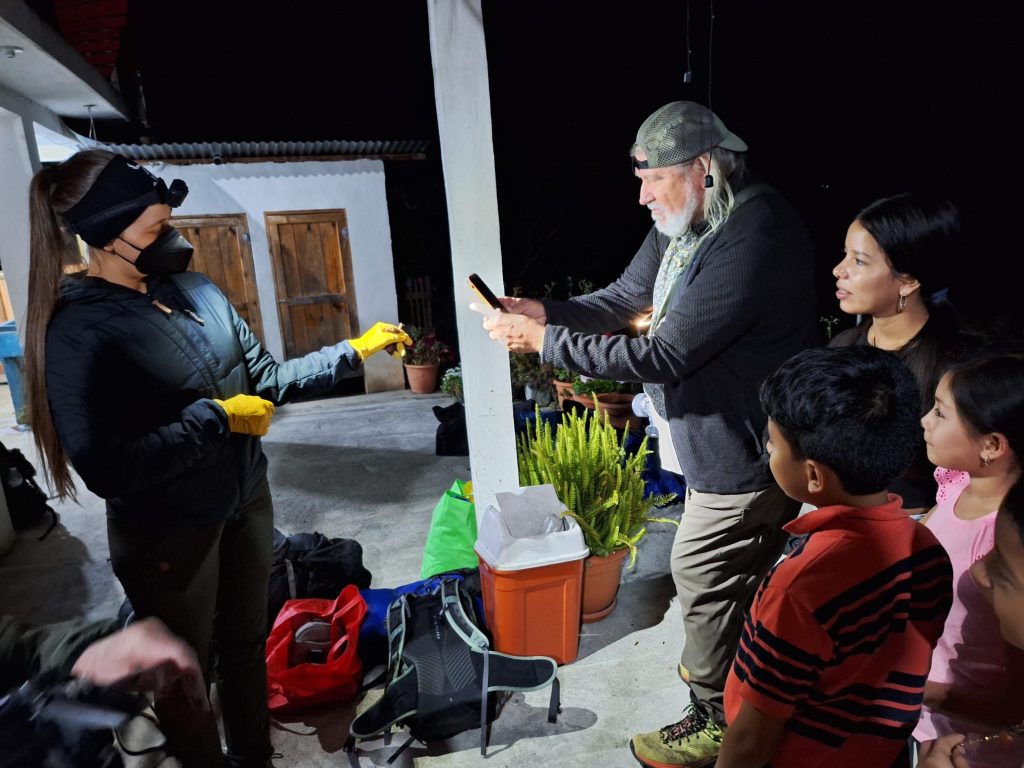
Charles and Emma entertaining the kids.
José and Luis organized everything perfectly, including the 20 seater bus they rented. Having so much space on a mammal trip was impressive. Watching our driver navigate many narrow dirt tracks without complaint was even more impressive.
Honduran Yellow-shouldered Bat (Sturnira hondurensis). Photo Emma Busk.
José, Emma and Charles dedicated their nights to pro-level bat photography most nights. The rest of us wandered around with our thermals.
We looked in a couple of caves. Only one held bats.
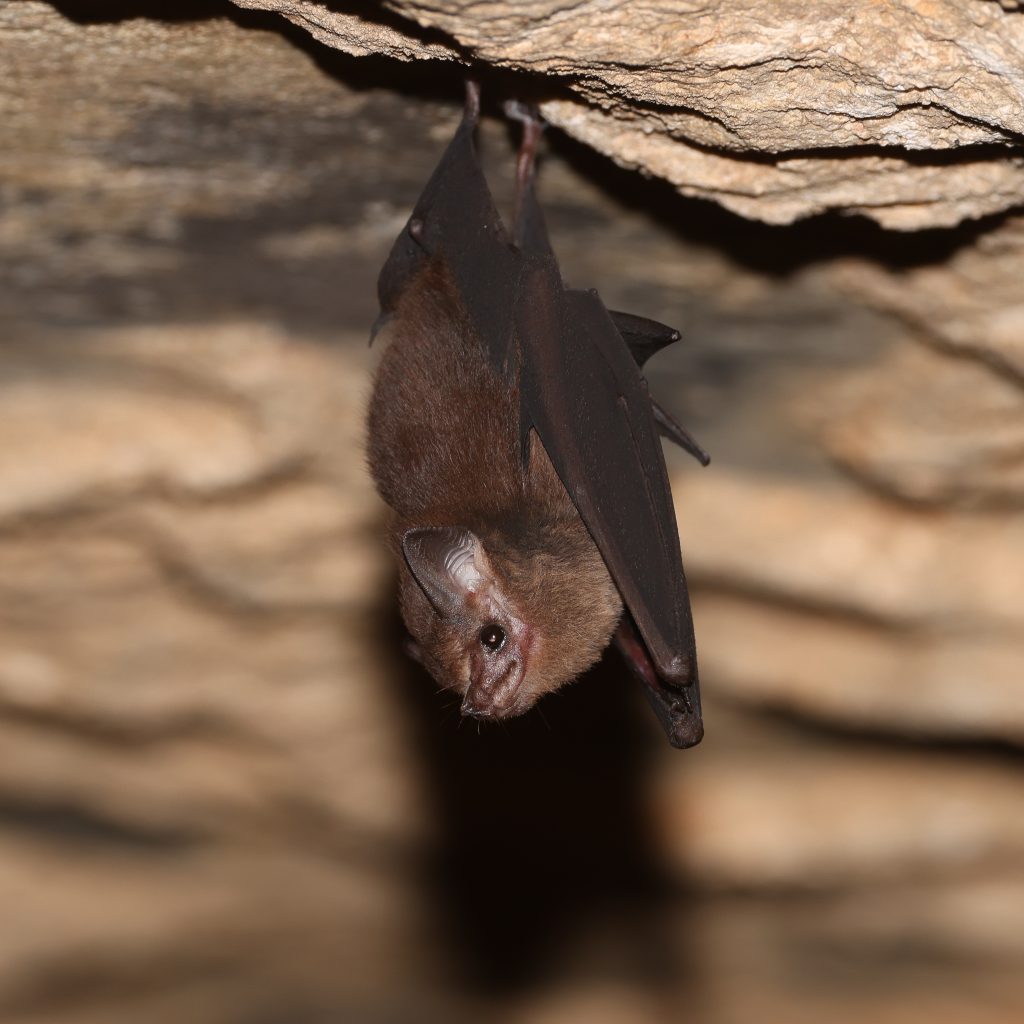
Thomas’s Sac-winged Bat (Balantiopteryx io), Selempin. Photo Emma Busk.
Sierra de Las Minas Biosphere Reserve
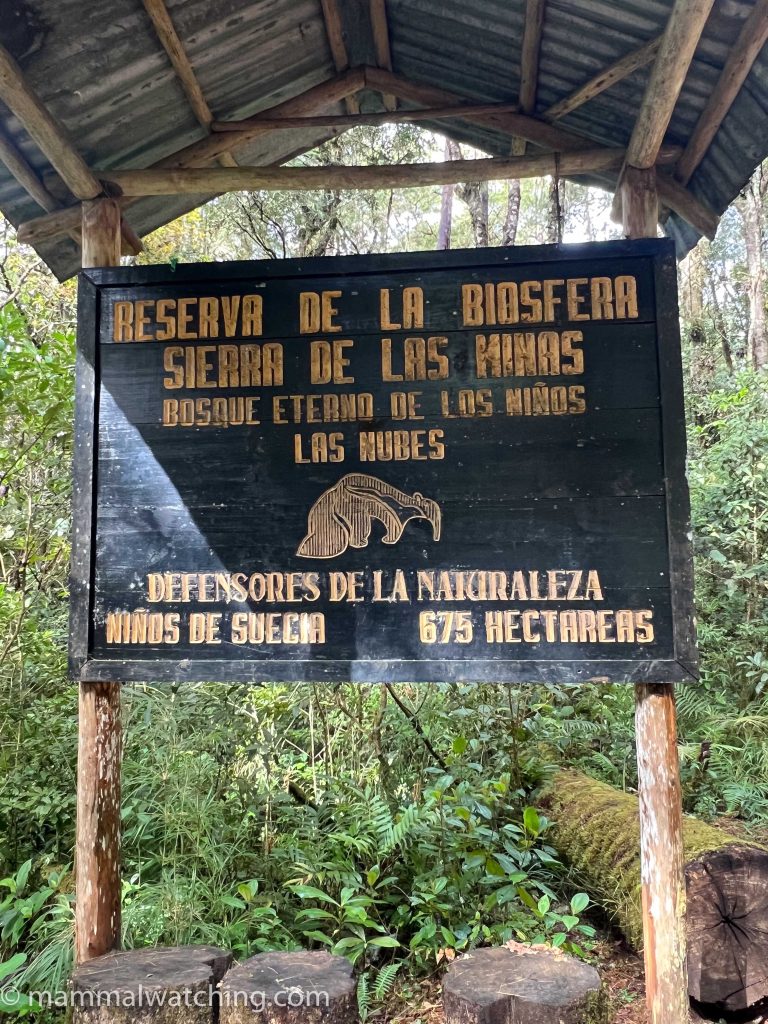
Although Mongolia will always take first place, Guatemala is currently runner up in my global ranking of unpredictable driving times. Traveling from A to B invariably took twice as long as Google Maps predicted. And usually 50% more than our bus driver’s estimate. I don’t remember how long it took us to reach these mountains from Guatemala City. Maybe 5 hours including a Walmart stop where Mike bought ingredients for an eight course small mammal bait tasting menu, featuring his signature Mike’s Magic Mix . But, however long it took, I can safely say it took longer than expected.
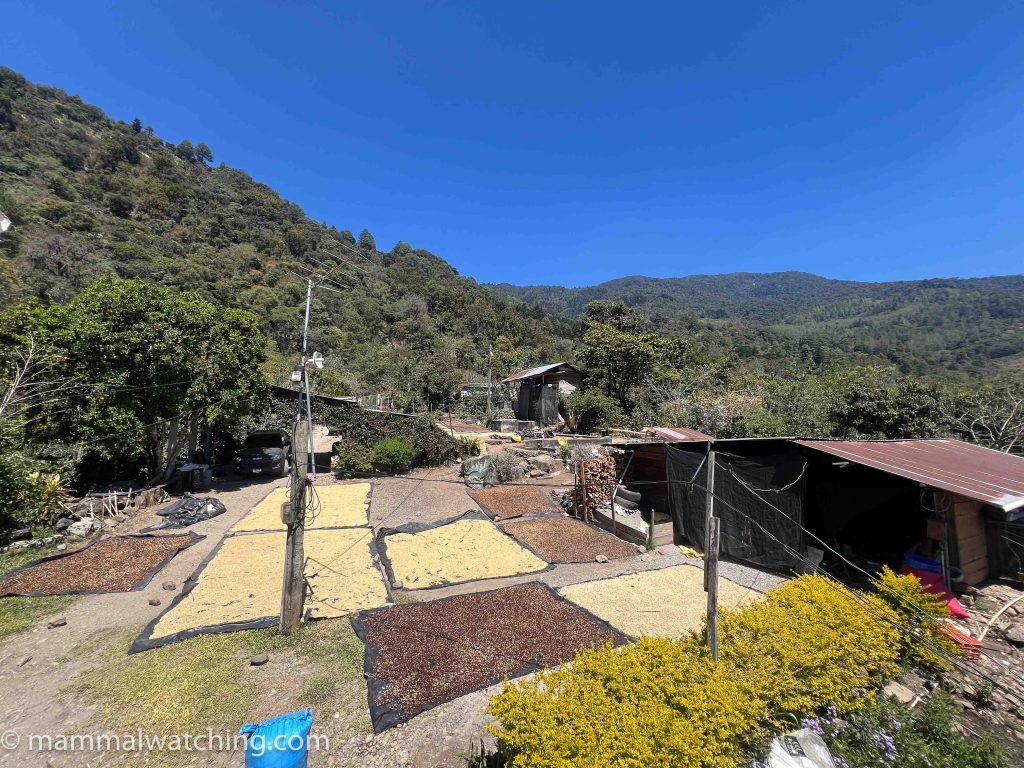
El Cafetal
We spent our first night at El Cafetal, a comfortable ecolodge just below the las Minas station.
After setting traps around the lodge and taking a brief gawp at a Variegated Squirrel, we walked to a cave rumored to hold Woolly False Vampire Bats. The cave was empty, probably because the lodge decided to ‘clean it’ in advance of our visit!
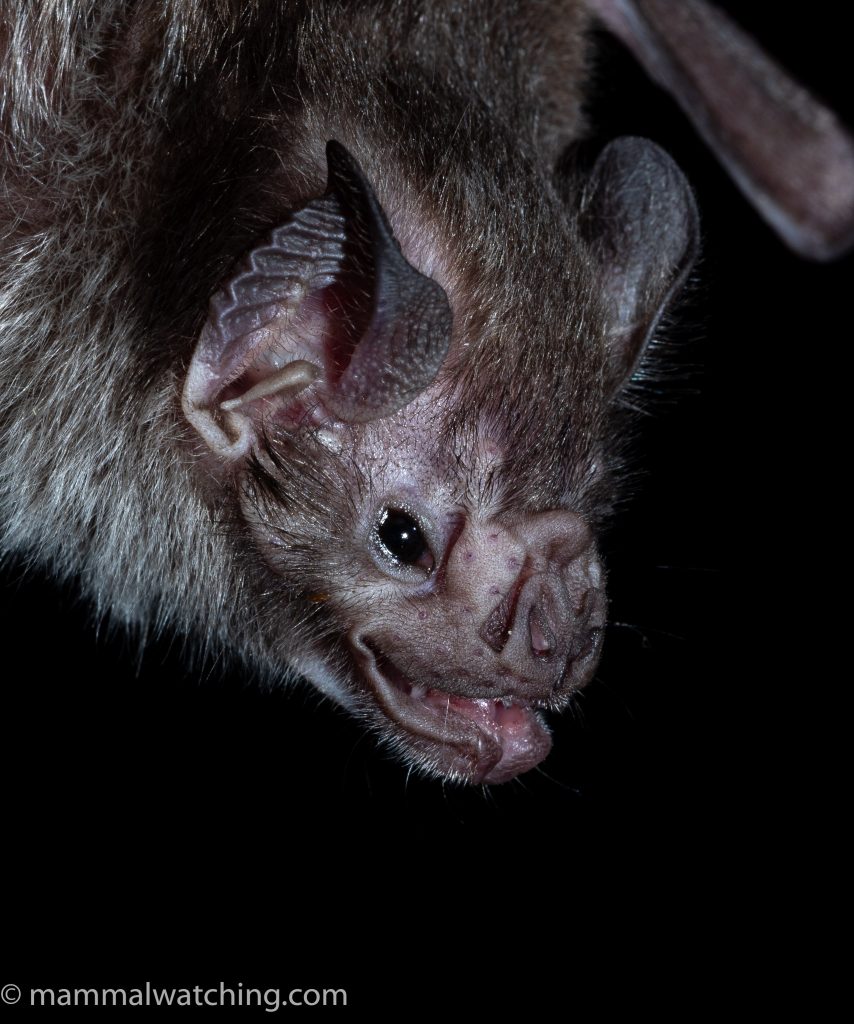
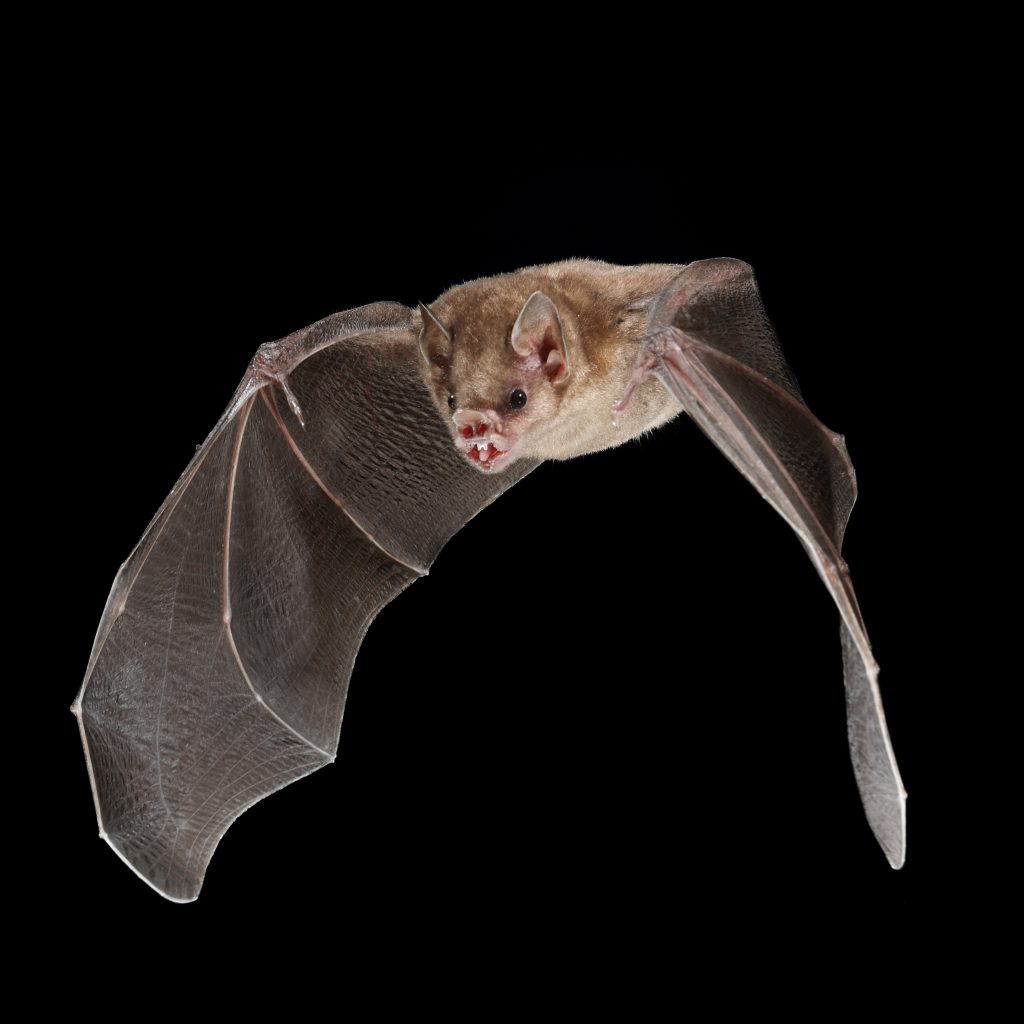
Common Vampire Bat (Desmodus rotundus)
In the bat nets we caught Gray Short-tailed Bat; Common Vampire Bat; Great & Toltec Fruit-eating Bats; Honduran & Northern Yellow-shouldered Bats; and some very cool Desert Red Bats.
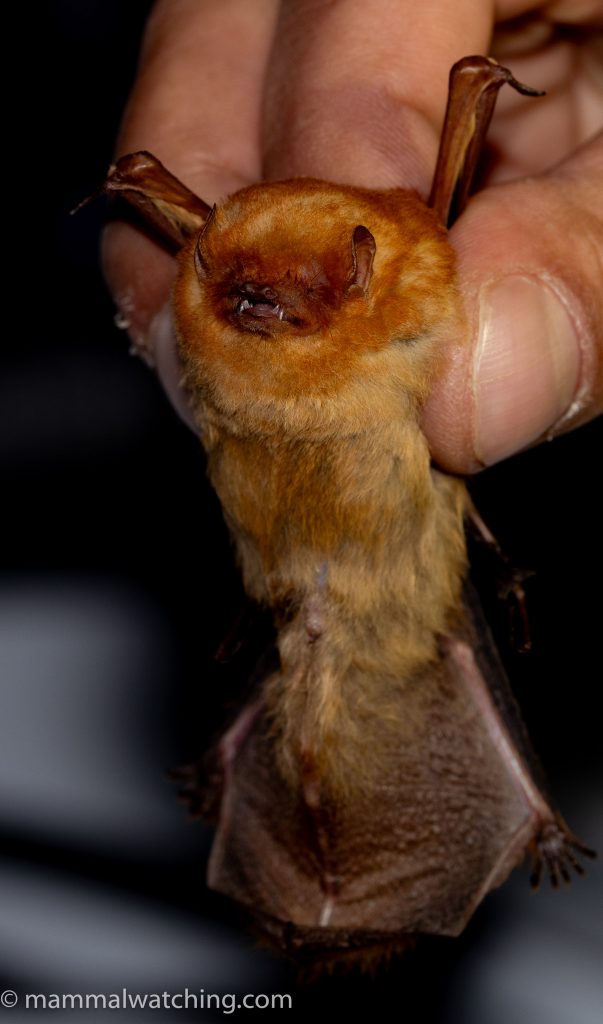
Desert Red Bat (Lasiurus frantzii)
The following morning the traps held some very large deer mice (Peromyscus cf. grandis), a new species that Guatemalan biologists are in the process of describing.
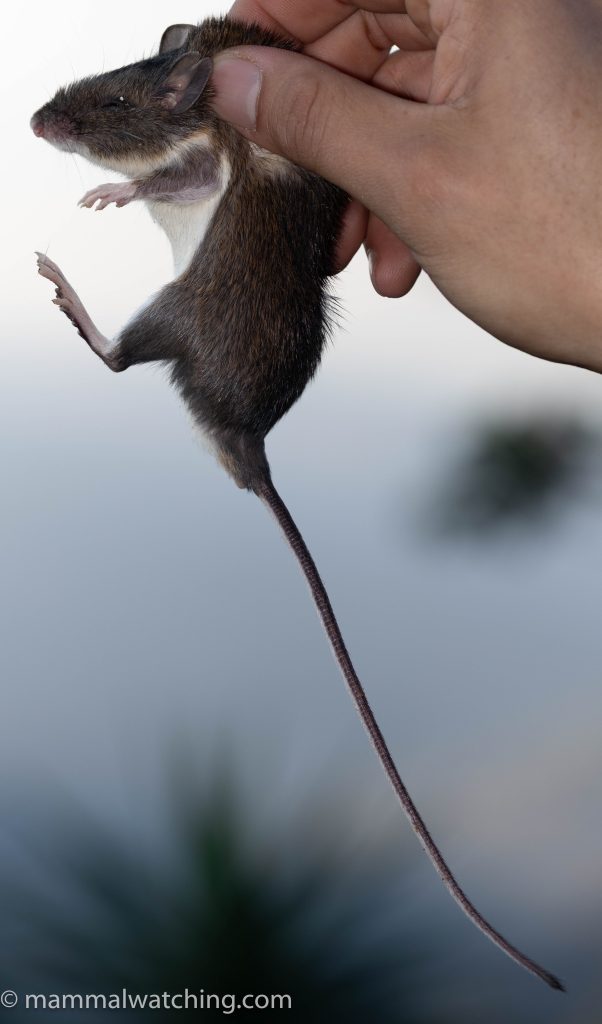
Desmarest’s Spiny Pocket Mouse (Heteromys cf. desmarestianus)
We also caught smaller Cordillera Deer Mice and some chunky pocket mice that I’ve recorded as Desmarest’s Spiny Pocket Mouse (Heteromys desmarestianus) for the time being, though they were so large that we suspect they are also a new species.
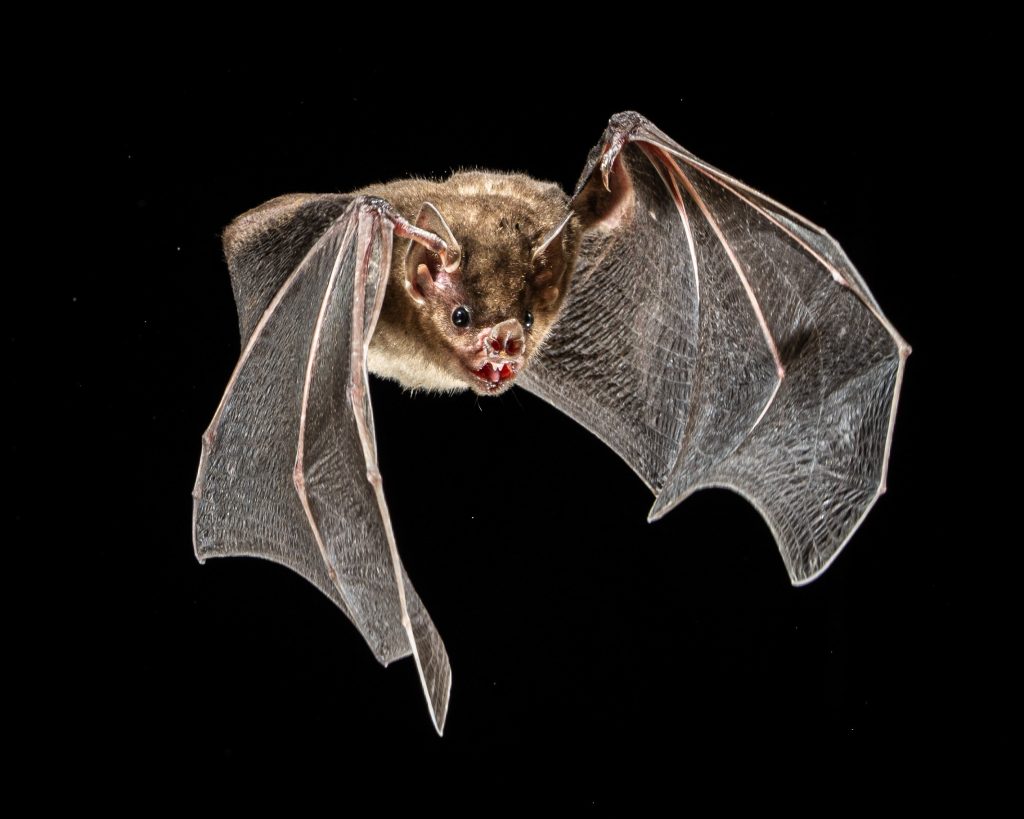
Honduran Yellow-shouldered Bat (S.hondurensis). Charles Hood.
Luis swapped our bus for a pick-up truck and we shuttled the few – very steep – kilometers up the mountain to Defensores de la Naturaleza’s research camp set in glorious cloud forest at 2,600 meters.
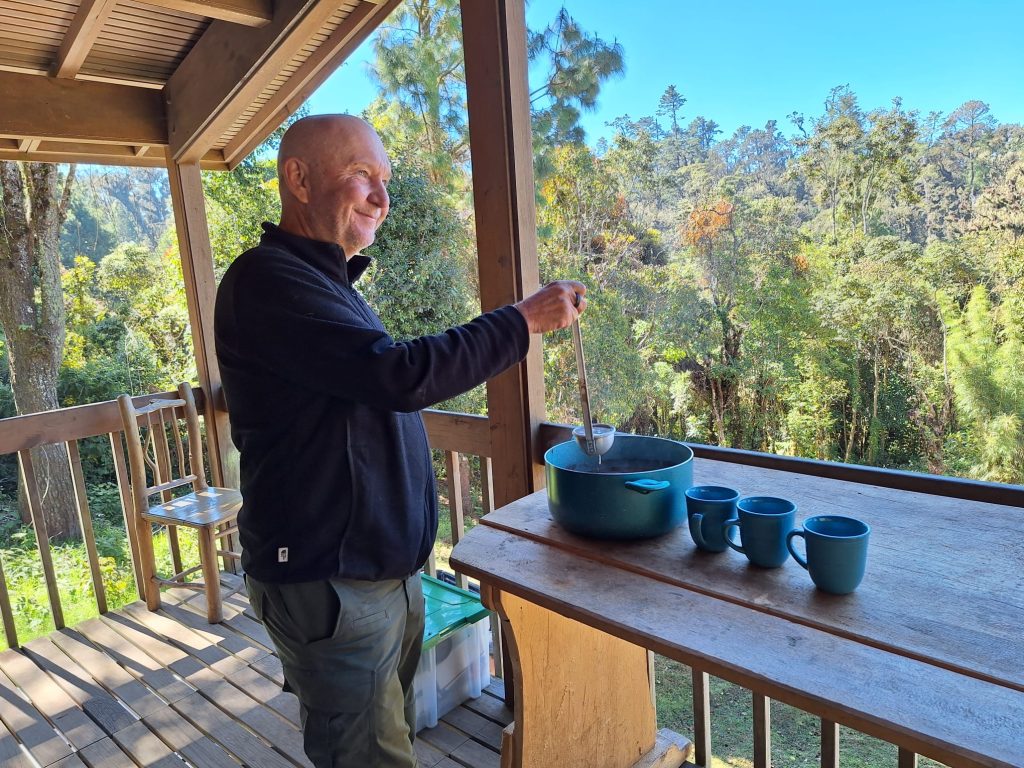
Hot Chocolate – 1: 0 – Showers
We arrived to sunshine, views and hot chocolate.
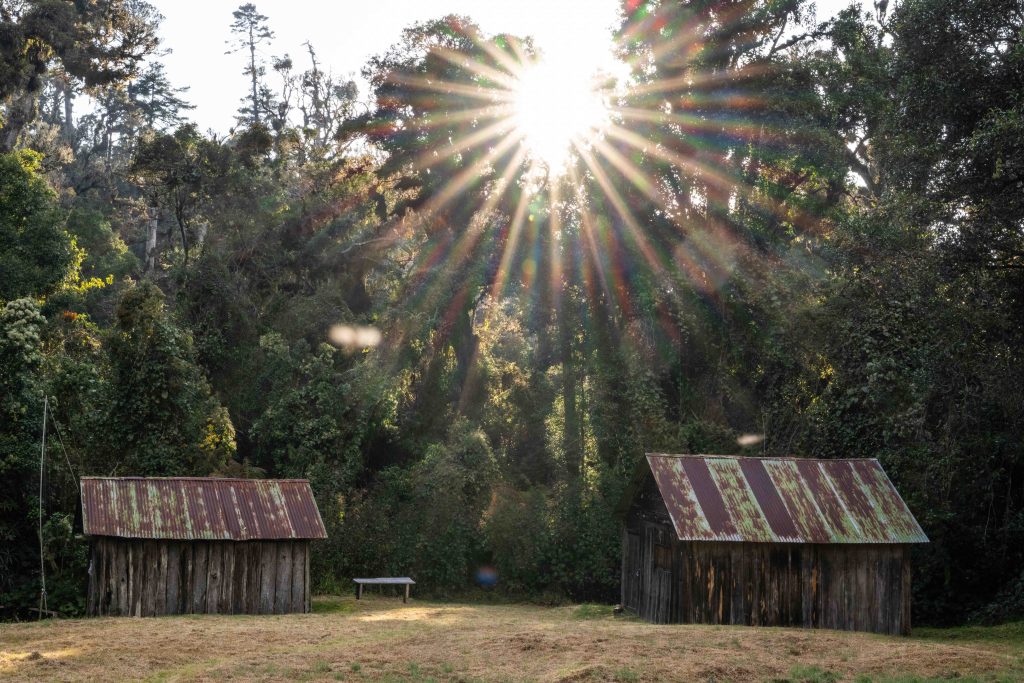
A rare photo of sunlight over the cabins at Sierra de las Minas. Photo Charles Hood.
The cabins are comfortable though there were some teething problems with the recently installed hot showers. Those teething problems were linked to the word ‘hot’. I rank cold showers just below eating fish on the list of travel experiences I try to avoid, but a few people braved them the day we arrived. Venkat managed to get almost 10 seconds of warm water.
The following morning was cold and wet, and the weather got progressively colder and wetter for the rest of our stay. In my view anyone deciding to take a cold shower now would do better reaching out to a mental health professional instead of the soap. So I was dirty and deeply envious of those who had read José’s instructions properly and packed warmer clothes. I was envious of everyone.
But the silver linings were the mammals and the food. The two chefs were culinary wizards! I’m pretty sure this was the best food I’ve ever had in a forest lodge anywhere.
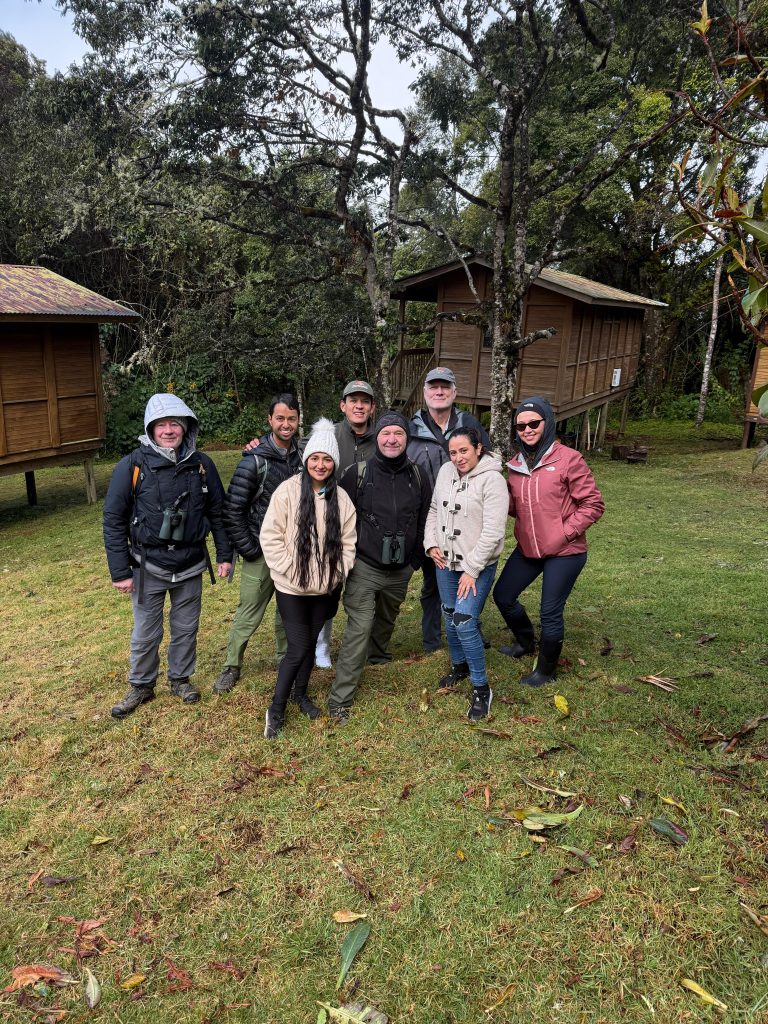
Top Chefs (front). Top Mammalwatchers (rear)
Trapping and netting the first – dry- night was superb. A ton of bats and at least 50% or more of the rodent traps had captures, mostly the very large – likely new – peromyscus species.
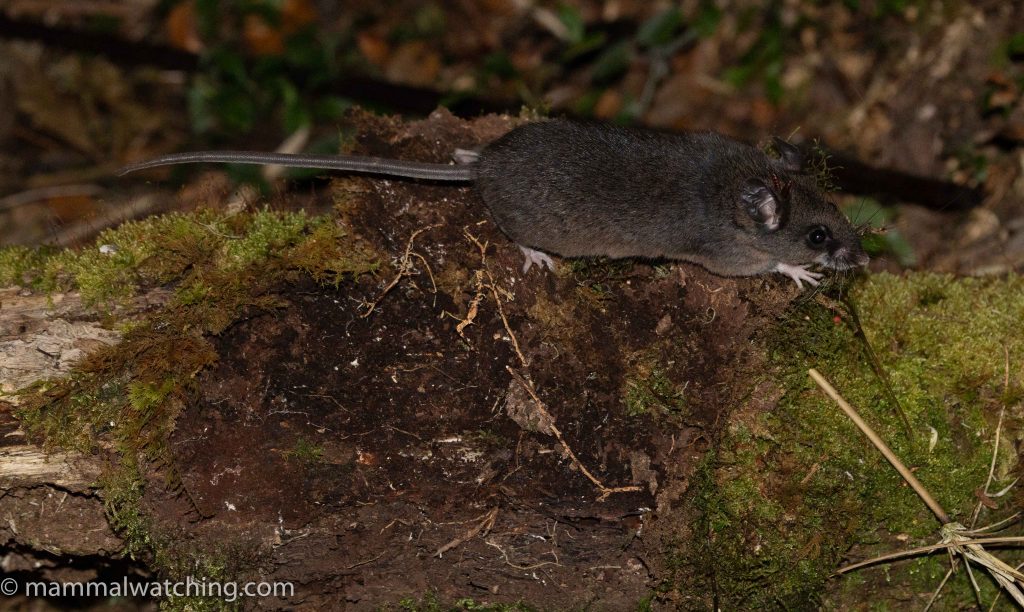
Undescribed large Deermouse (P. cf. grandis)
Lifers aside, a highlight of the evening was watching Mike and Venkat return to camp at midnight with 20 or so of Mike’s smaller rodent traps that all contained animals . The pair proudly announced they didn’t know what they had caught but they were “definitely” not the larger peromyscus, becasue “clearly” these traps were too small. We chuckled as we watched a massive deermouse emerge from the first trap. By the 20th trap I was crying. Never underestimate an animal’s ability to get into a unfeasibly small trap! So far as I know, no deermouse has ever sought treatment for claustrophobia.
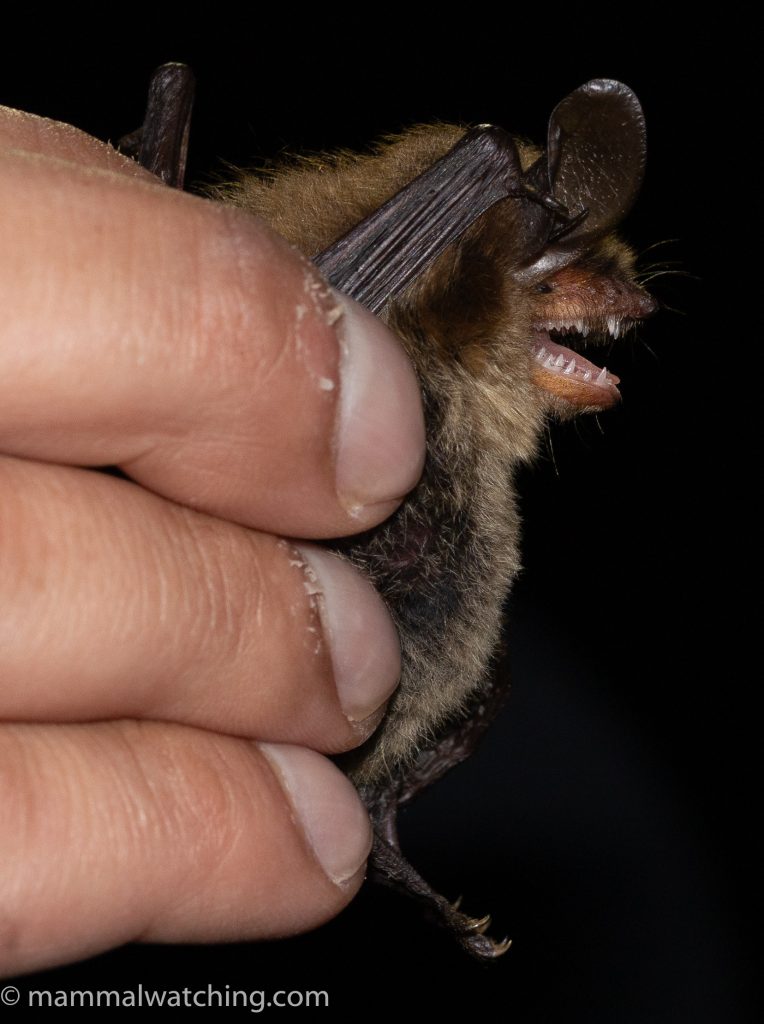
Southwestern Myotis (Myotis auriculus)
Once the rain started the batting dried up, but the trapping remained productive. Most of the trap effort was around the research station though one night we set traps an hour further up the mountain in a some swampy highland pine forest. We were trying to catch the voles that had been recorded up here many years ago (possibly Guatemalan Voles; possibly – like most stuff up here – a new species). We caught one but unfortunately it was D.O.A. The specimen will be taken to the museum to see if it is, indeed, a new species.
We caught more of the possible Desmarest’s Spiny Pocket Mouse; a new singing mouse species that is being described; and three harvest mice species: Southern, Small-toothed and Narrow-nosed. Our thermals found the latter during a brief walk on our first night, a walk which also produced a deceptively-strange looking Vesper Rat.
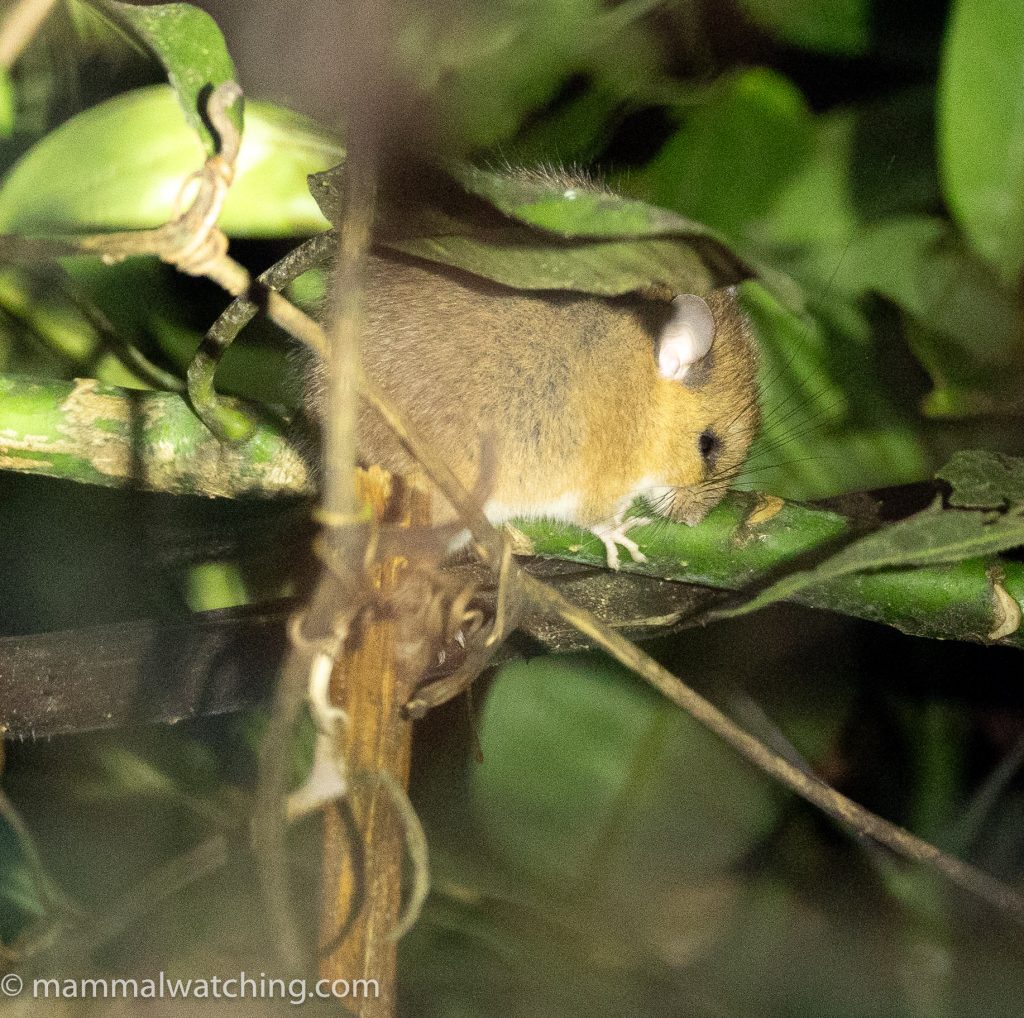
Sumichrast’s Vesper Rat (Nyctomys sumichrasti)
The lack of an obvious mask tempted us to think this was something other than a Vesper Rat, but Fiona Reid had no doubt.
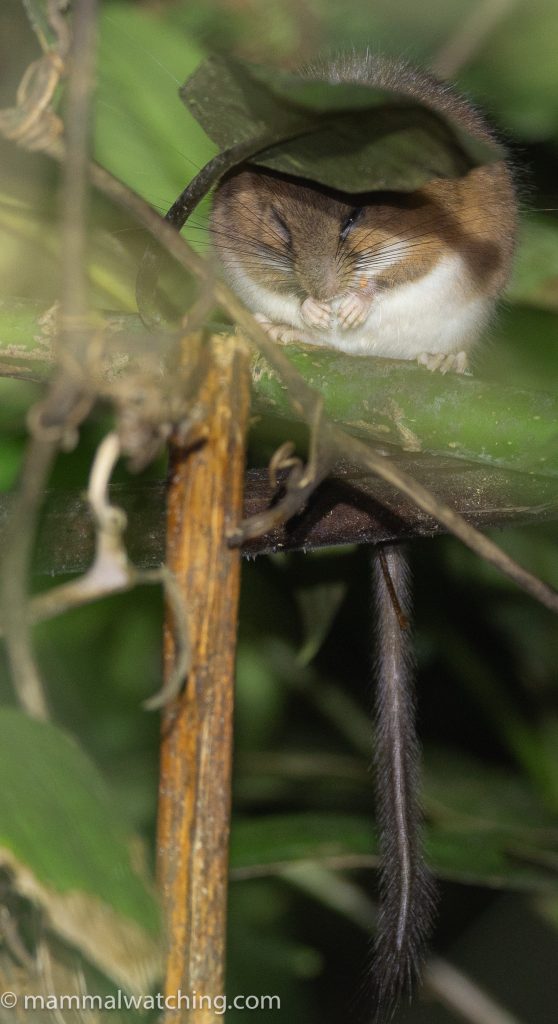
Sumichrast’s Vesper Rat (Nyctomys sumichrasti)
The rodent haul was completed with two rice rat species: Cloud Forest Rice Rats were quite common around camp and the traps higher up the mountain held one Highland Rice Rat. It was raining lifers.
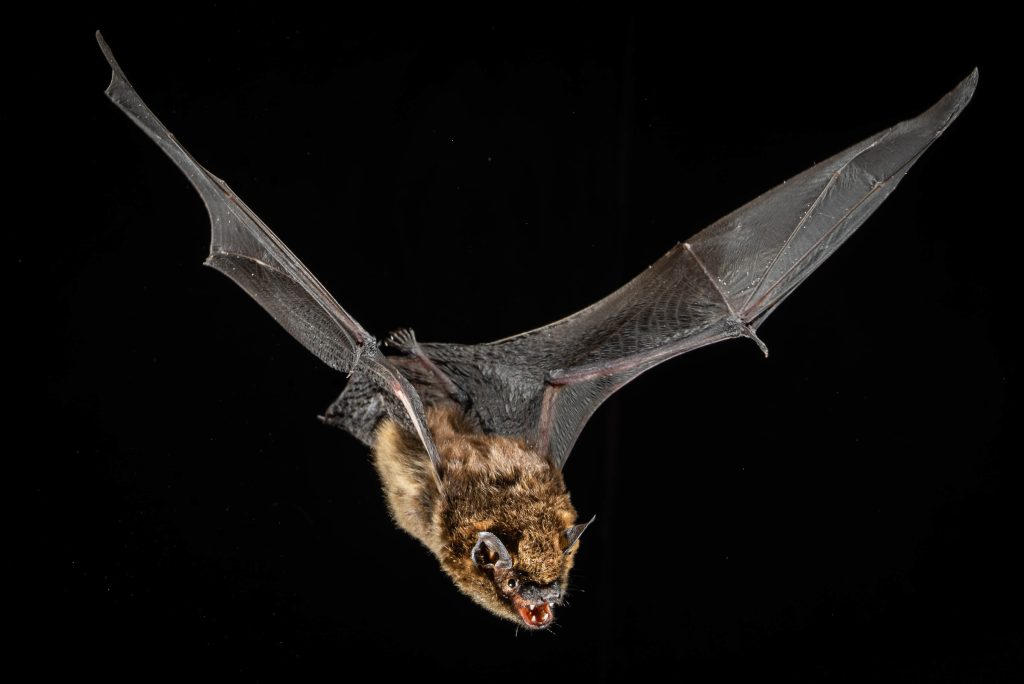
Central American Big Brown Bat (Eptesicus cf.fuscus). Photo Charles Hood.
The bat nets contained Honduran Yellow-shouldered Bats; Desert Red Bats (one of which looked different enough to make us think it might be something else); a Big Brown Bat (the Central American form of which is an imminent split) and three myotis species: Southwestern, Long-legged and what appears to be a new species of myotis that Luis is planning to describe.
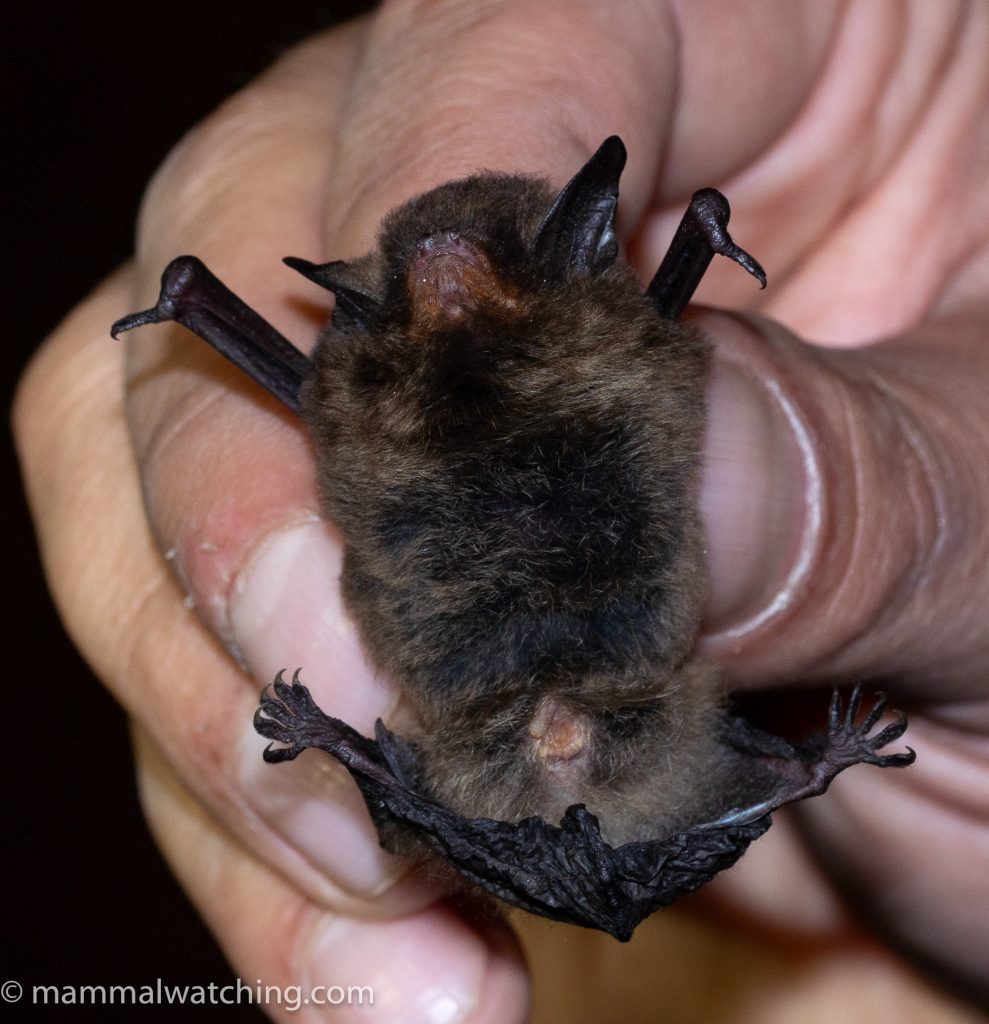
Likely an undescribed myotis species (Myotis cf. volans)
These bats looked fairly similar to Myotis volans, but were smaller than the typical volans and had salmon pink facial skin.
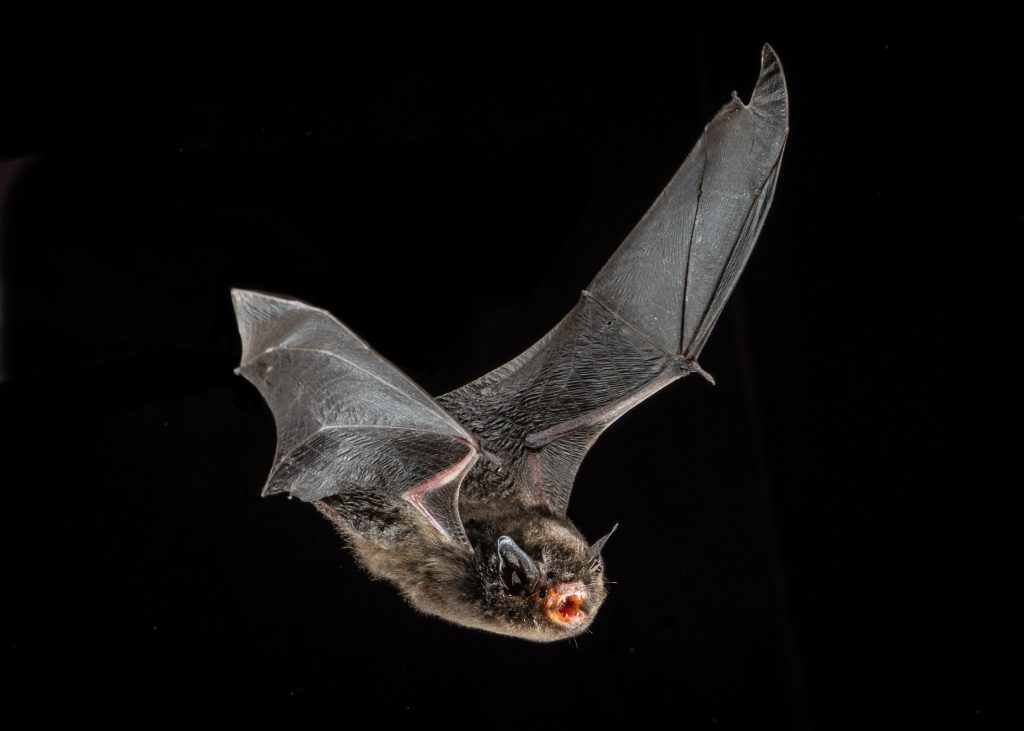
Likely an undescribed myotis species (Myotis cf. volans). Charles Hood.
But arguably the most interesting mammals up here are the howler monkeys, because they too seem set to be described as a new species! This is simply extraordinary in Central America, which has been so well studied. It demonstrates – yet again – how much we have left to discover about the world’s mammals.
Access to Sierra de las Minas has been difficult until recently which helps explain how the monkeys have remained hidden. The animals up here live a thousand meters higher than the other howlers in Guatemala. And they are notably woolier. Luis and José believe the DNA is conclusive but need to do more work before they can describe the species.
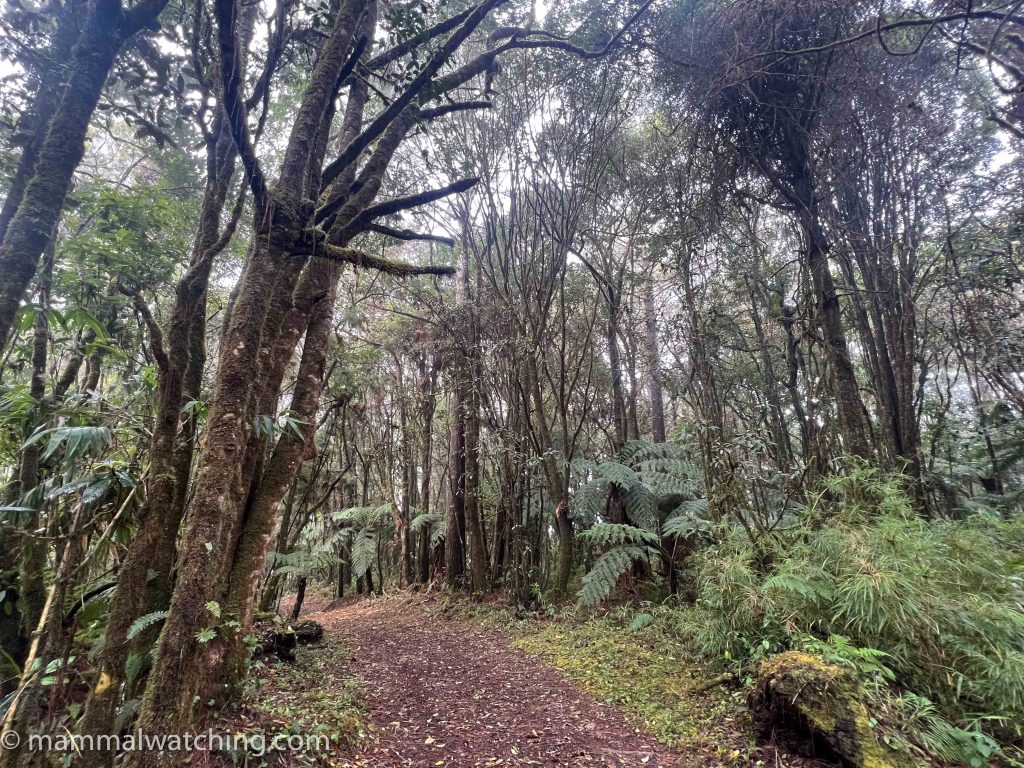
We heard the howlers howling as soon as we arrived but were advised not to worry as we would ‘definitely’ see them later: several troops hung around the station.
I’ve lost track of how many times I’ve been giving that advice and foolishly followed it. Luis’s optimism hadn’t factored in the imminent rain, during which the monkeys were much less vocal. By the second day I was kicking myself for not making an effort when we arrived. By the last afternoon as I was as anxious as my kids when they discover the WiFi is down.
It is always darkest before the dawn. The torrential rain eased to a heavy downpour and we heard the howlers. Luis T sprinted into the forest, returning 5 minutes later to say he’d found one. We charged down the muddy trail following Luis who – in his excitement – realized he couldn’t remember the precise tree he’d seen the animal in. Five anxious minutes later Ian saved the day, spotting an animal much closer to the trail than any of us had expected.
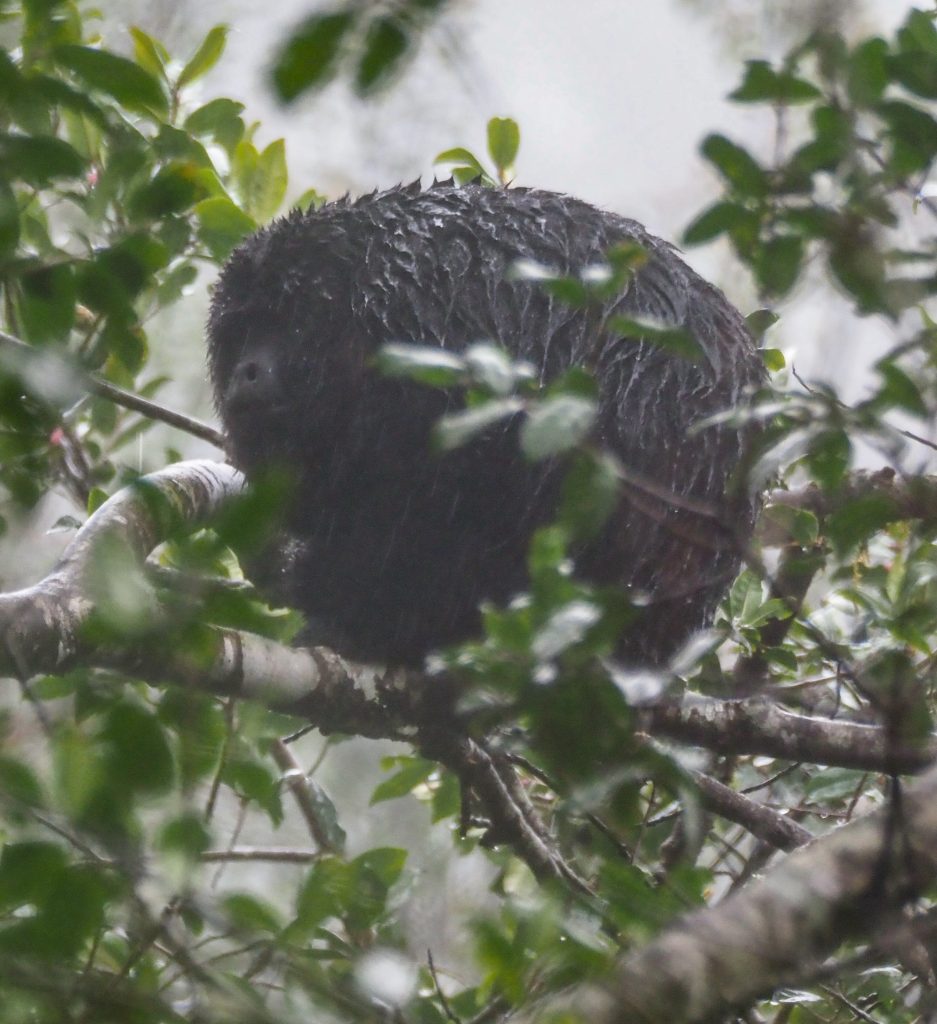
‘Montane’ Central American Howler, Alouatta cf. pigra. Photo Venkat Sankar.
Only Venkat was willing to bring his camera out in the rain but – despite the challenging conditions – he managed to get a few photos of this bedraggled monkey. Describing a new primate is a rigourous and lengthy process. But primate watchers wanting to get ahead of the game might consider a weekend here.
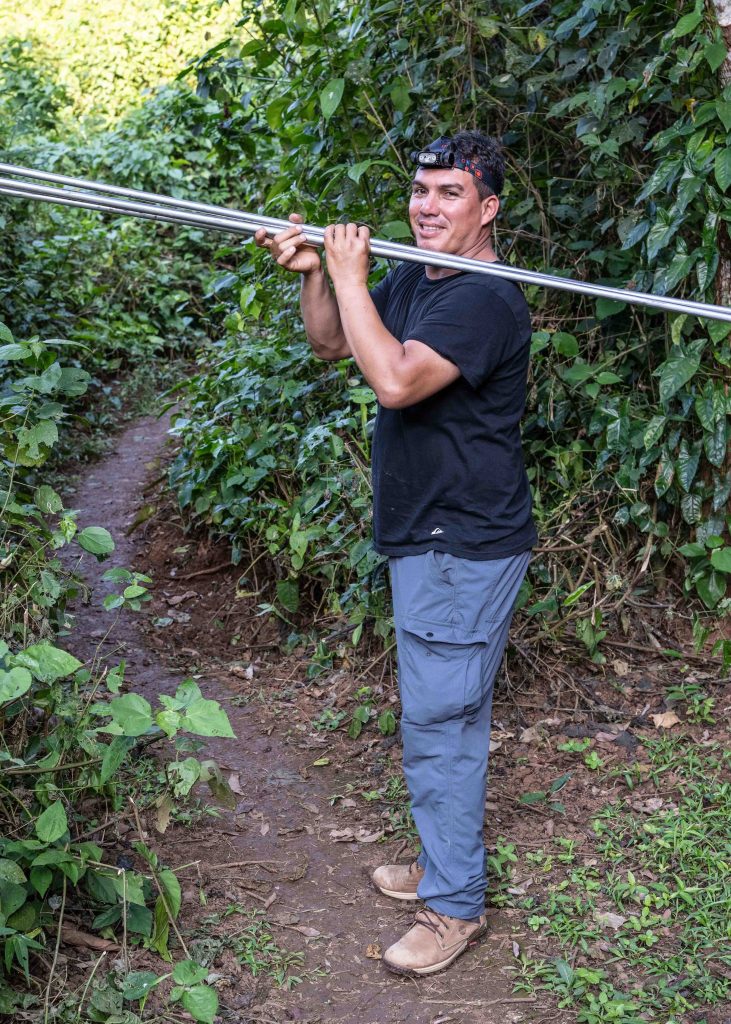
Luis Enriquez on the way to set bat nets. Photo Charles Hood.
Reserva Natural Helioderma
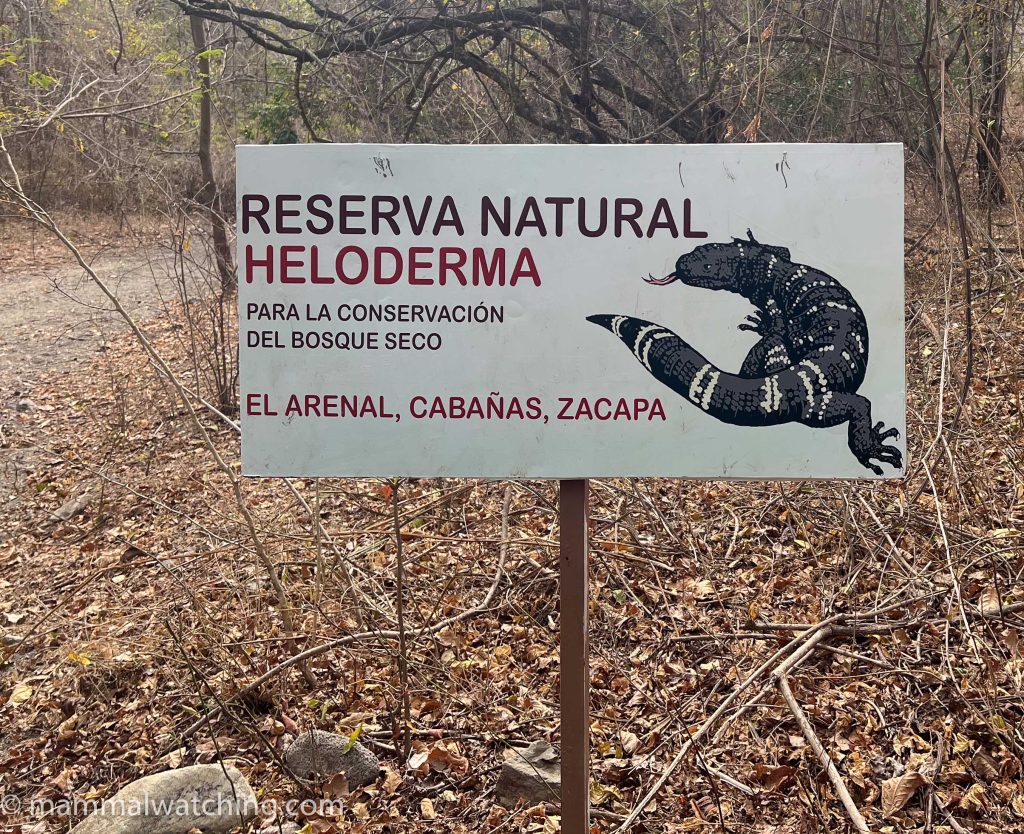
José wanted stay at this small reserve for a night to break the journey to Selempin. The park is home to both captive and free ranging Beaded Lizards, a relative of the Gila Monster.
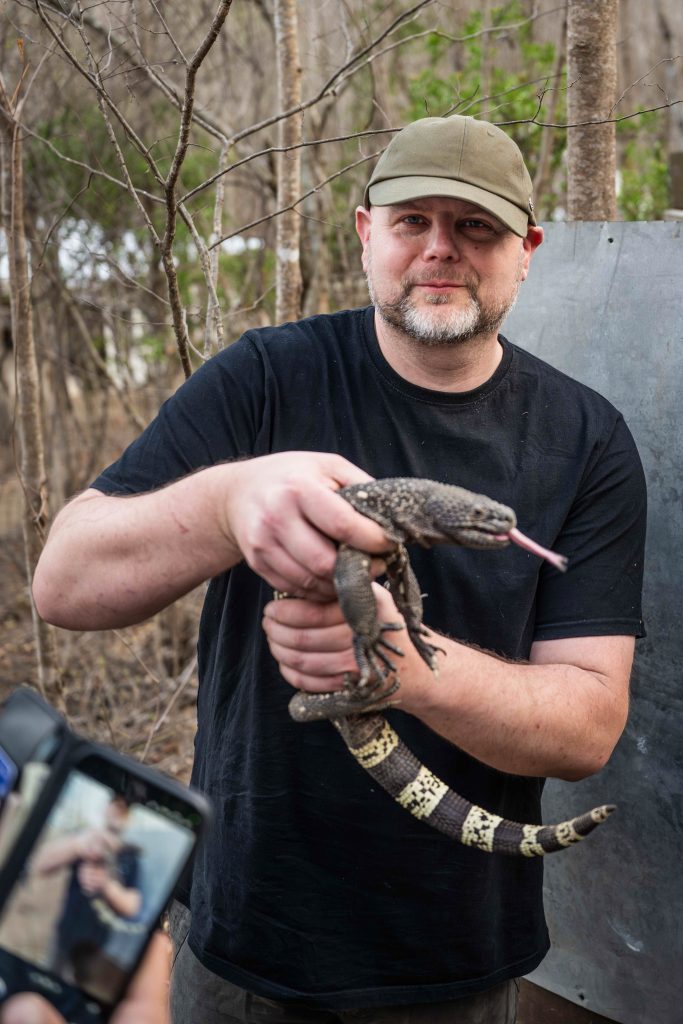
Mike, missing his dog, finds a surrogate pet. Photo Charles Hood.
The dry forest was quiet. Despite wandering around with thermal scopes for a couple of hours the only mammals we saw were Eastern Cottontails near the accommodation and a single rodent high in a tree which we saw well enough to decide must have been a Stirton’s Deermouse.
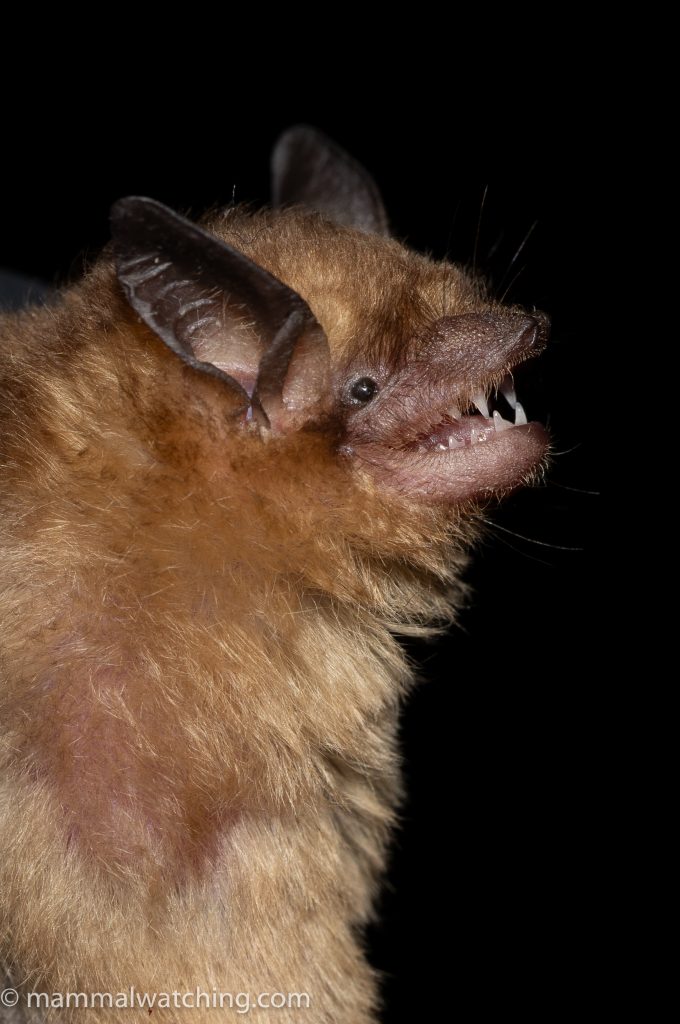
Menchu’s Yellow Bat (Rhogeessa menchuae)
The batting was better: José was excited to capture several of the rare Menchu’s Yellow Bat, a lifer for all of us, along with some Intermediate and Jamaican Fruit-eating Bats. We caught just one Salvin’s Spiny Pocket Mouse overnight.
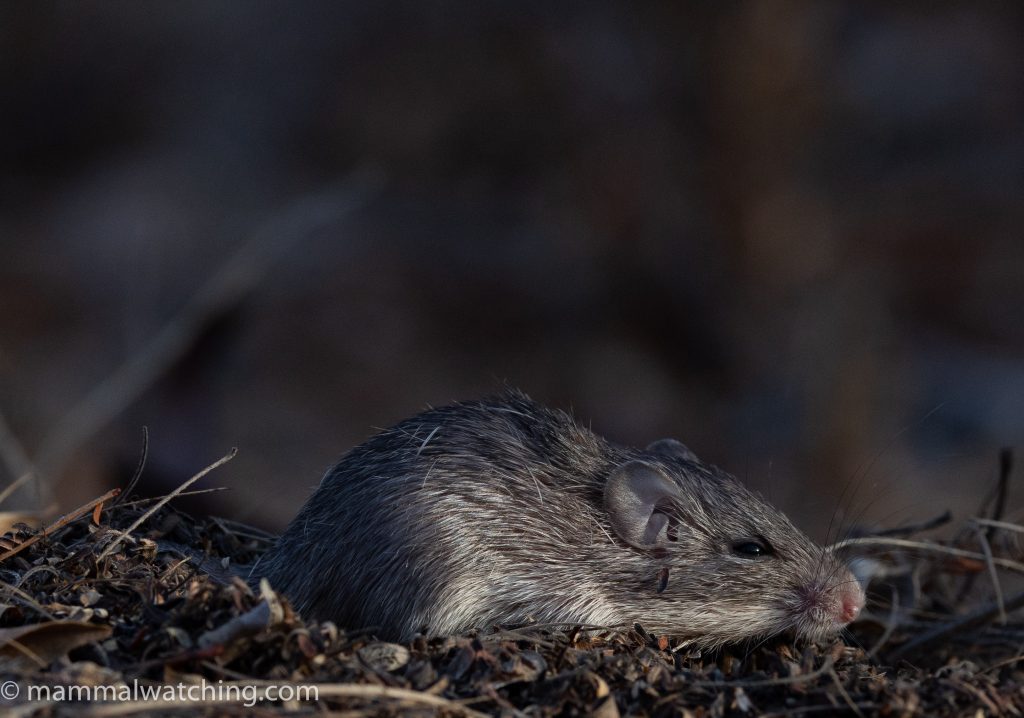
Salvin’s Spiny Pocket Mouse (Heteromys salvini)
Selempin Nature Reserve & Lago de Izabal
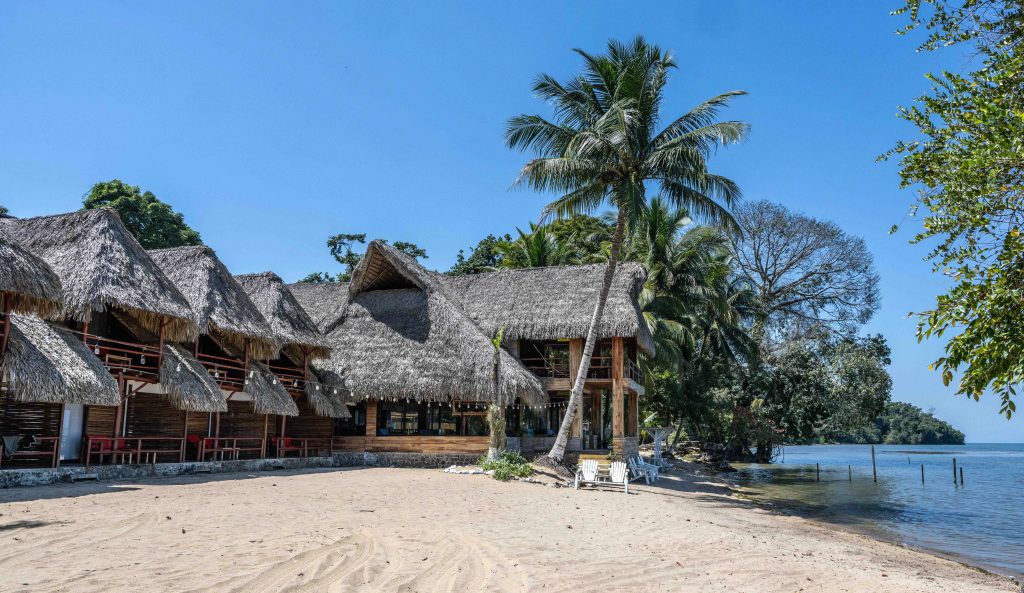
Photo Charles Hood.
José learned at midnight that the road into the hotel he had booked was blocked. After what I imagine was a stressful few minutes he found an alternative. And what an alternative it was, on the shores of Lake Izabal complete with cold beer and hot showers. It was our base for two nights though we didn’t get sufficient time to enjoy the hotel. Actually we didn’t get any time at all because José had us catching bats in the lowland jungle of the Selempin Nature Reserve both afternoons and evenings … plus he threw in an dawn boat trip just in case anyone might start to feel like they were on a vacation.
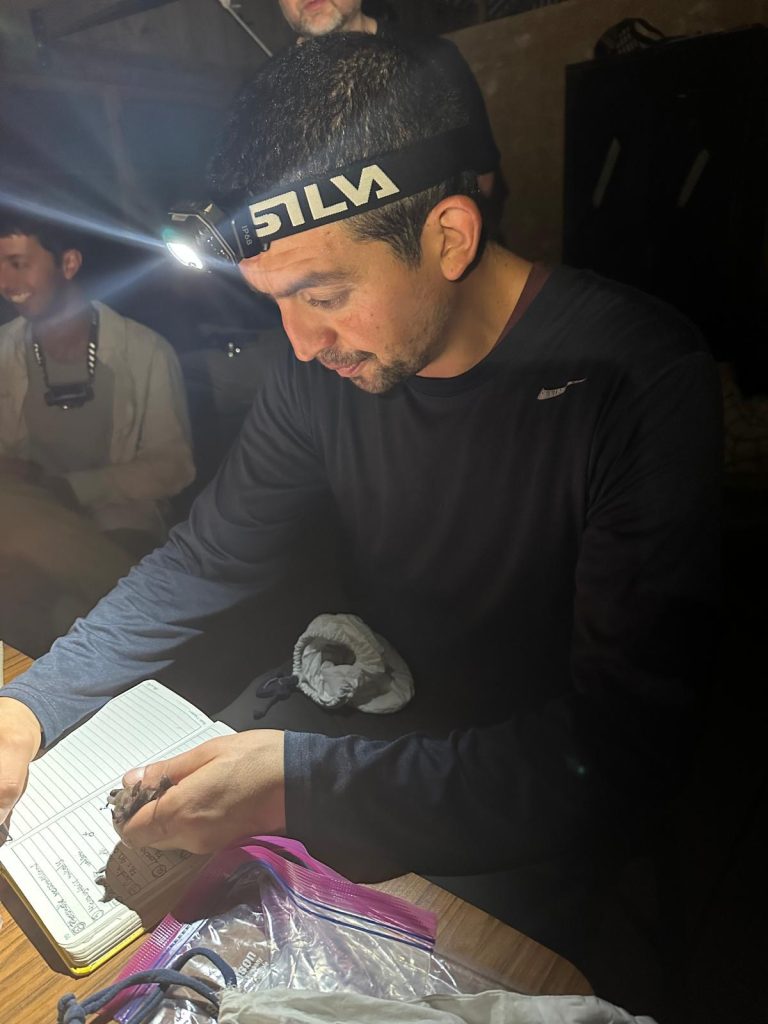
Luis Trujilo processing bats.
José and Luis had high hopes for some great bats here including Wrinkle-faced Bat, one of Venkat and my most wanted species and my biggest nemesis. I’ve lost count of how many times I’ve tried to catch this in places where ‘we nearly always catch them’. It was foolish to imagine Selempin would be any different… Please slap me if I ever express optimism about catching this bat again.
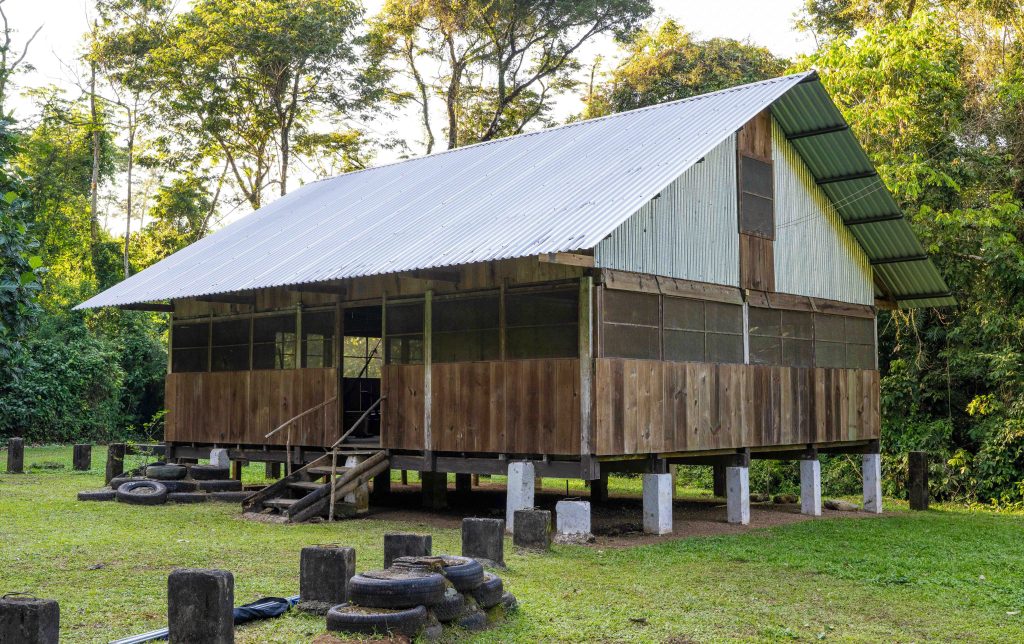
Selempin Basecamp. Photo Charles Hood.
Still, even without the Centurio, the batting was very good, particularly on our first night.
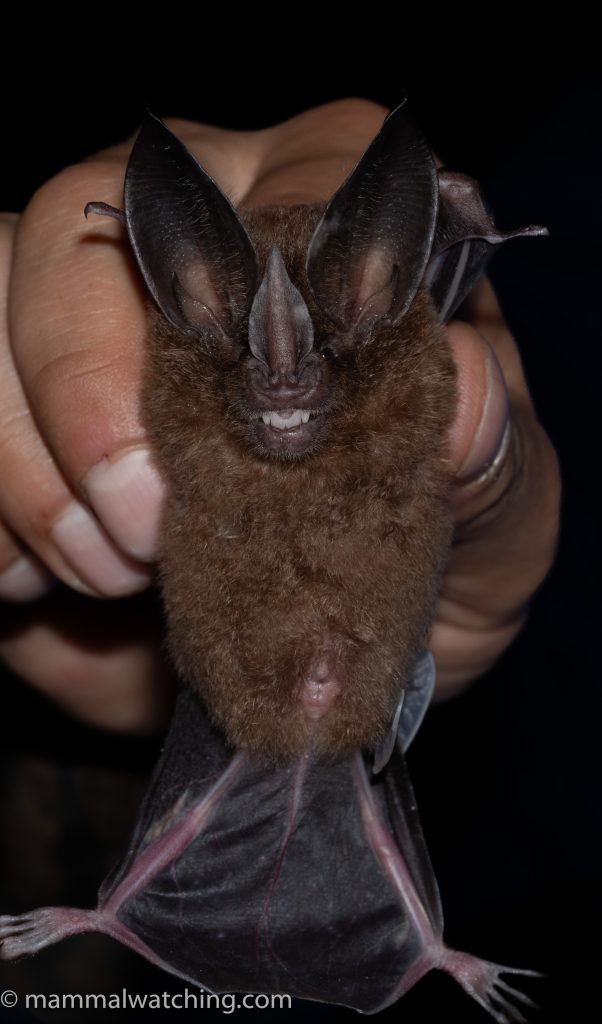
Cozumelan Golden Bat (Mimon cozumelae)
During the two nights we caught 13 species, 12 of which were phyllostomids. Mesoamerican Common Mustached Bat; Seba’s and Sowell’s Short-tailed Bats; Commissari’s Long-tongued Bat; Common Big-eared Bat; Heller’s Broad-nosed Bat; Northern Stripe-headed Round-eared Bat; and both Pygmy and Thomas’s Fruit-eating Bats.
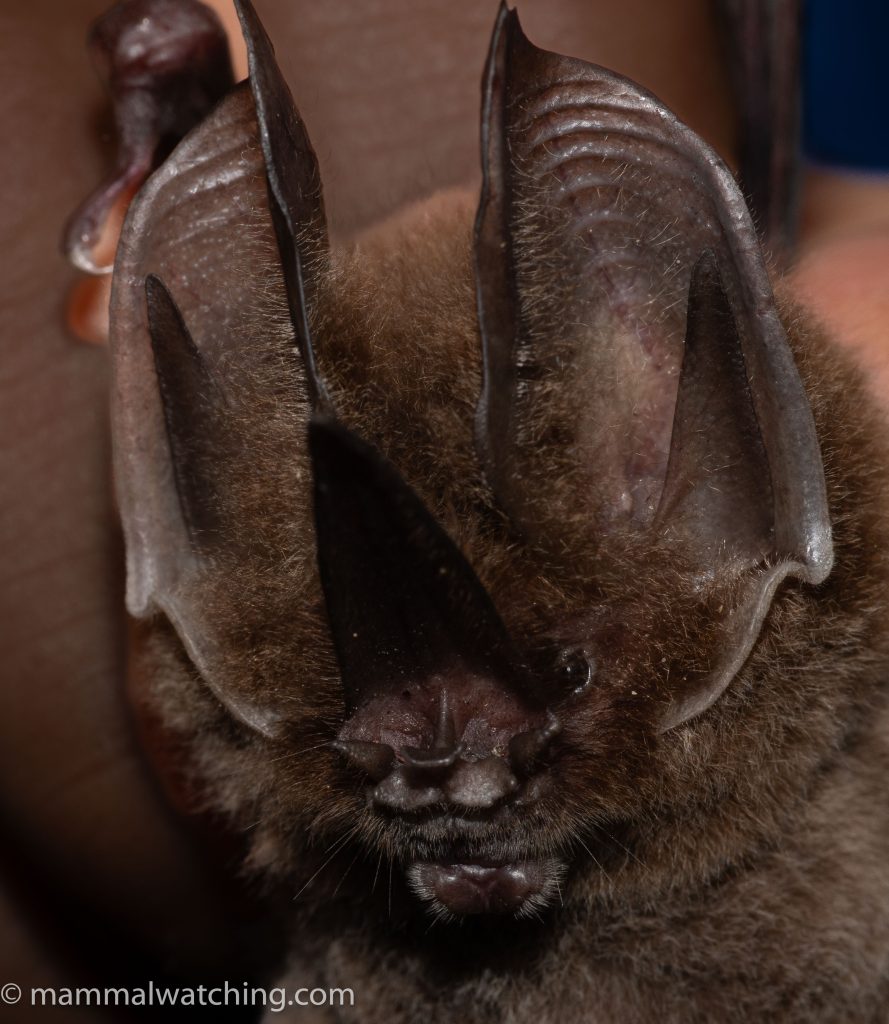
Common Sword-nosed Bat (Lonchorhina aurita)
The most exciting species – in my opinion – were a Central American Fringe-lipped (or Frog-eating) Bat; a gorgeous Cozumelan Golden Bat; a rare Common Sword-nosed Bat; and my first Keenan’s Hairy-nosed Bat.
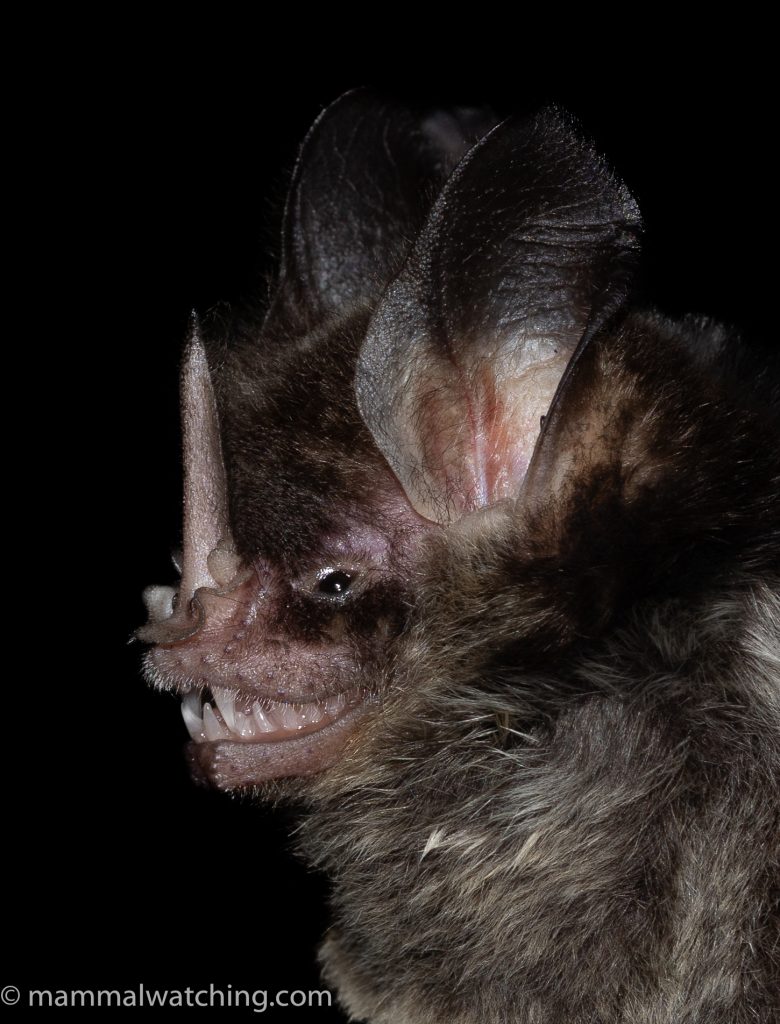
Keenan’s Hairy-nosed Bat (Gardnerycteris keenani)
Jon Swenson’s detector identified – reliably we think – another three species overhead: Greater and Lesser Sac-winged Bats and Northern Black Mastiff Bat.
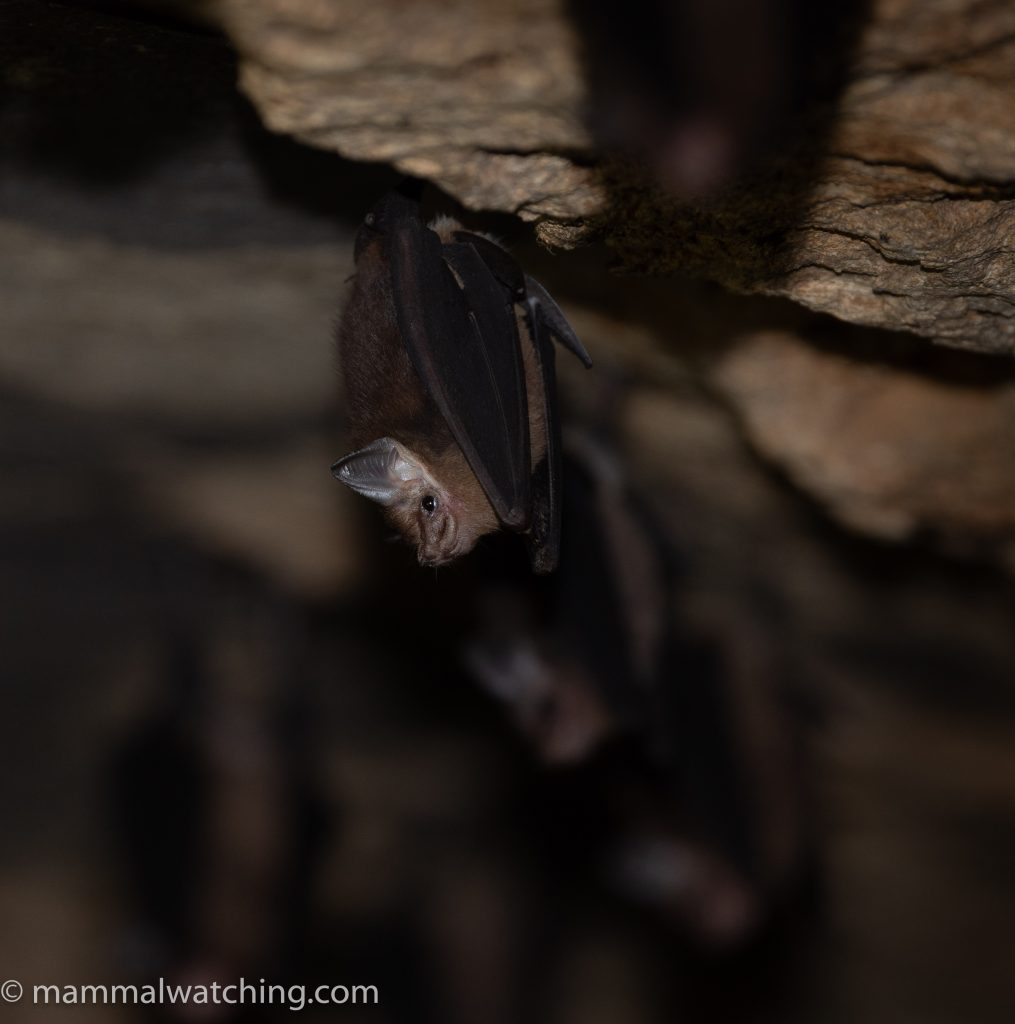
Thomas’s Sac-winged Bat (Balantiopteryx io)
A small cave on the reserve held a colony of Thomas’s Sac-winged Bats.
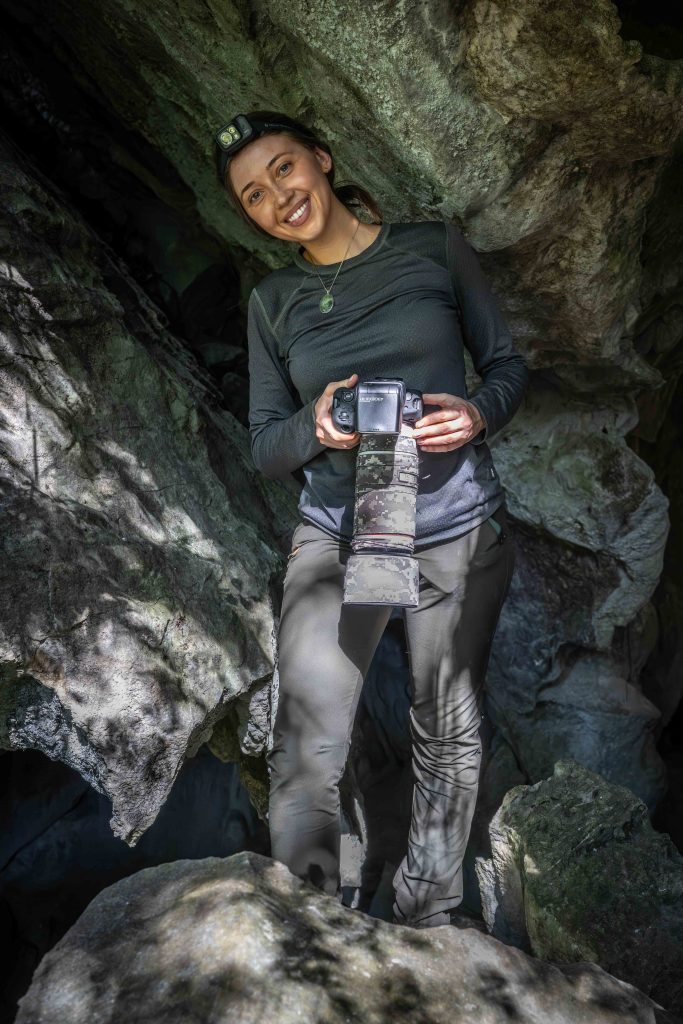
Emma auditions for the Tomb Raider sequel. Photo Charles Hood.
The only other mammals were a Northern Four-eyed Opossum, and a single Vesper Rat in the traps.
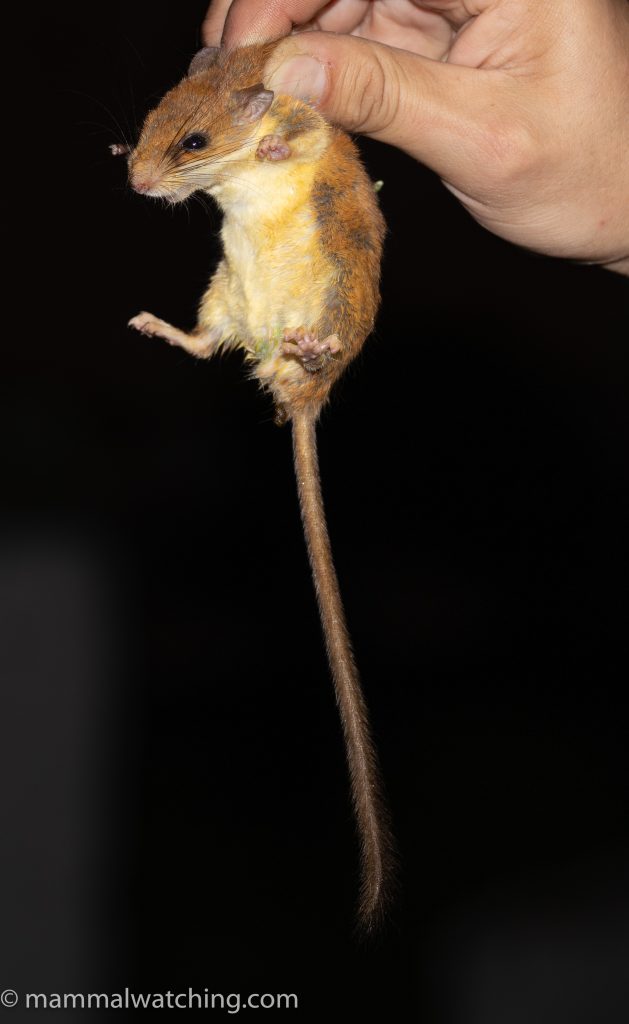
Sumichrast’s Vesper Rat (Nyctomys sumichrasti)
Driving back to the hotel we spotted one or two Common Opossums in the palm oil plantations which surround the reserve.
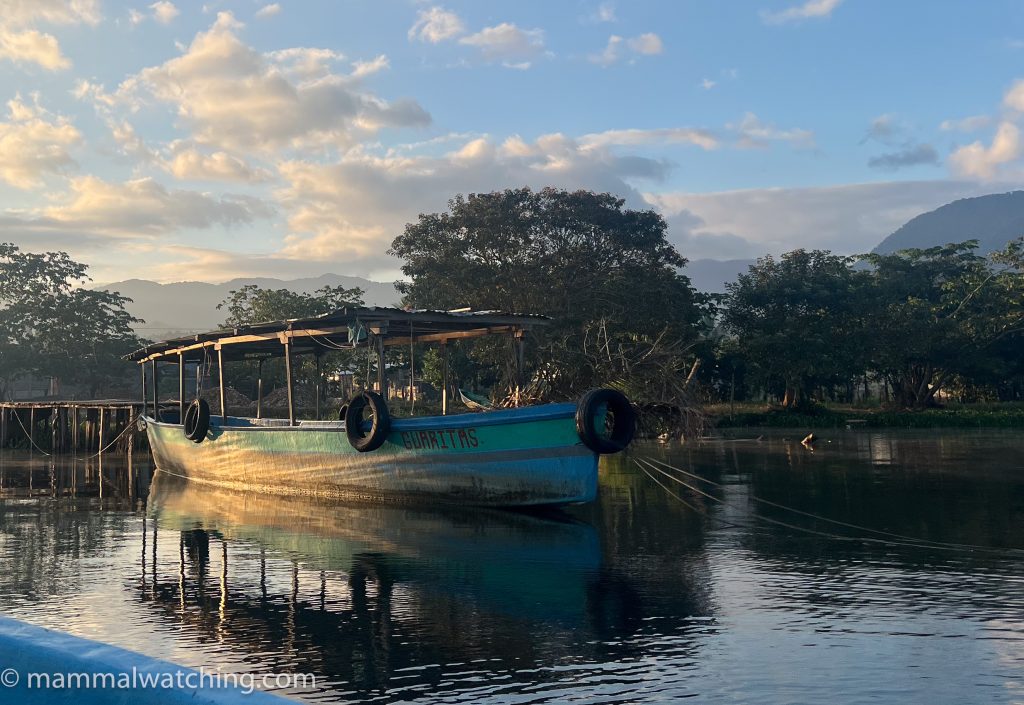
Early in the morning we took a small boat out on Lago de Izabal (launching from this spot) and cruised the lake and surrounding rivers in search of Manatees and Central American River Otters (a recent and annoying split that means I no longer have all the otters on my life list).
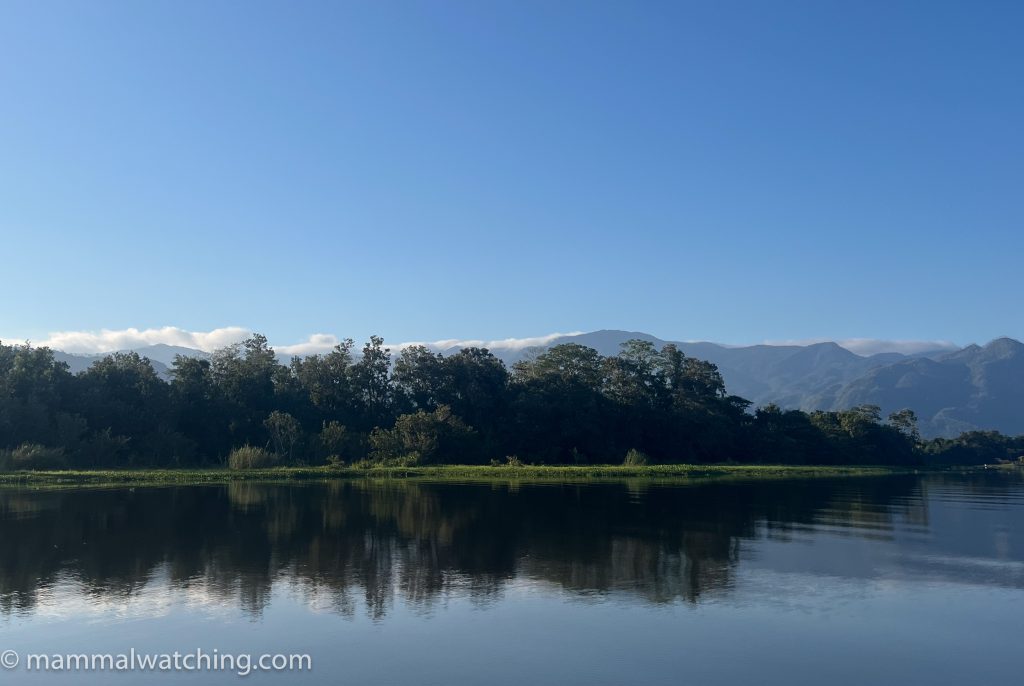
The lake can be good for the otters but we weren’t lucky, though we did see a couple of manatees break the surface along with plenty of Central American Black Howlers.
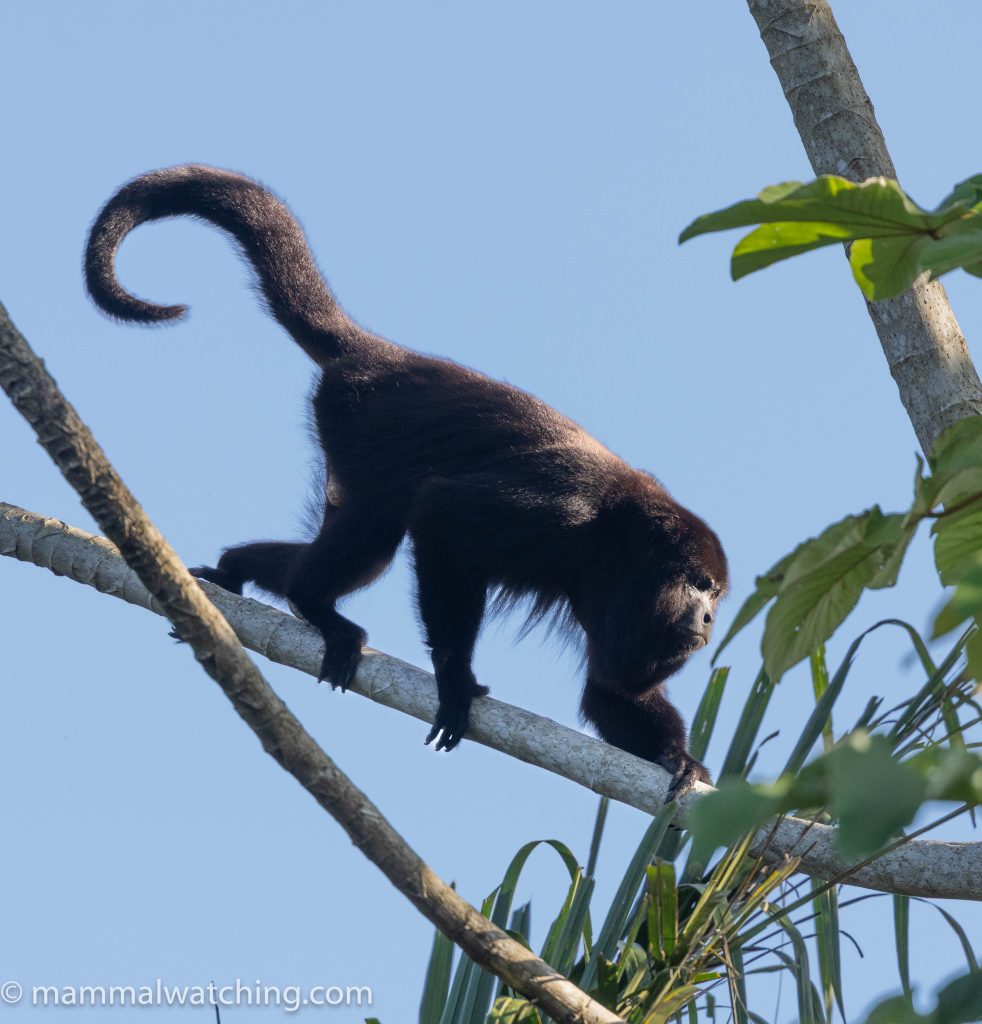
Central American Black Howler (Alouatta pigra)
Reserva Natural Ranchitos del Quetzal
After saying goodbye to Charles and Venkat, we continued north towards Cuchumantes. Today was a very long travel day and we had decided to break the journey in this small ecolodge set in rainforest at around 1600m. Just as well because the 6 hour drive turned into 12.
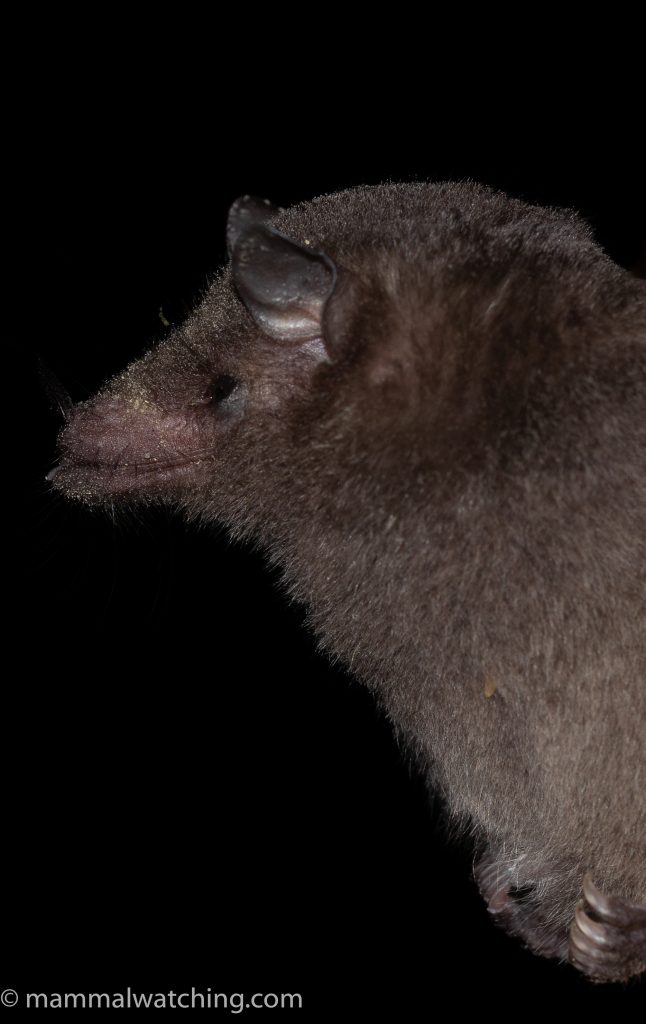
Tschudi’s Tailless Bat (Anoura peruana)
We arrived on dusk and too late tot set traps. But José and the two Luises put up bats nets and caught a surprising number of bats: Mesoamerican Common Mustached Bat; Tschudi’s Tailless Bat; Toltec Fruit-eating Bat; Honduran Yellow-shouldered Bat; and Northern Hairy-legged Myotis. But the best bat was caught by hand! Luis T grabbed a Northern Yellow Bat after it made the mistake of landing in the palm fronds of the roof we were sitting under. A lifer for me.
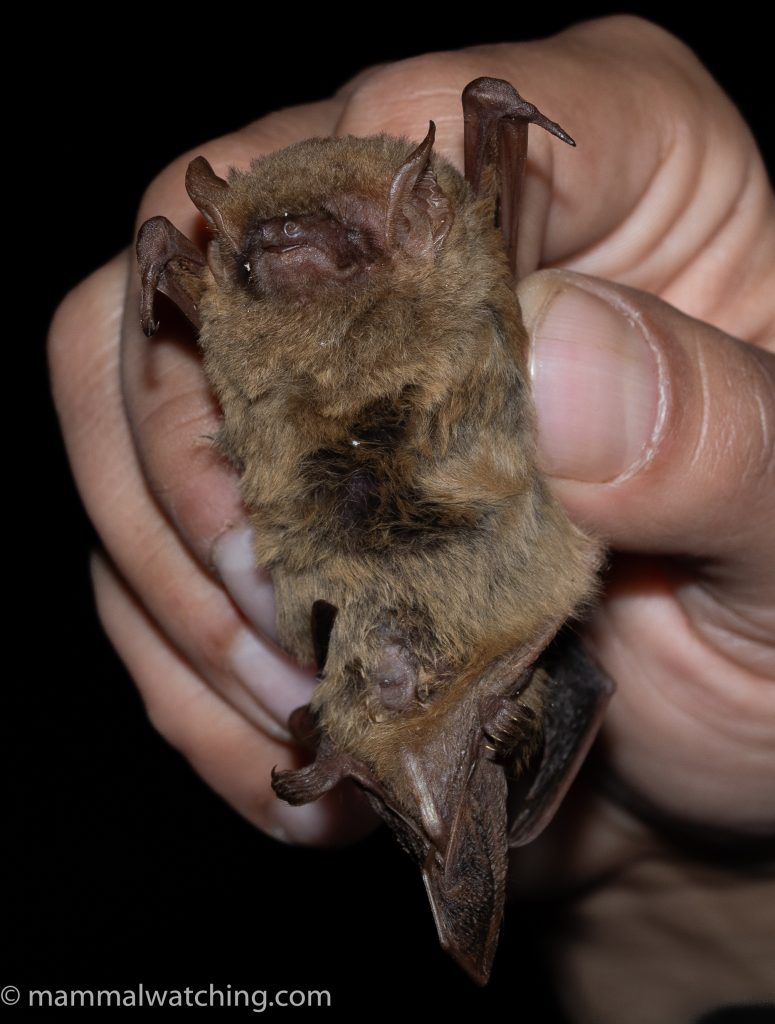
Northern Yellow Bat (Lasiurus intermedius)
We walked the network of trails around the lodge after dinner in search of Cacomistles. José heard one but we couldn’t spot it, until Emma – despite being the only member of the group without a thermal scope – got onto it. A great piece of spotting which helped redeem Emma’s standing in my eyes following what is now known as Herpergate, after she was caught – Siren-voiced – luring others to go in search of reptiles not mammals at Selempin. Shameless!
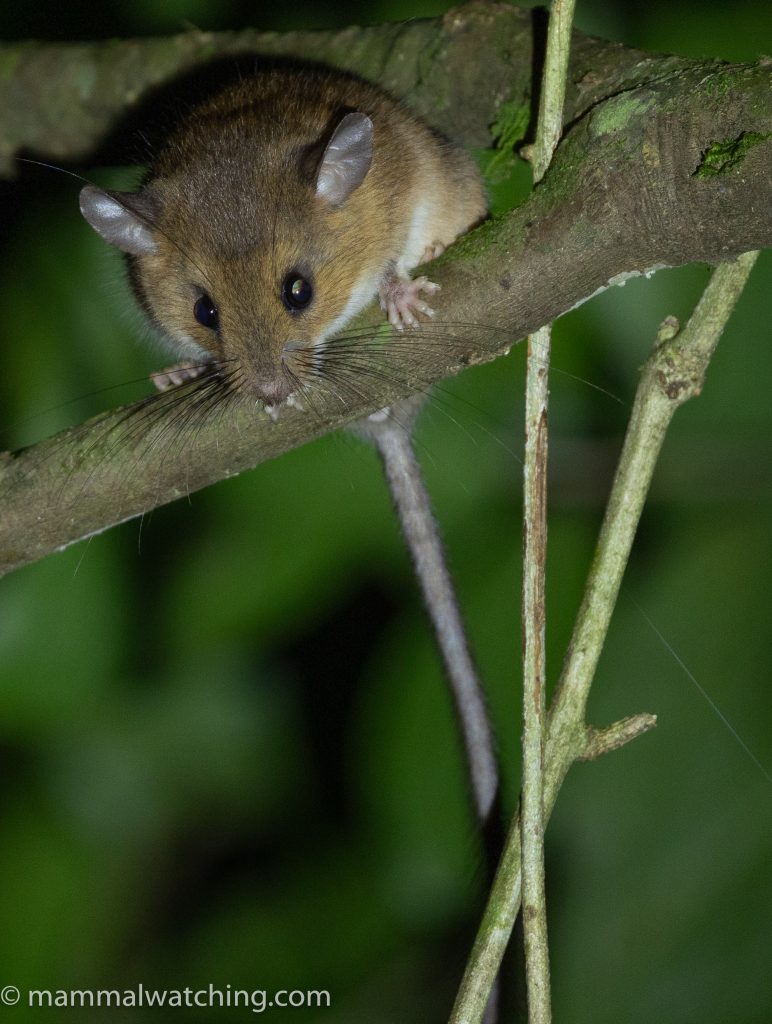
Is this a Sumichrast’s Vesper Rat (Nyctomys sumichrasti)?
We also saw another strange looking Vesper Rat here that didn’t match anything else known from the area but nor did it look much like a Vesper Rat.
And here is its tail.
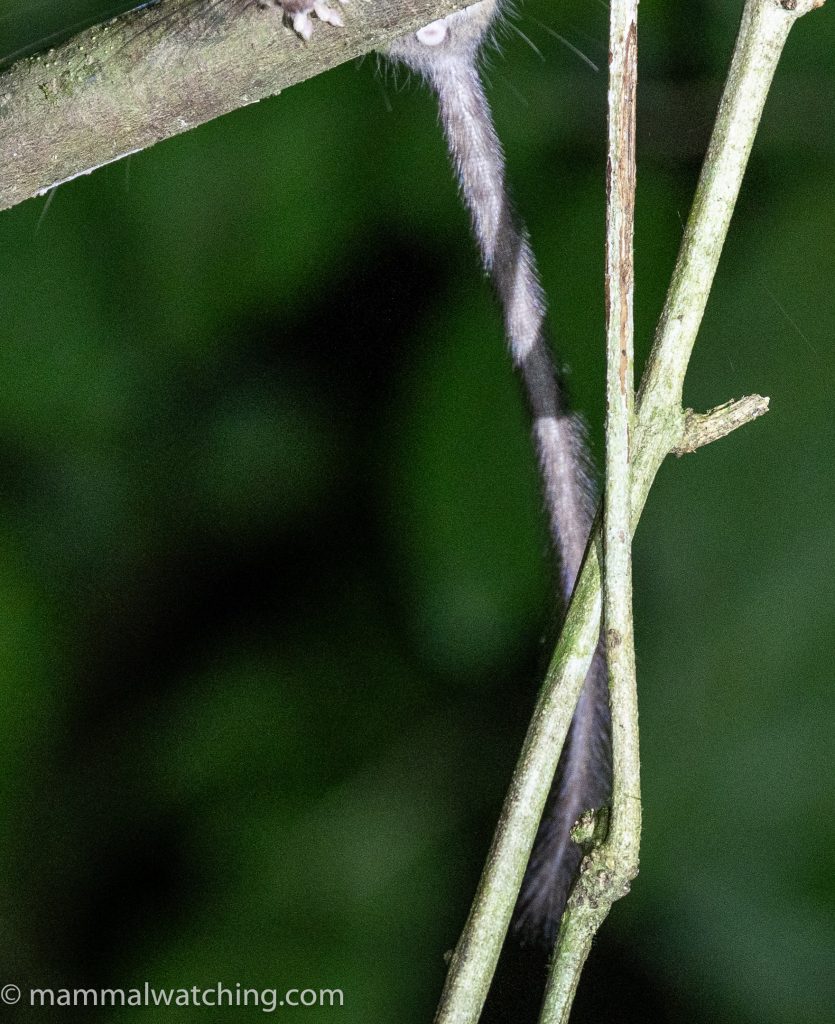
Is this a Sumichrast’s Vesper Rat’s tail (Nyctomys sumichrasti)?
All thoughts welcome.
Sierra de los Cuchumatanes
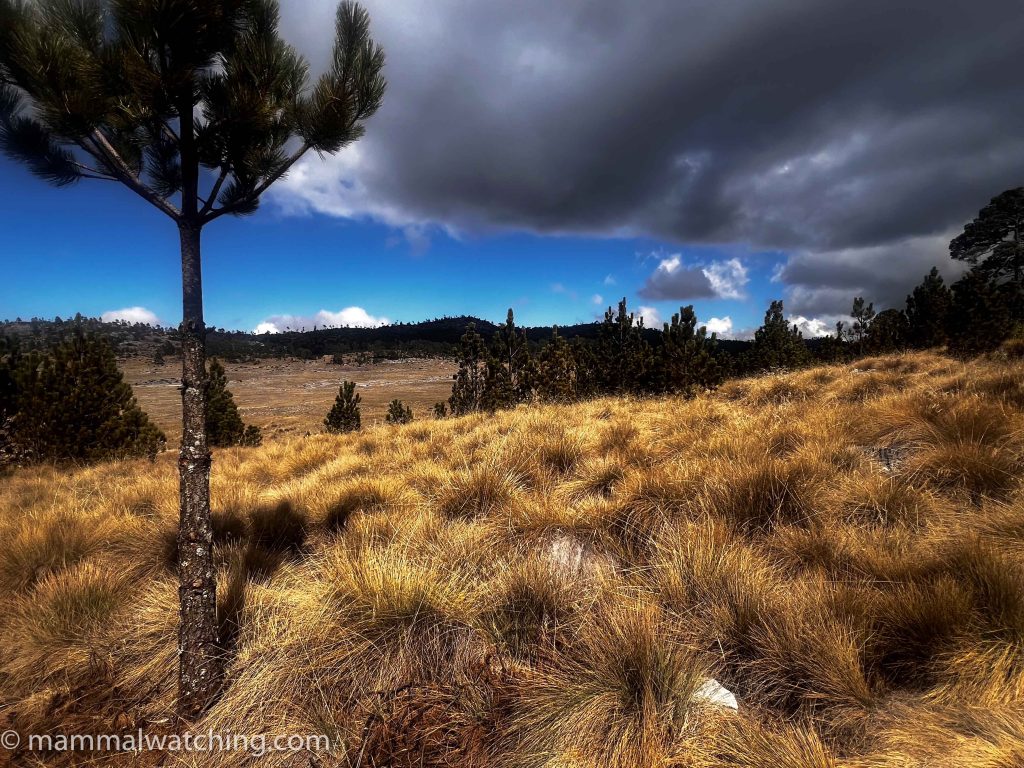
The trip ended with three nights in the mountains near the Mexican border, based in the mountain town of Todos Santos Cuchumatan. The area is largely managed by different Indigenous communities and Luis T had worked hard to get permission for us to net and trap in three areas.
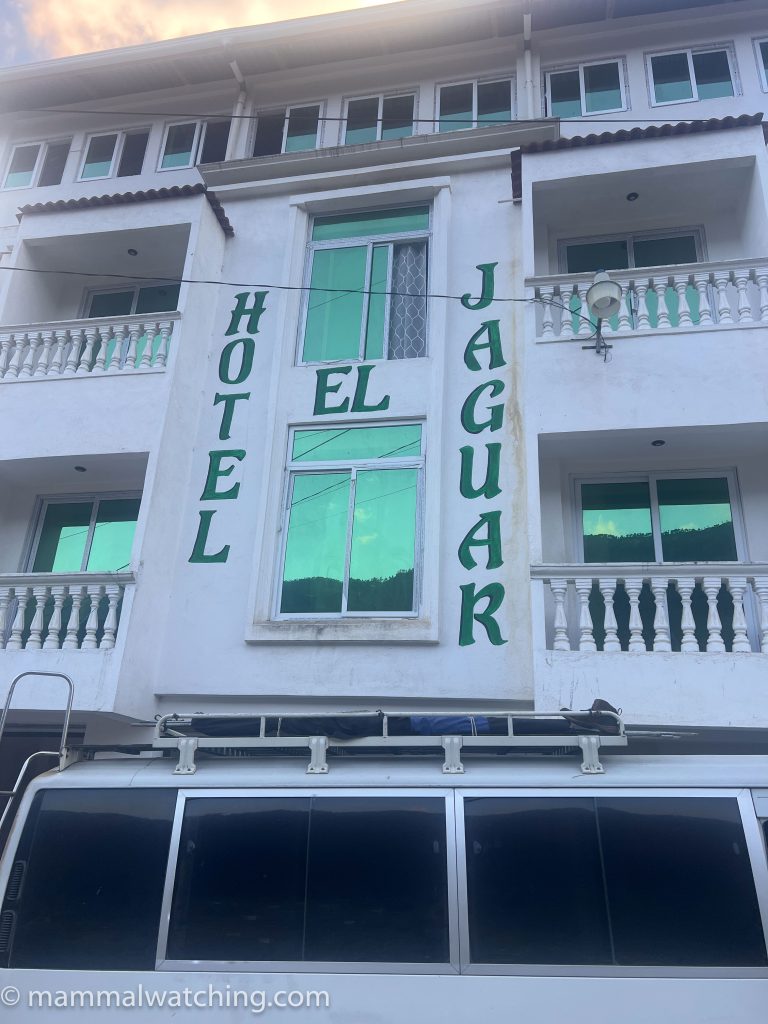
We stayed at the Hotel El Jaguar. It came with hot showers and no heating. Though a lack of hot water meant the hotel’s boiler was unable to deal with more than one shower every three hours. Occasional messages poppined onto our WhatsApp group along the lines of “rumours of hot water in room 10”. These triggered stampedes with levels of energy, optimism and ultimate disappointment not seen since the California Gold Rush.
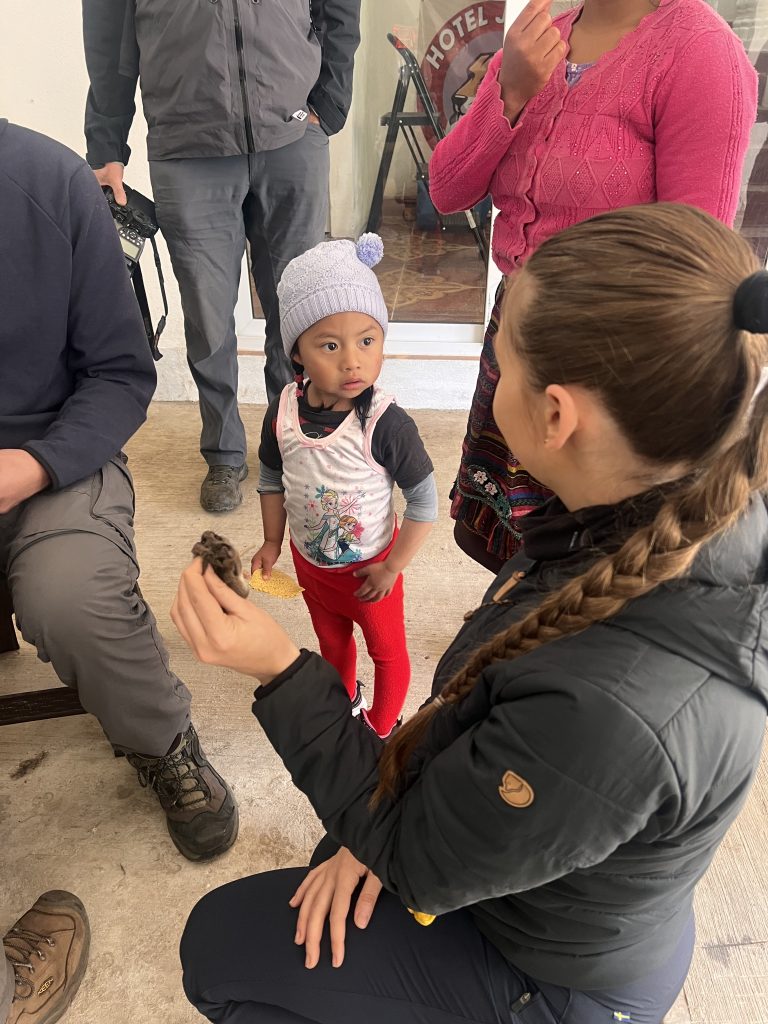
We set traps around town the night we arrived and caught both Gardner’s and Guatemalan Deer Mice. And we saw a well-hidden Red-bellied Squirrel while we were releasing those mice.
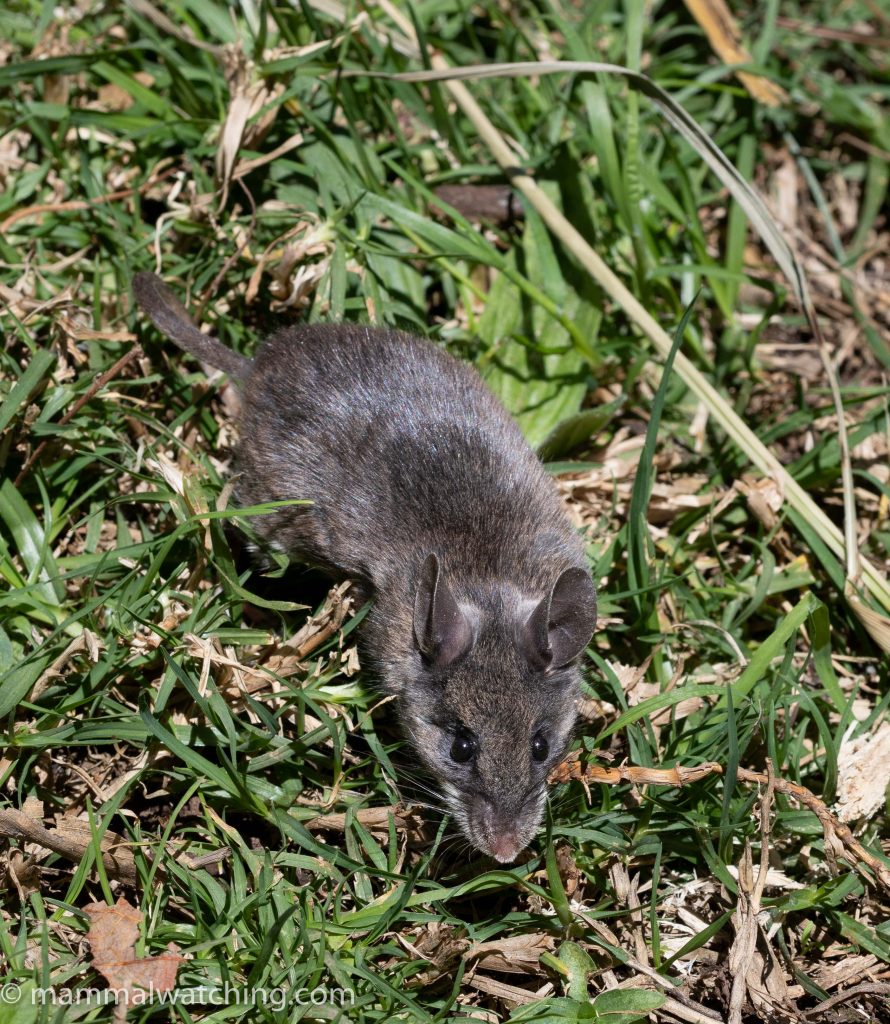
Guatemalan Deermouse (Peromyscus guatemalensis)
Our local guide here, Esteban Matías, is without doubt the best dressed naturalist in Latin America.
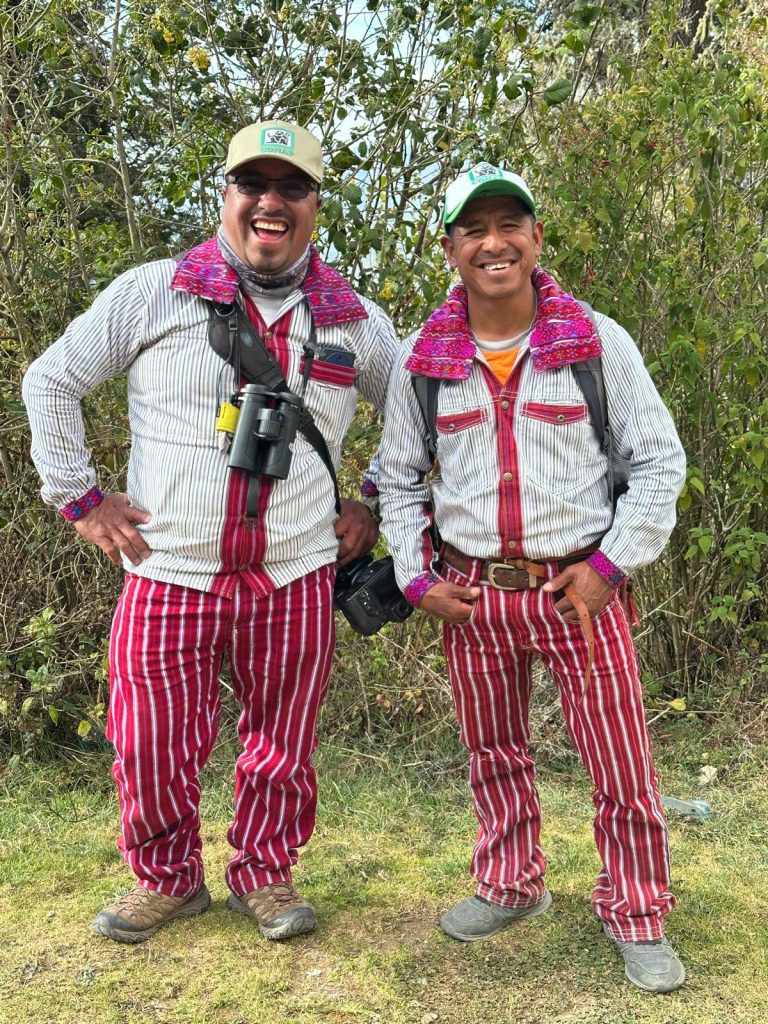
Esteban Matías (left).
A key target up here was the Guatemalan Vole. So we drove up to grassland at 3000m to set our vole traps in the long grass. We flushed several voles in the process.
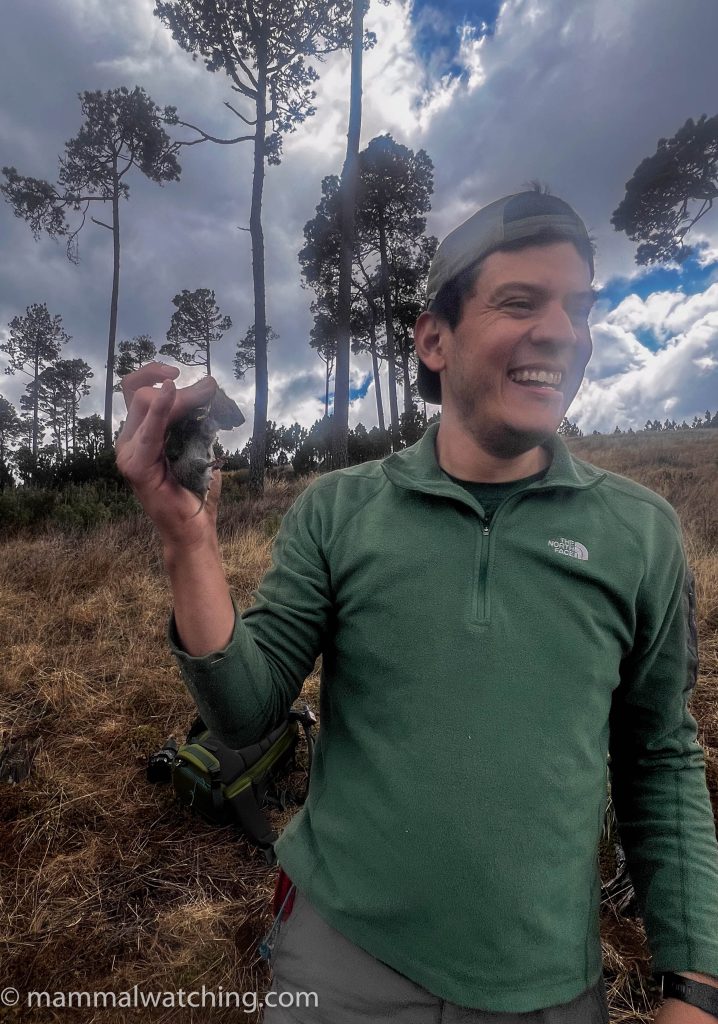
A happy José and mammal number 2400
I investigated some black plastic covering a stash of potatoes and a vole ran for cover. Confident there would be more I called for backup. José leapt into action and pounced on the next vole to emerge. My 2400th mammal. I was delighted that José had caught this milestone it in such a memorable way.
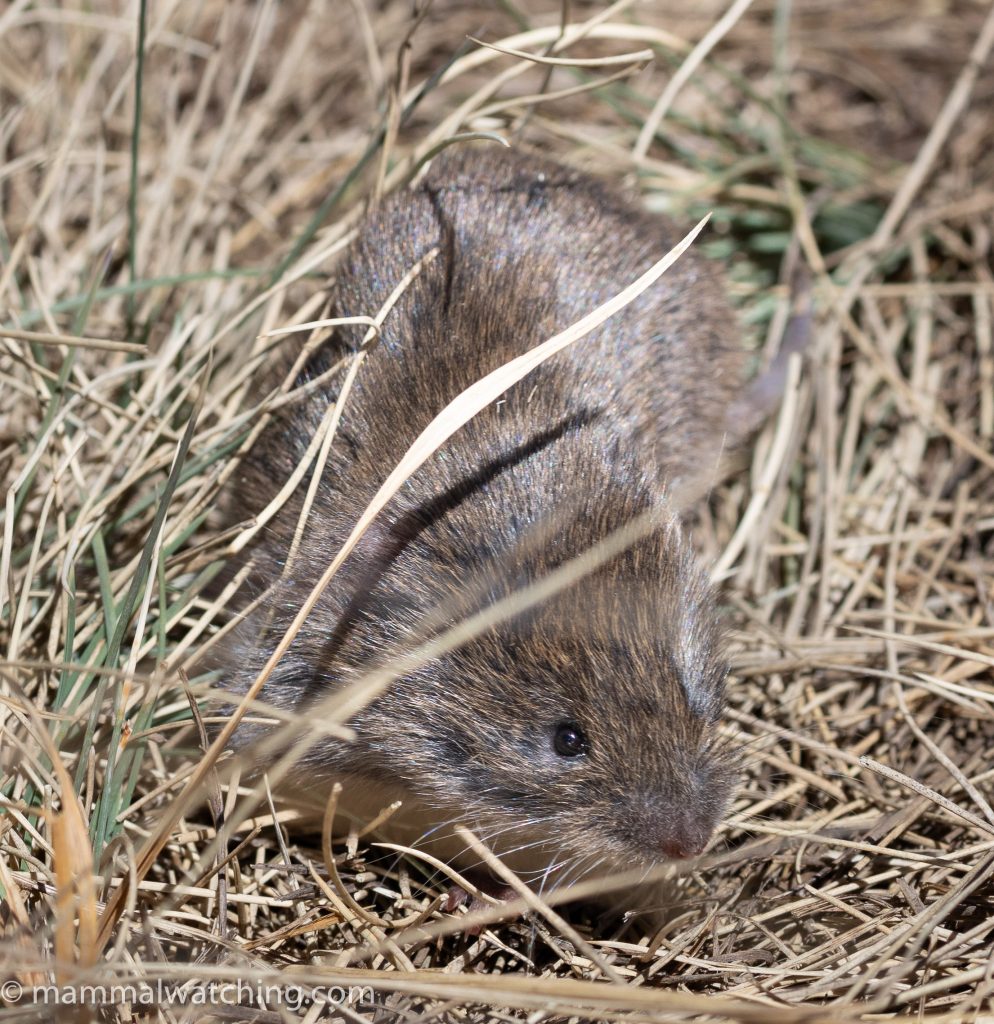
Guatemalan Vole (Microtus guatemalensis)
A few minutes later he grabbed an Orizaba Deermouse.
Turns out it was a very good job we had José’s feline skills on hand. None of the 50 or so traps caught anything the next morning other than a couple of Southern Harvest Mice. Meanwhile, there were few decent looking places to catch bats and we caught none that night. Jon took a walk with Esteban and saw an Eastern Cottontail; a Gray Fox; and a Coyote.
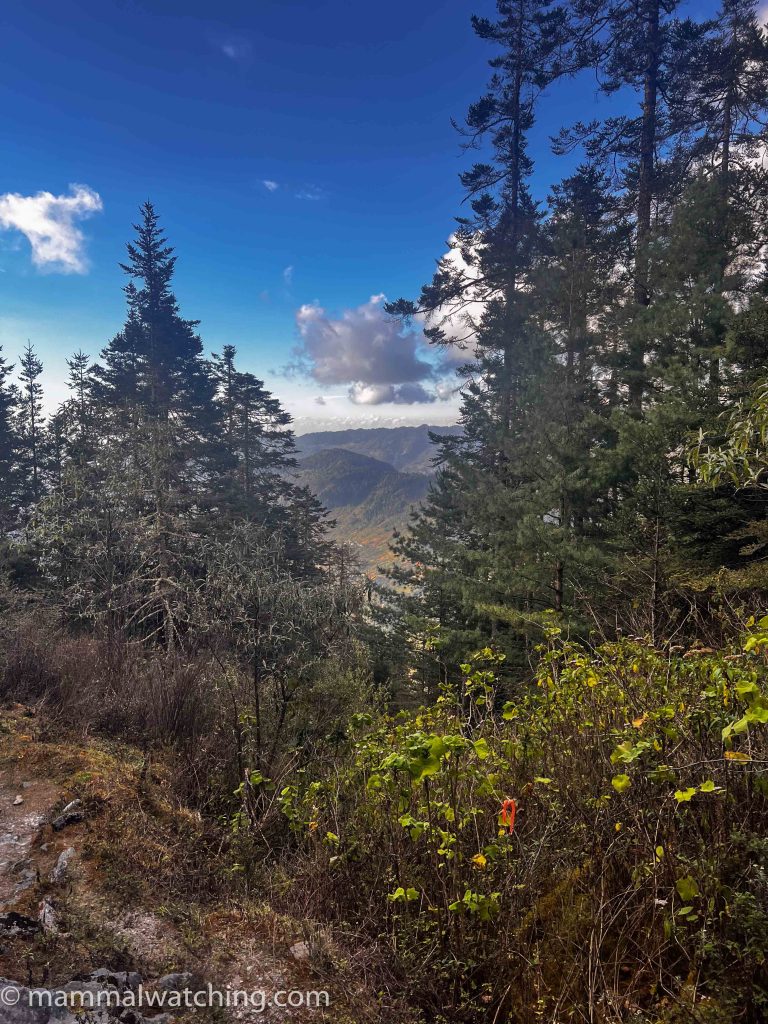
The next night we tried again in beautiful forest close to here, where we hoped there might be chances catch the rare Mayan Mouse, a Guatemalan endemic.
Once again there were no bats (the first time ever, Jose told us forlornly, that he had been skunked two nights running). And, despite the promisingly damp and mossy habitat we caught only a few Southern and Small-toothed Harvest Mice in a hundred traps.
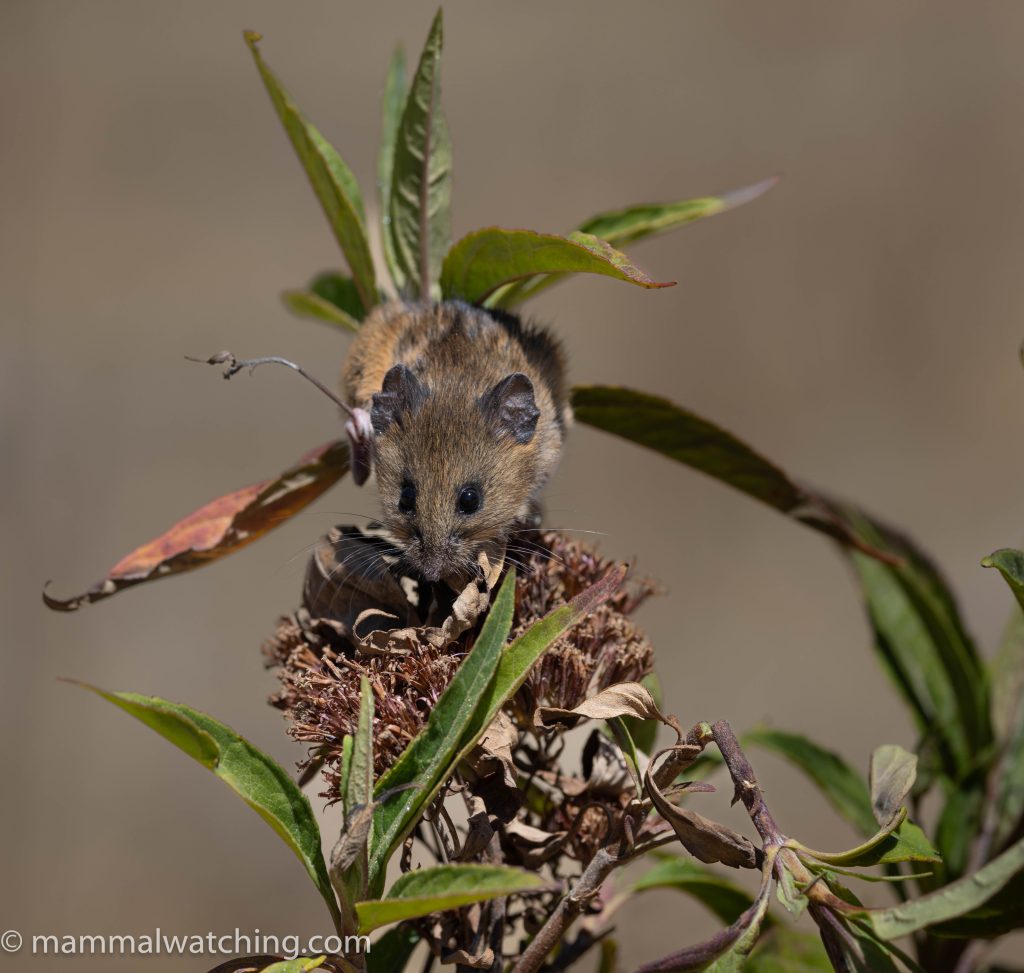
Southern Harvest Mouse (Reithrodontomys australis)
After a disappointing two nights, José and Luis were determined to finish on a high note and things started to look up when, at the 11th hour, they obtained permission for us to visit Laguna Magdalena.
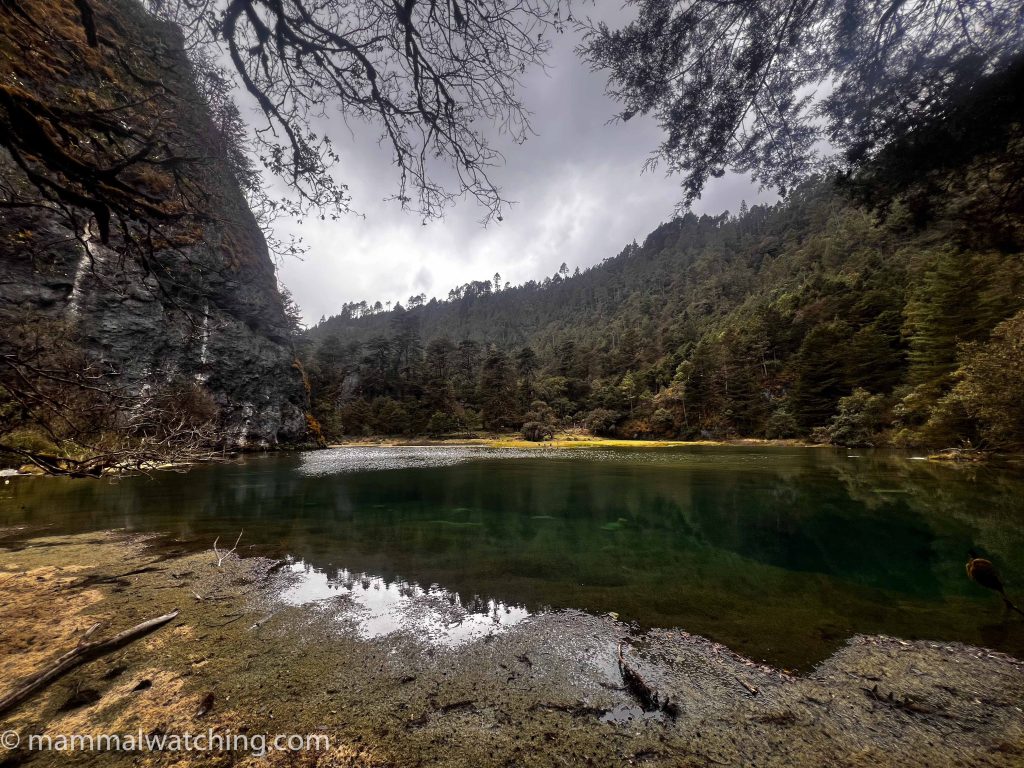
The area looked better for bats. More importantly the locals spoke about the mice that they see swimming around the edges of the lagoon. This surely meant Water Mice (Rheomys sp), a super cool aquatic genera that seem both rare and hard to catch. I could think of nothing I wanted more in life than finding one. Now there’s a surprise.
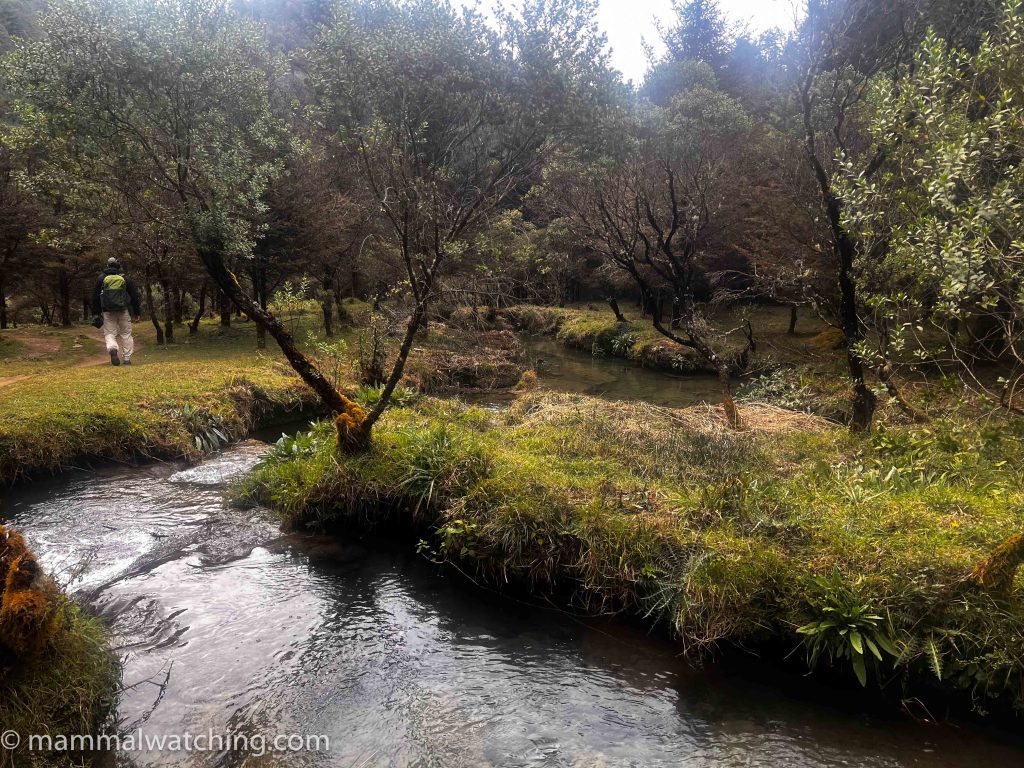
Rheomys habitat
Thick mist came in during the late afternoon and by sunset it was impossible to see more than 10 meters in our flashlight beams. My thermal spotted a few rodents running around the lake. Most I think were harvest mice but Jon Swenson spotted what he was sure was a larger animal in his thermal swimming among the reeds. Closer to the campsite, Mike saw an animal swimming rapidly along a creek that he suspected was a rheomys.
After two hours of wandering through the cold mist we added Mexican Harvest Mouse to the trip list but no confirmed rheomys. We retreated to the bus to eat Oreos and await further instructions.
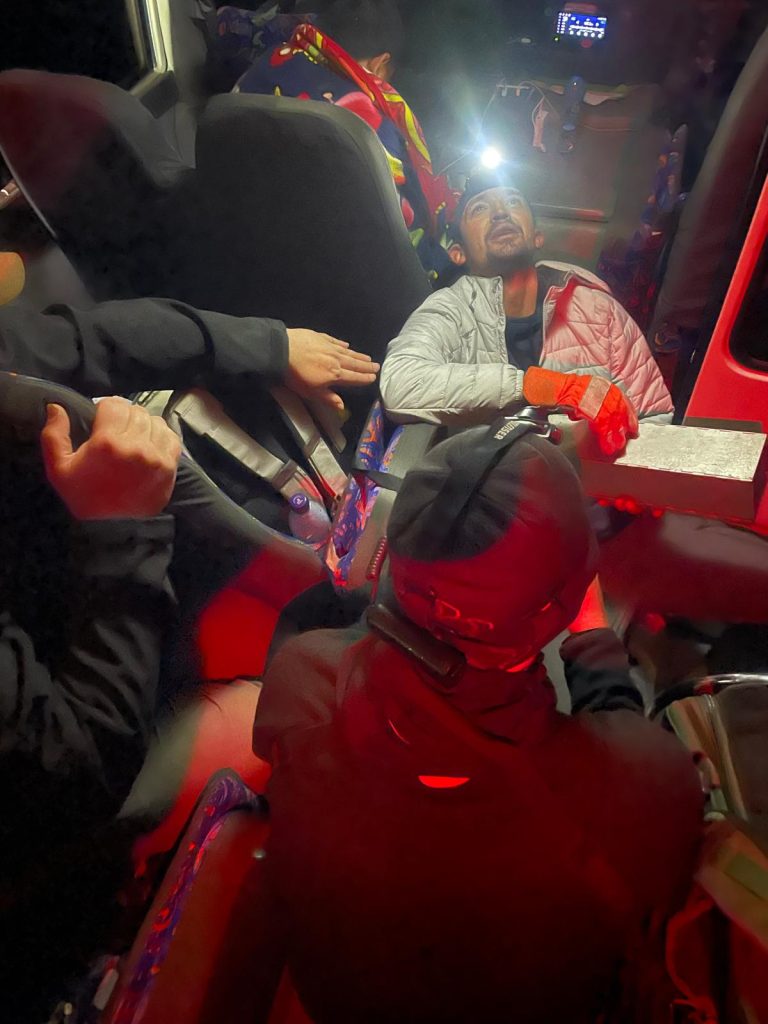
Luis in a post-rheomys trance.
Three packs of Oreos later Luis T burst into the bus, waving a trap in the air and gasping “Rheomys”. He promptly collapsed. When he got this breath back he explained that José had caught a rheomys by hand. By hand! If you were in any doubt about José Gabriel’s prowess then please throw those doubts aside. If an X-Men movie ever features a mammalwacher then José is going to have to take legal action if he doesn’t get a cut of the royalties.
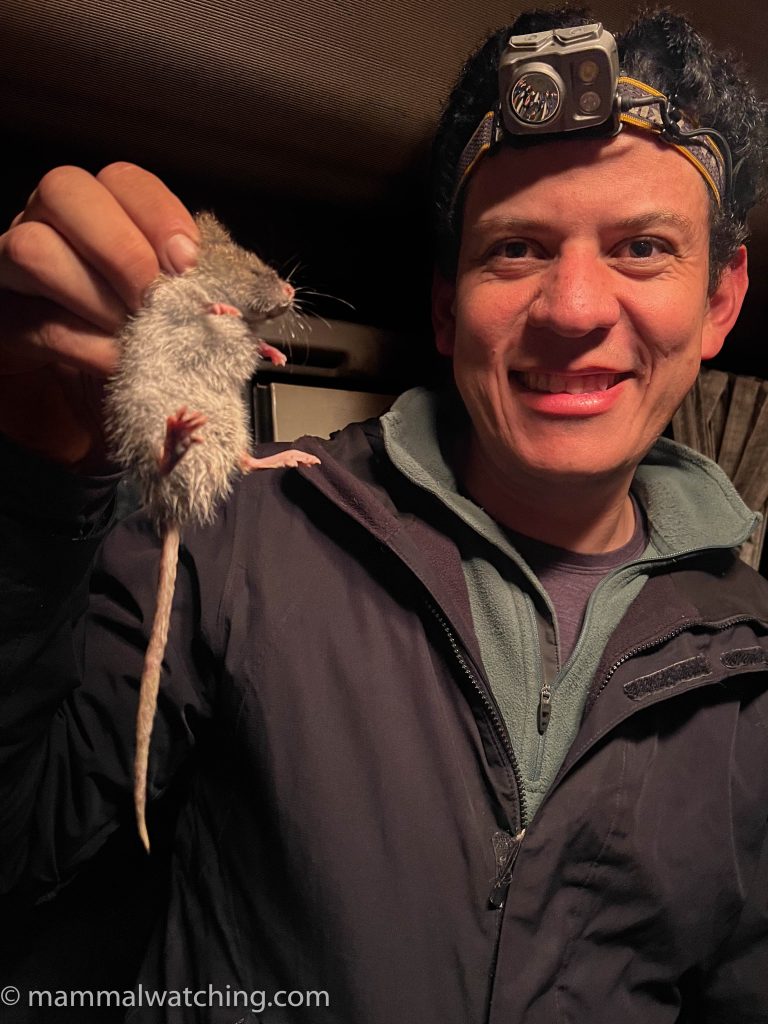
Rheomys joy
You can hear him explain how he caught the mouse in the forthcoming (April 2026) episode of the Mammalwatching Podcast.
The mouse was inside a bag which was inside a Sherman trap. It took every ounce of my willpower not to peak inside the trap and the bag, despite the risk that the mouse might have escaped. Admittedly I don’t have much willpower but I like to think the next thirty minutes were a moment for growth and gave me some insight on what life in rehab might feel like. My thoughts spiraled as I doubted whether José would come back to the bus before the mouse died of old age.
He was perceptive enough to pick up on my anxiety and showed us the animal as soon as he returned, annoucing he too was “worried” about the mouse’s welfare. If I had known of these fears while I was waiting I know I would have crumbled.
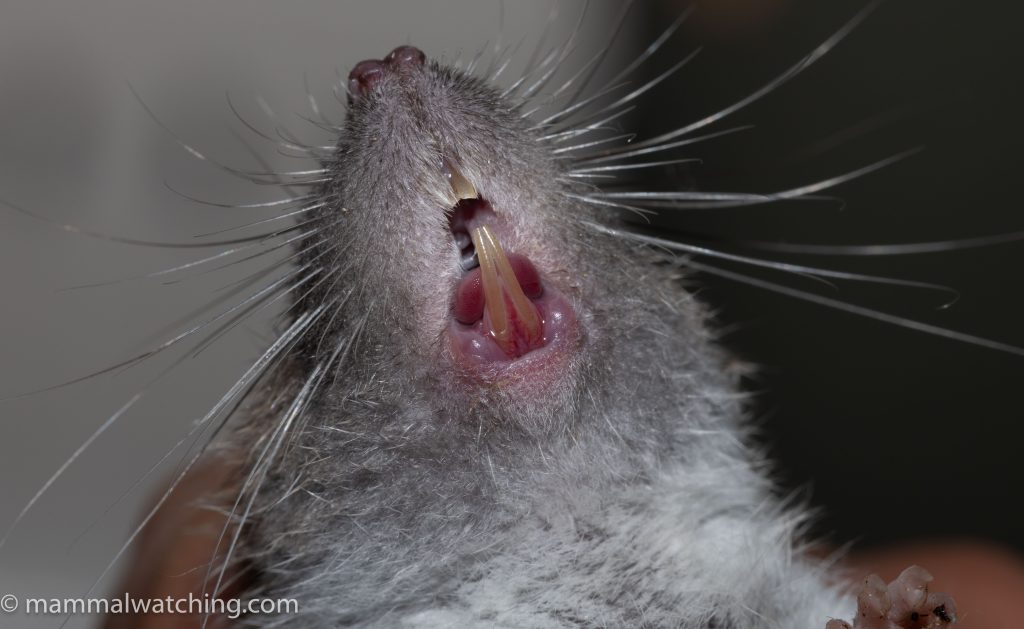
Thomas’s Water Mouse (Rheomys cf. thomasi)
But the mouse was alive, kicking and totally gorgeous. Look at those feet and teeth!
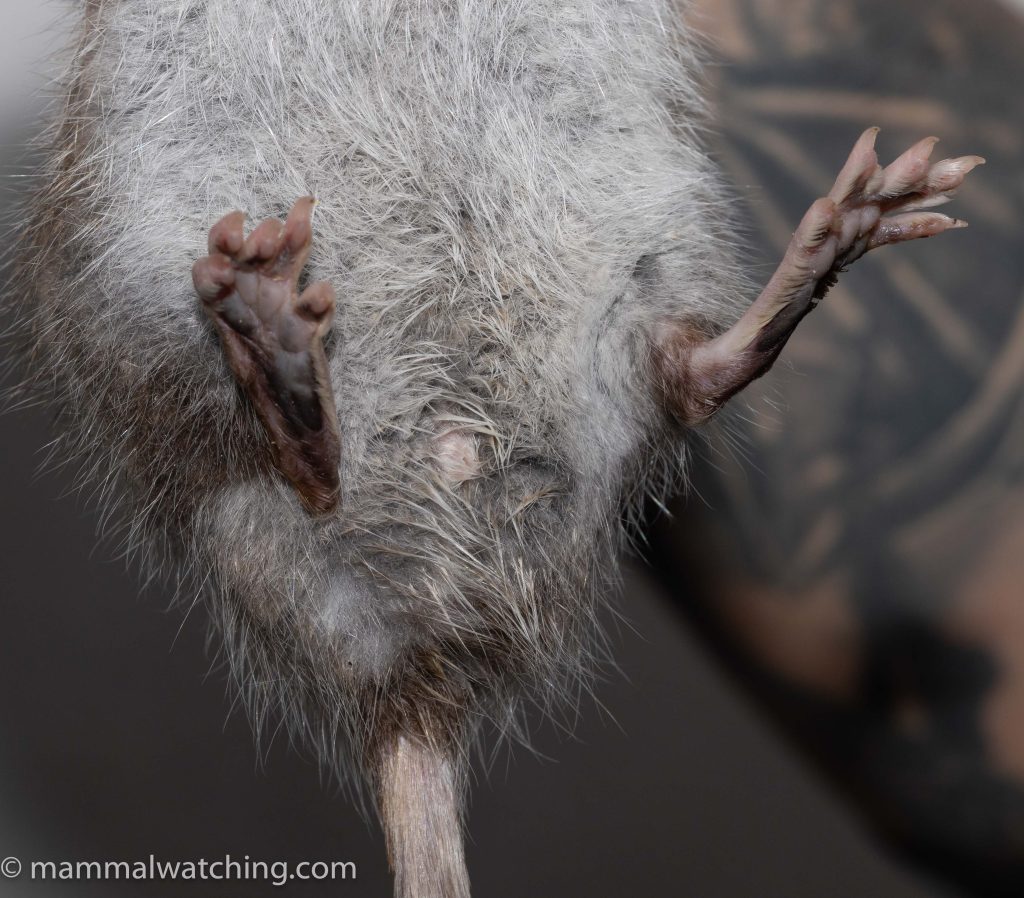
Thomas’s Water Mouse (Rheomys cf. thomasi)
It gets better. This species appears to be brand new to science. Luis looked at the teeth and is convinced that this isn’t a Thomas’s Water Mouse, the only known species in range, and he is already investigating. The mice seem relatively common up here: José saw two before he managed to catch this one.
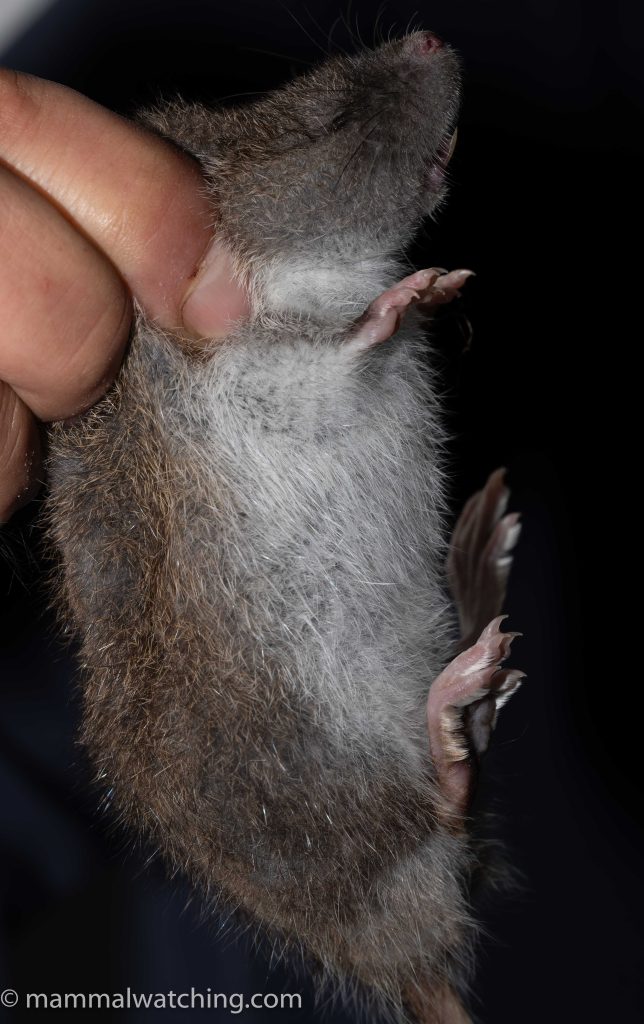
Thomas’s Water Mouse (Rheomys cf. thomasi)
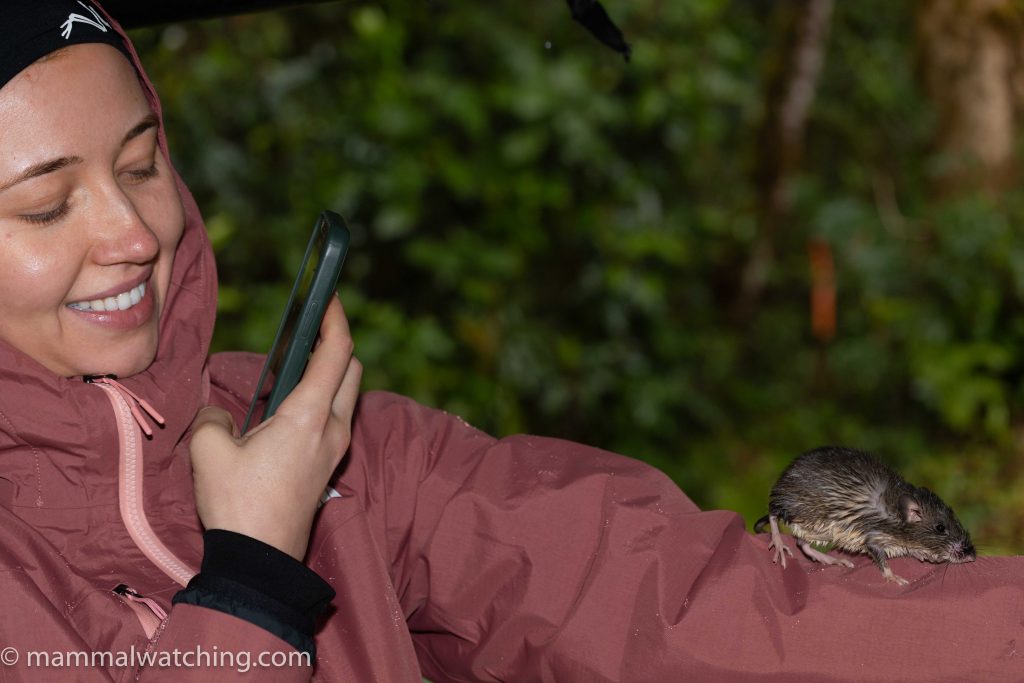
But the night wasn’t over. Luis had set a few sherman traps around the campsite and one of them contained a Guatemala Woodrat, a rare species that posed for photos like a true gentleman when we released it. The 65th species (at least) of the trip and my 14th lifer.
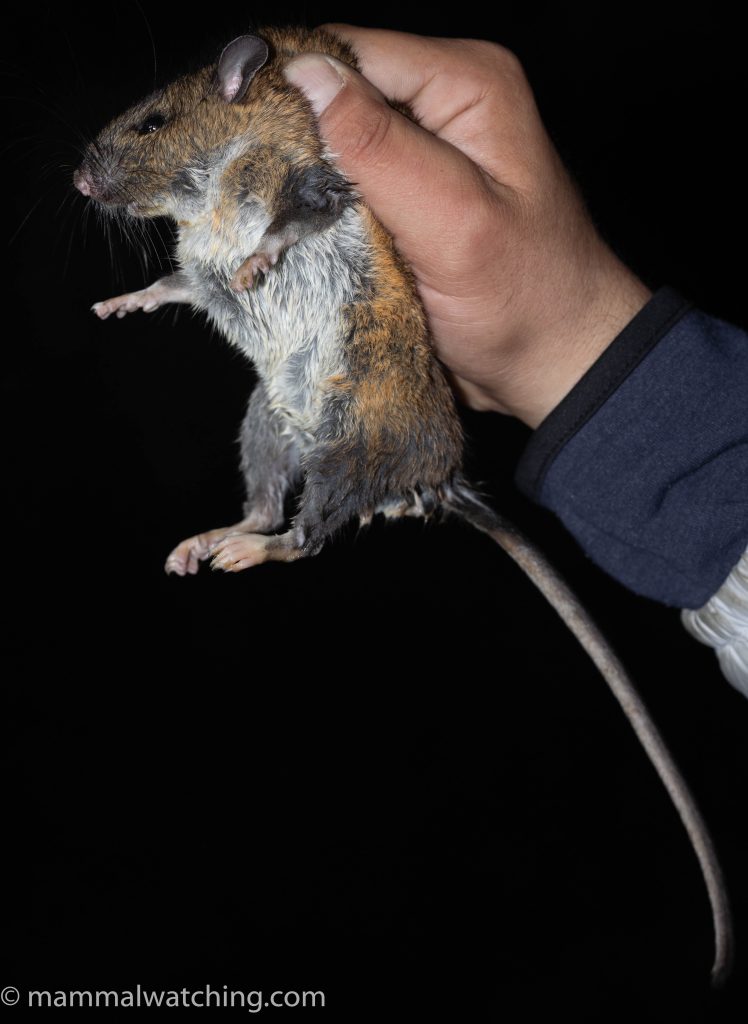
Guatemala Woodrat (Neotoma ferruginea)
Species Account
1. Northern Four-eyed Opossum (Philander vossi)
Two in and around Selempin.
2. Common Opossum (Didelphis marsupialis)
One or two along the road near Selempin.
3. West Indian Manatee (Trichechus manatus)
Two animals breaking the surface of Lake Izabal.
4. Central American Black Howler (Alouatta pigra)
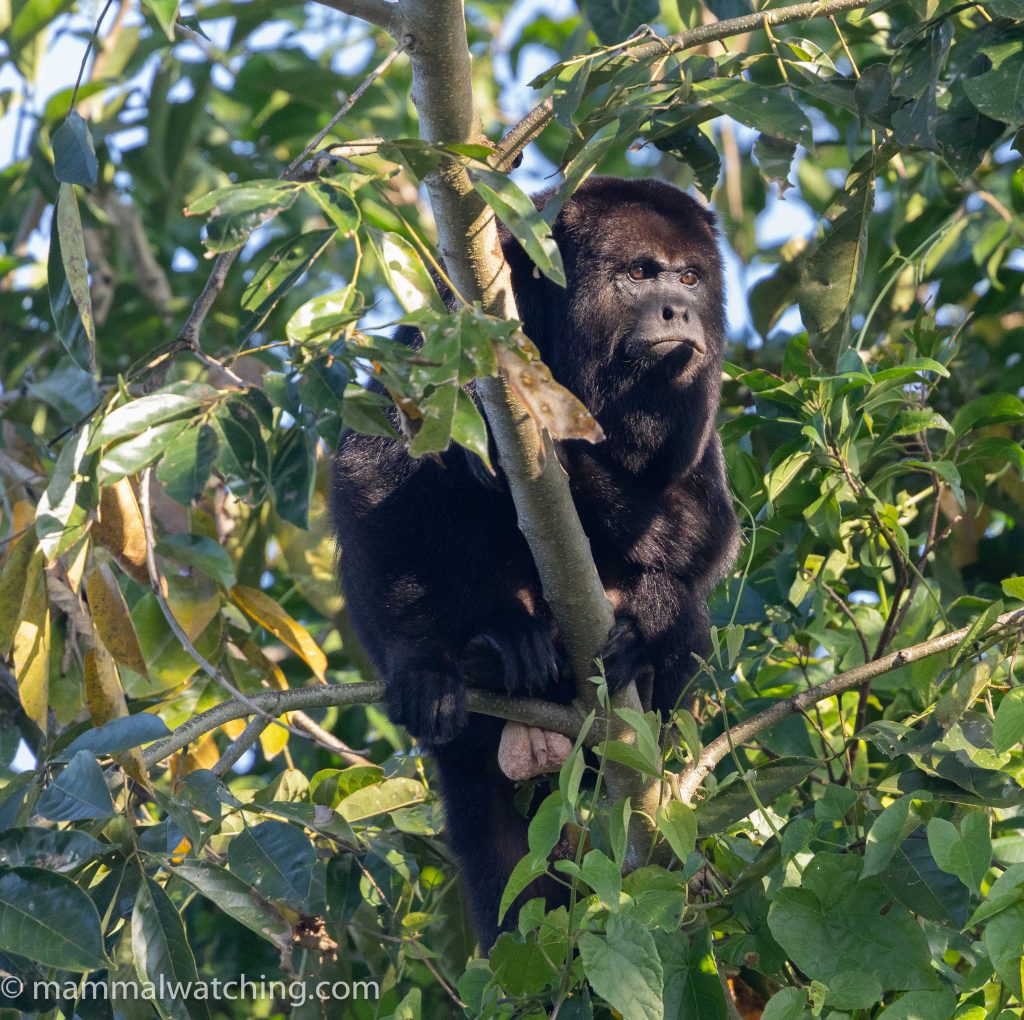
One troop on the edge of the river during our Lake Izabal cruise gave good views. We saw more animals at Selempin.
‘Montane’ Central American Howler (Alouatta cf. pigra) – potential lifer
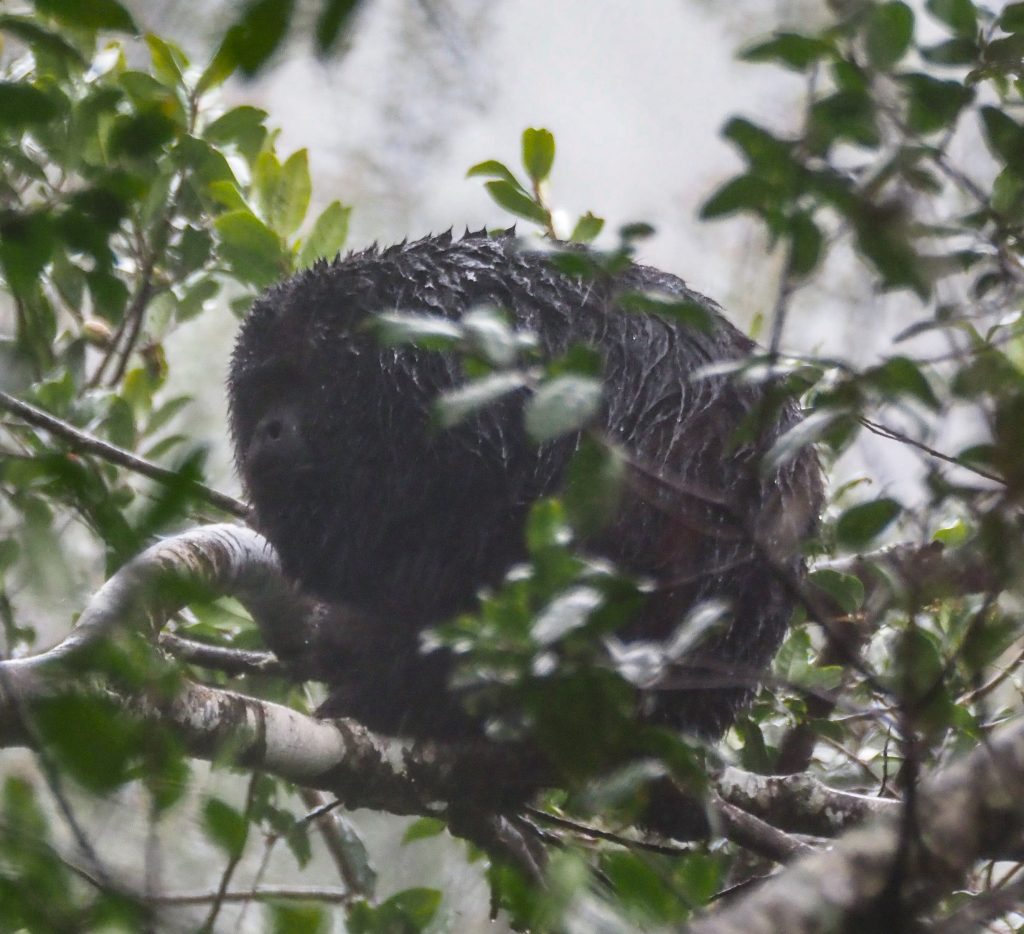
Photo Venkat Sankar
The howlers at Sierra de las Minas are likely to be described as a new species. If the weather had been better then they should be easy to see. We saw just one animal.
5. Eastern Cottontail (Sylvilagus floridanus)
Several at the Helioderma Reserve and Laguna Magdalena. Jon Swenson saw another rabbit in Cuchmantes while we were failing to catch bats.
6. Red-bellied Squirrel (Sciurus aureogaster)
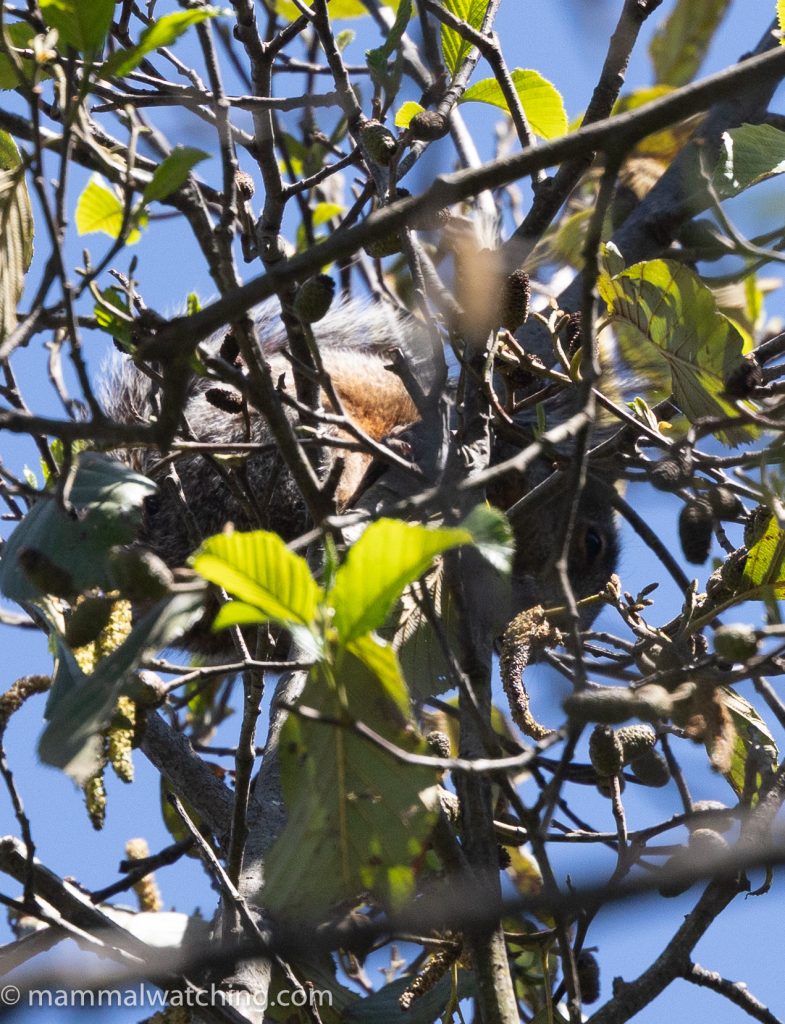
One would not show well near Todos Santos.
7. Deppe’s Squirrel (S.deppei)
Ian saw one at Sierra de las Minas.
8. Variegated Squirrel (S.variegatoides)
One at El Cafetal on our first day.
8. Desmarest’s Spiny Pocket Mouse (Heteromys cf. desmarestianus) – potential lifer
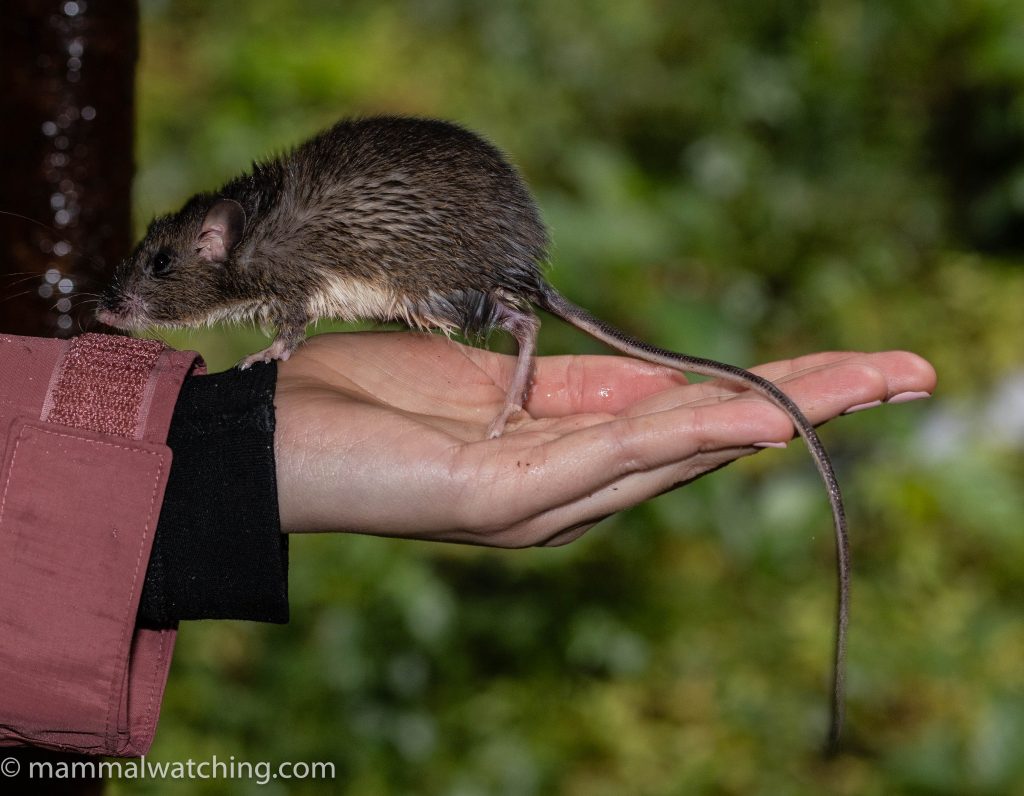
We caught several at El Caeftal and Sierra de las Minas. They were all larger than desmarestianus is supposed to be and so potentially a new species.
9. Salvin’s Spiny Pocket Mouse (H.salvini)
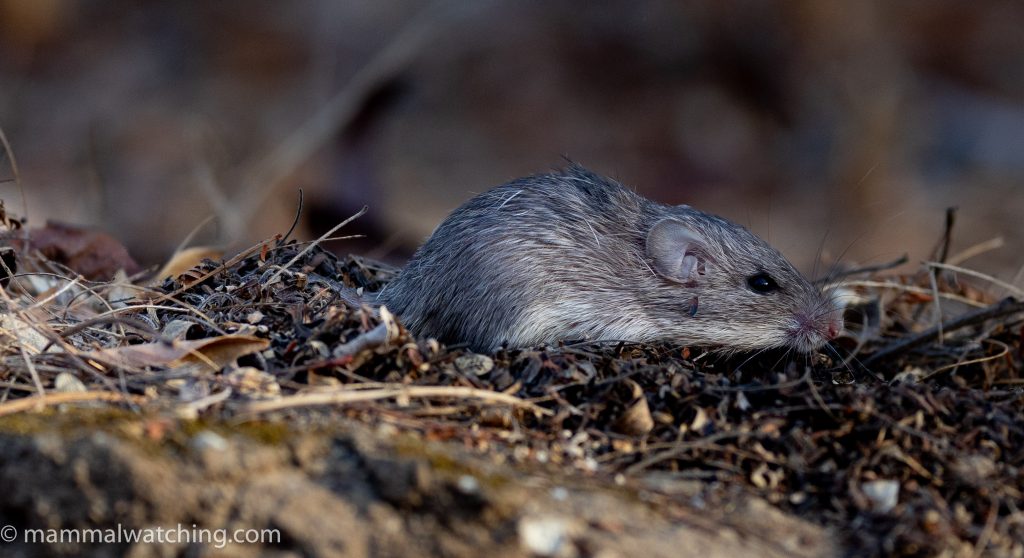
Jon Swenson caught one at the Helioderma Reserve.
10. Guatemalan Vole (Microtus guatemalensis) – lifer
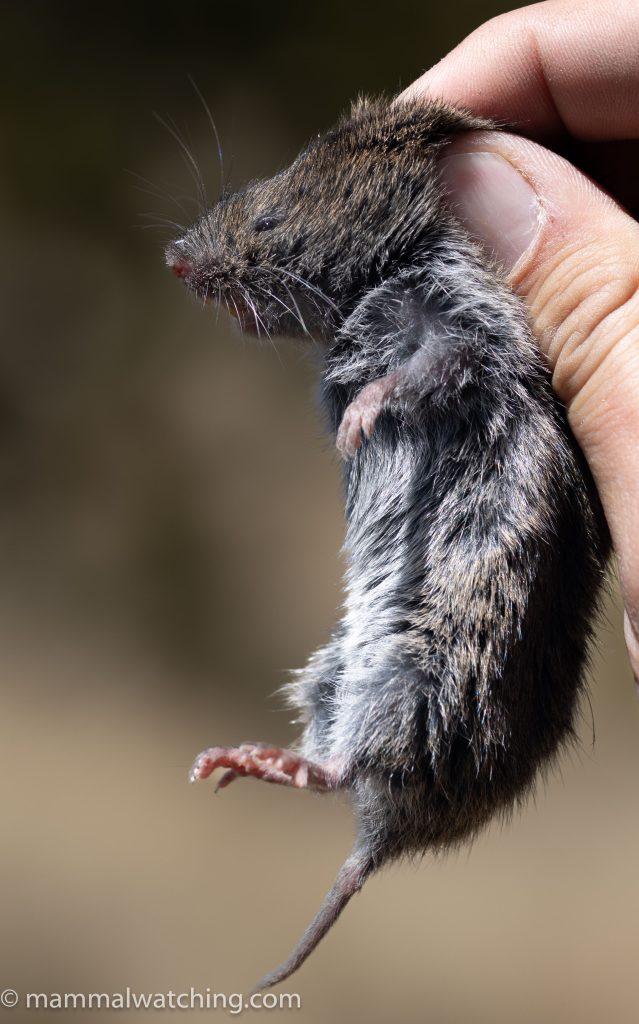
José Gabriel caught one by hand in montane grassland at Cuchumantes. We also caught a vole at Sierra de las Minas that died in the trap. That specimen will go to the museum to see if it is a new species.
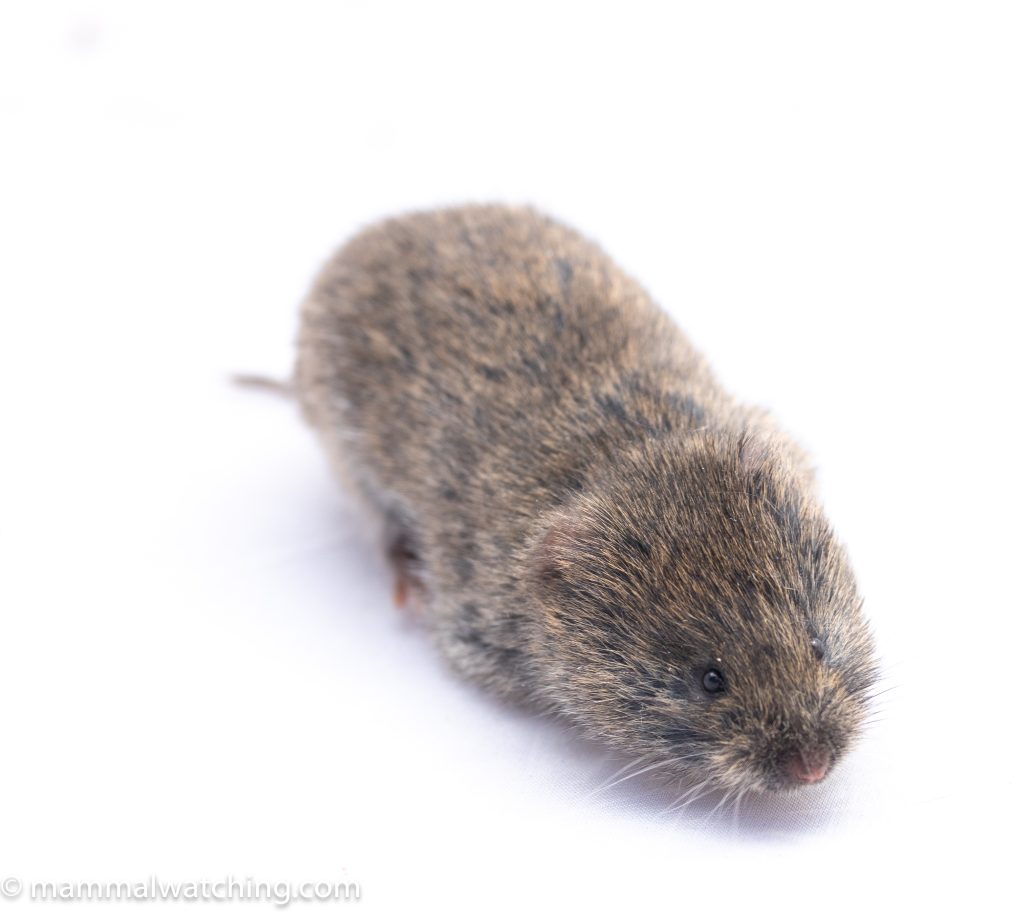
11. Short-tailed Singing Mouse (Scotinomys cf. teguina) – potential lifer
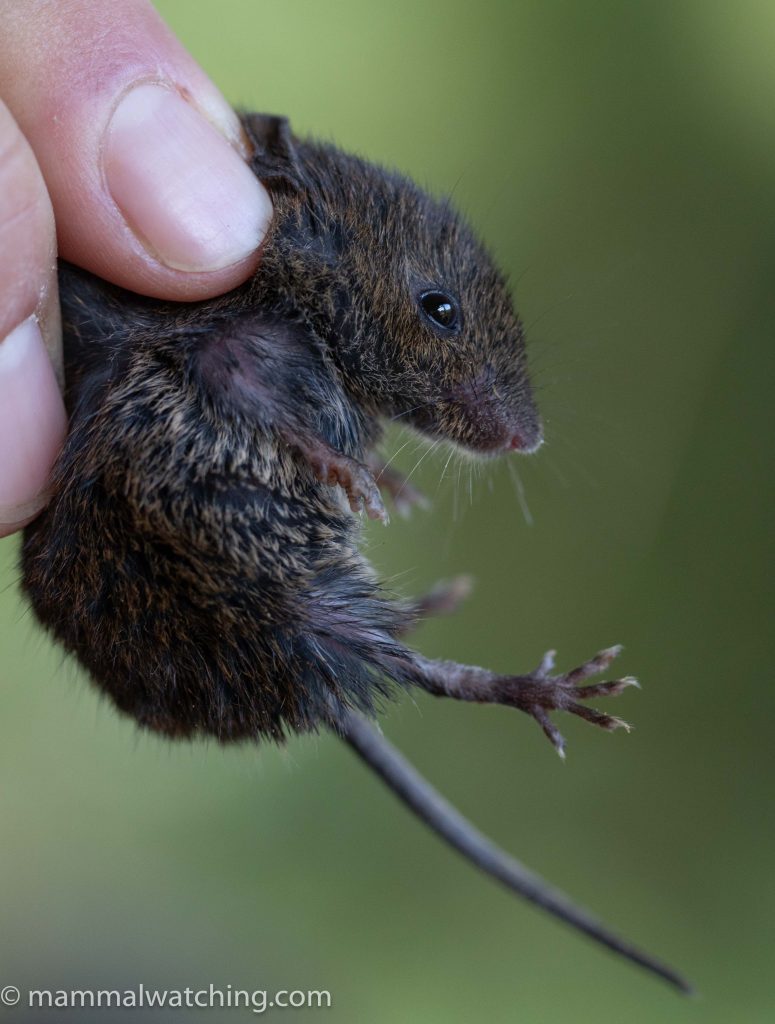
We saw several animals and caught many more at Sierra de las Minas. Recorded here for the moment as S. teguina until a paper describing this as a new species emerges from peer review.
12. Guatemala Woodrat (Neotoma ferruginea) – lifer
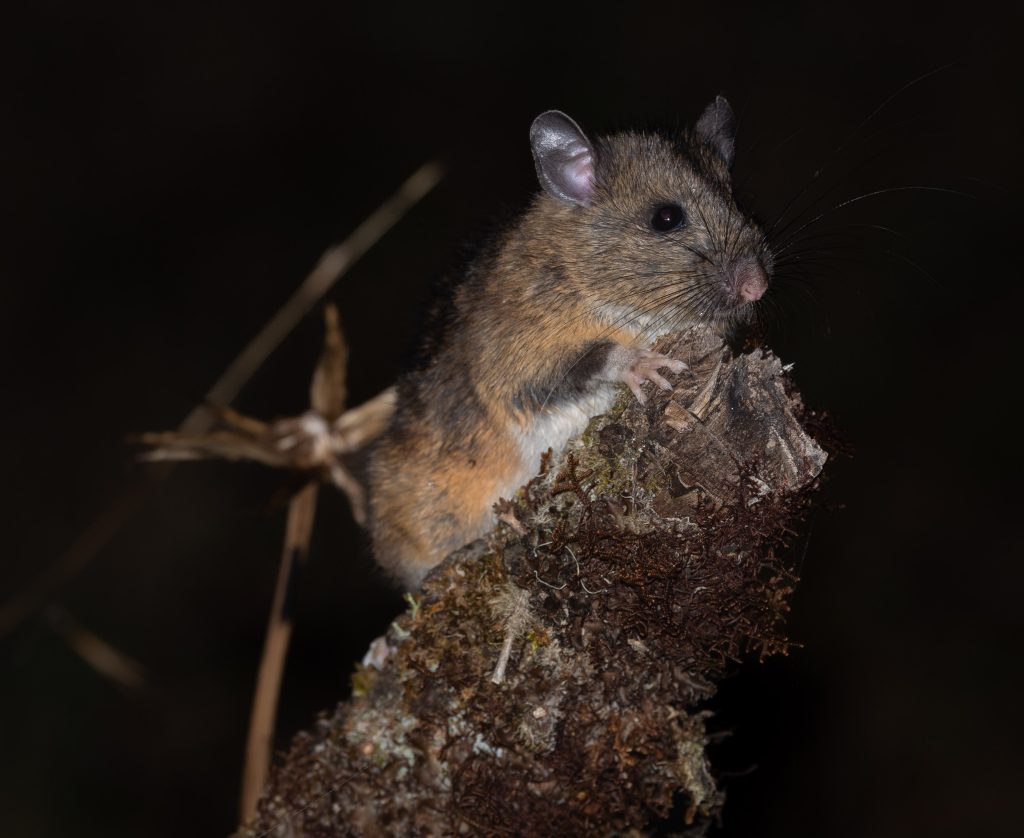
We caught one of these apparently rare rats at Laguna Magdalena. The final mammal of the trip.
13, Orizaba Deermouse (Peromyscus beatae)
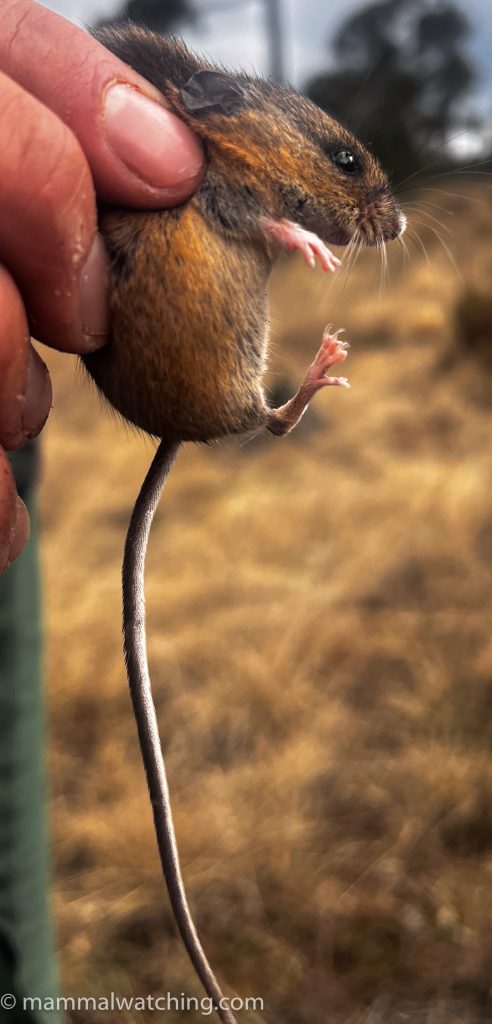
José Gabriel caught one by hand in montane grassland at Cuchumantes.
14. Cordillera Deermouse (P.cordillerae)
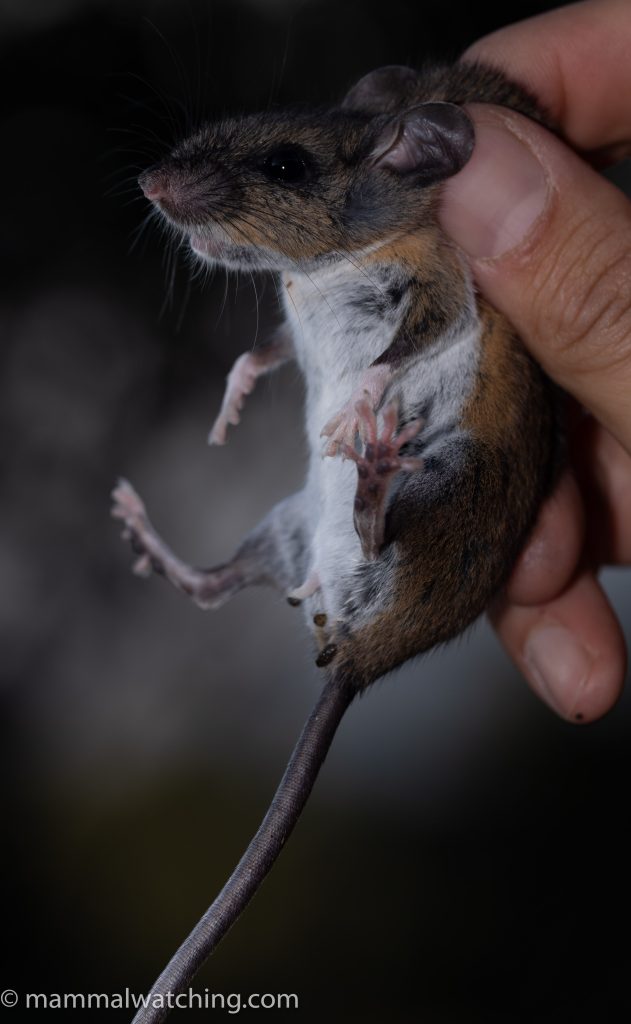
A few at El Cafetal.
15. Gardner’s Deermouse (P.gardneri) – lifer
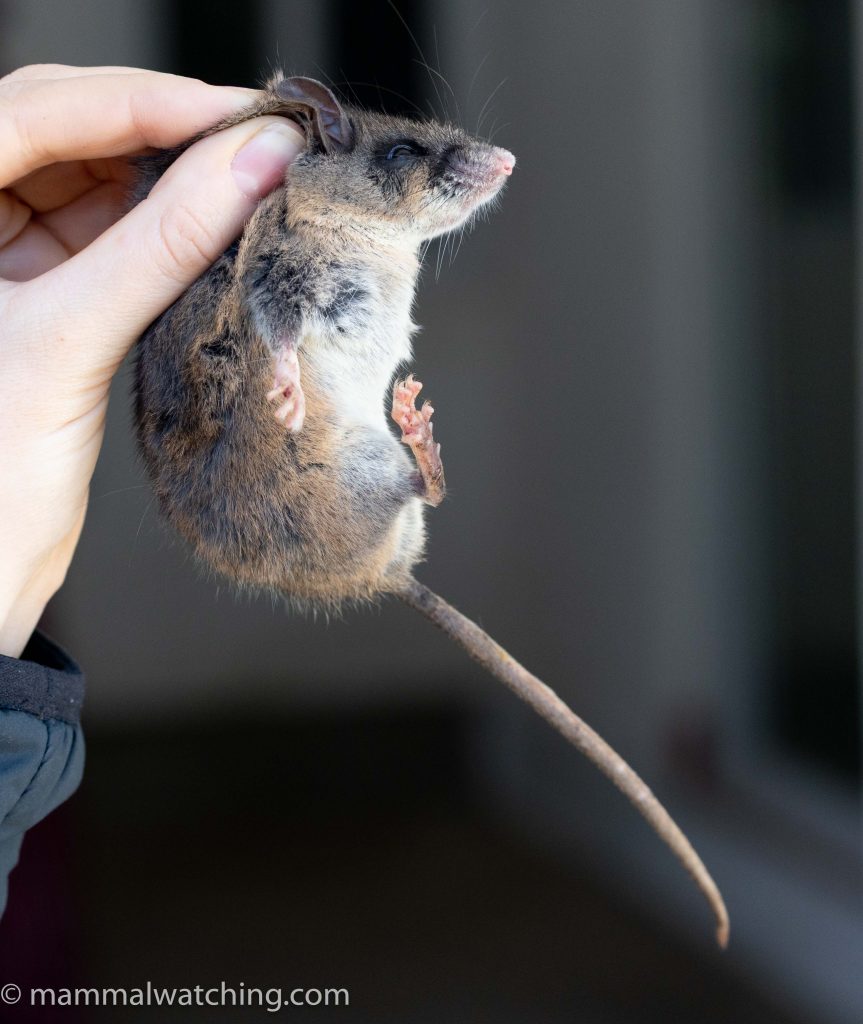
Caught at Todos Santos.
16. Large Deermouse (P. cf. grandis) – lifer
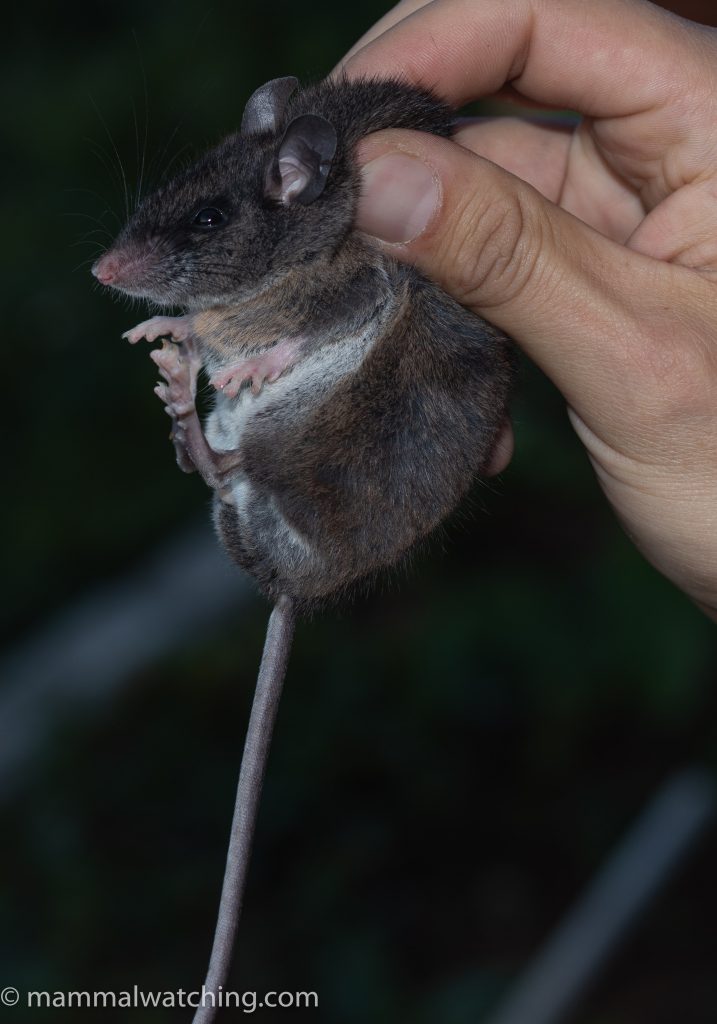
We trapped many of these very large deermice at Sierra de las Minas and they are in process of being described as a new species.
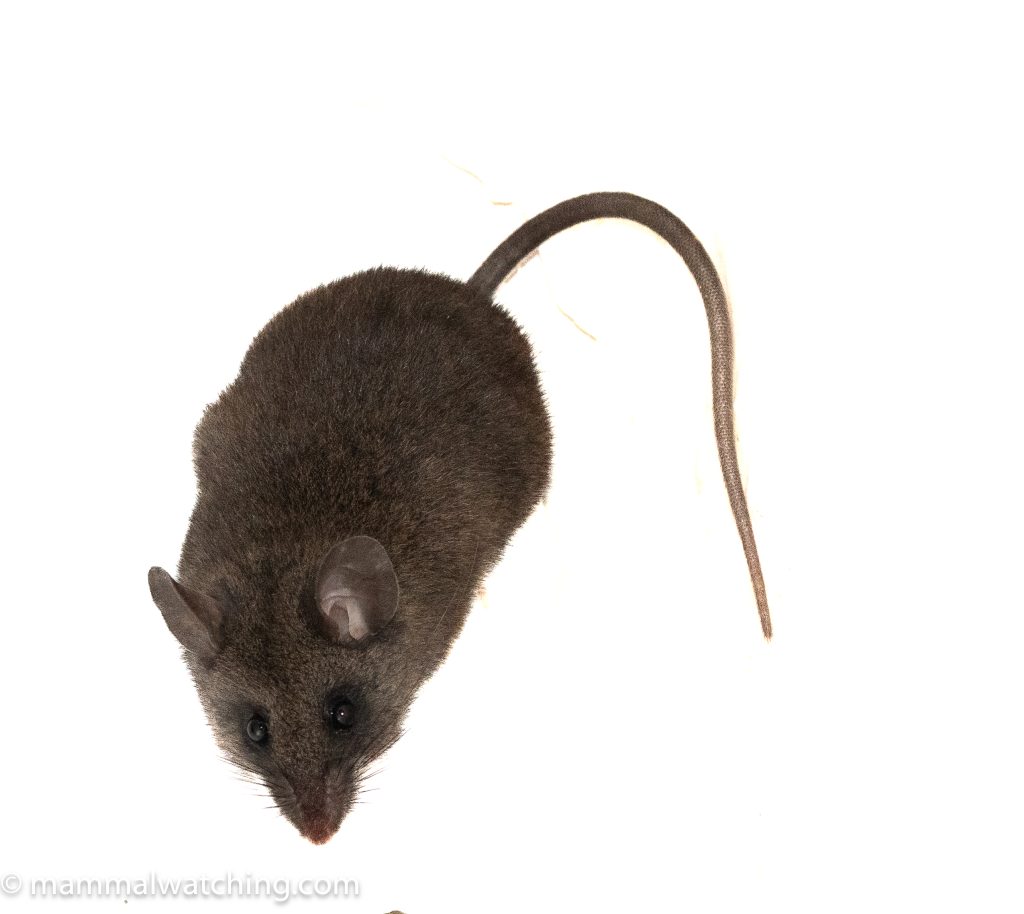
They were larger than the usual P. grandis and the paper describing them is under peer review.
17. Guatemalan Deermouse (P.guatemalensis) – lifer
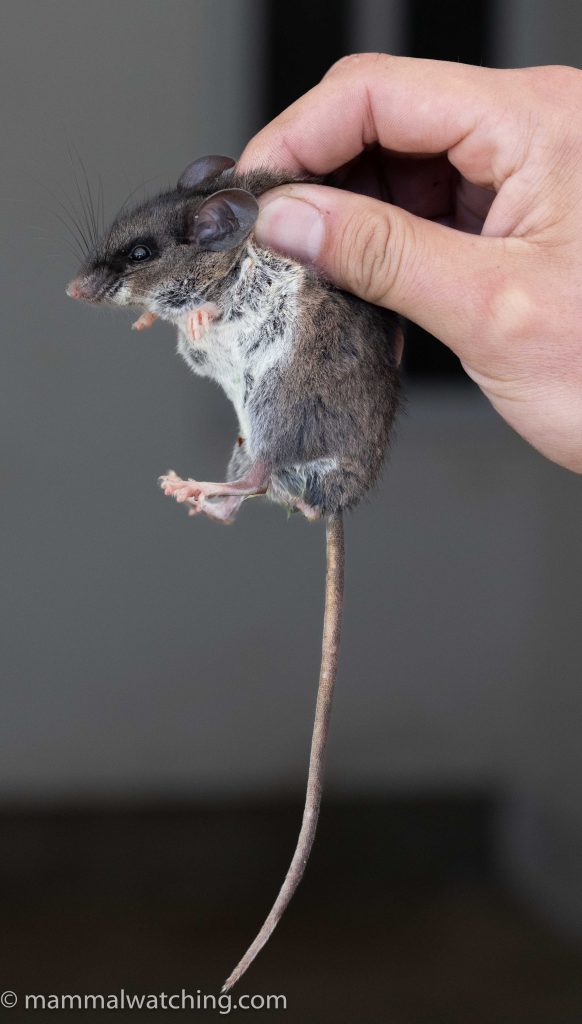
A few at Todos Santos.
18. Stirton’s Deermouse (P.stirtoni) – lifer
Our thermals found one in a tree at the Helioderma Reserve. No photos but it was clearly a peromyscus and Stirtoni is the only option there.
19. Southern Harvest Mouse (Reithrodontomys australis) – lifer
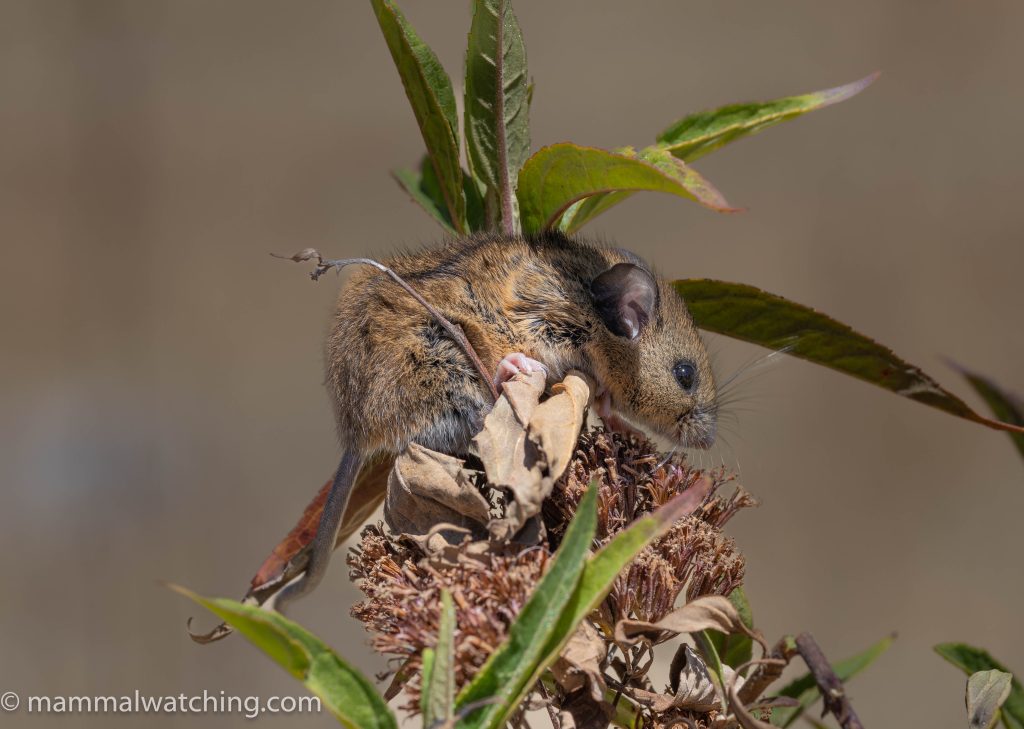
Animals trapped at Cuchumantes and Sierra de las Minas.
20. Mexican Harvest Mouse (R.mexicanus)
One animal found with the thermal – but not photographed – at Laguna Magdalena. A relatively large and colorful harvest mouse.
21. Small-toothed Harvest Mouse (R.microdon) – lifer
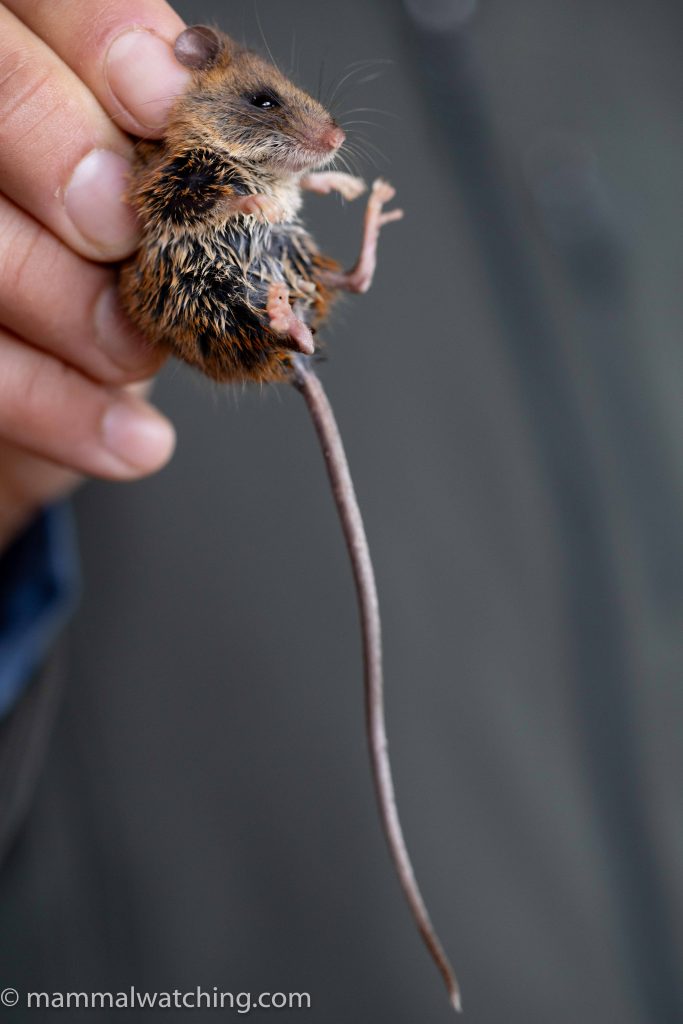
Animals trapped at Cuchumantes and Sierra de las Minas.
22. Narrow-nosed Harvest Mouse (R.tenuirostris) – lifer
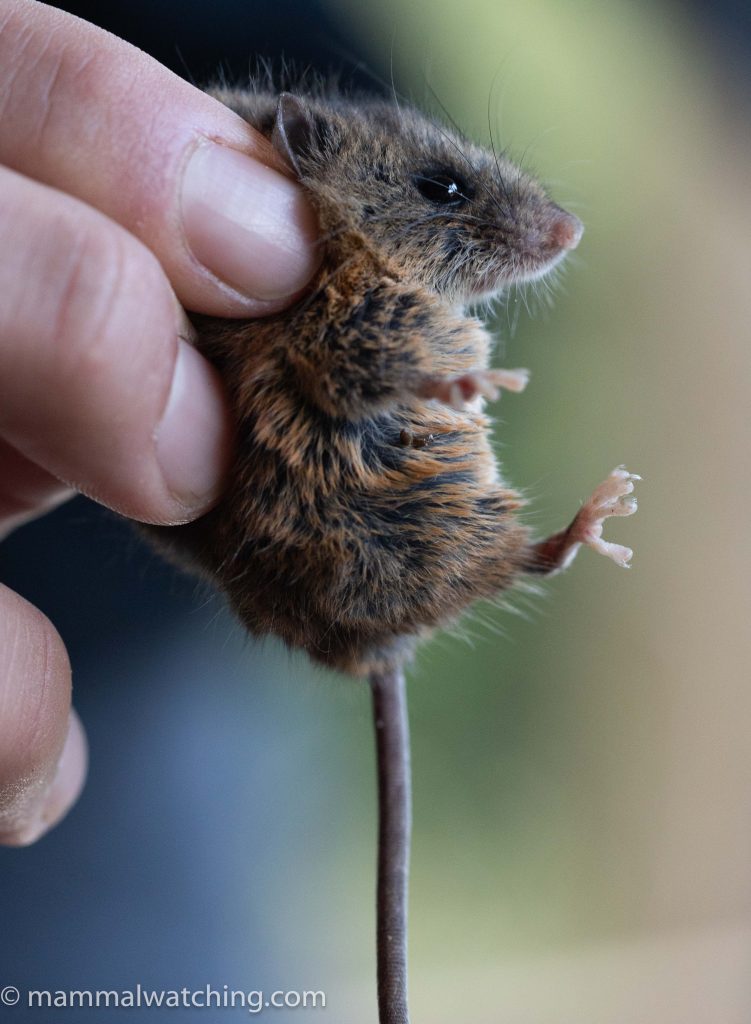
Trapped at Sierra de las Minas and also found with a thermal on our first night.
23. Thomas’s Water Mouse (Rheomys cf. thomasi) – lifer
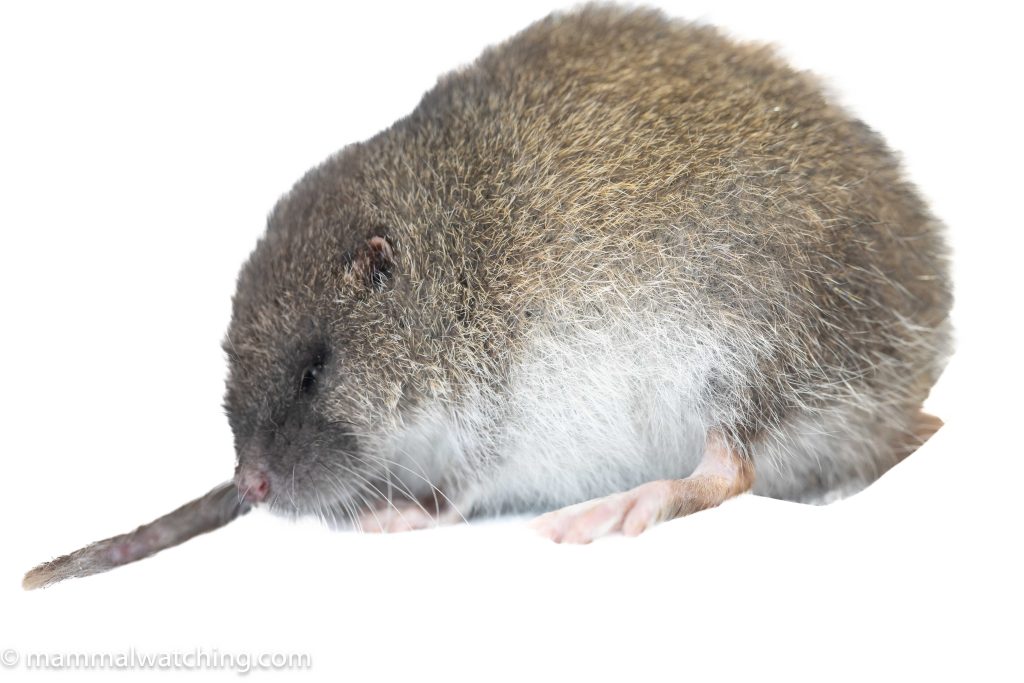
One of my personal highlights. José Gabriel caught one of these great mice at Laguna Magdalena. Recorded as Thomasi for now although Luis believes it is a brand new species.
24. Highland Rice Rat (Casiomys rhabdops) – lifer
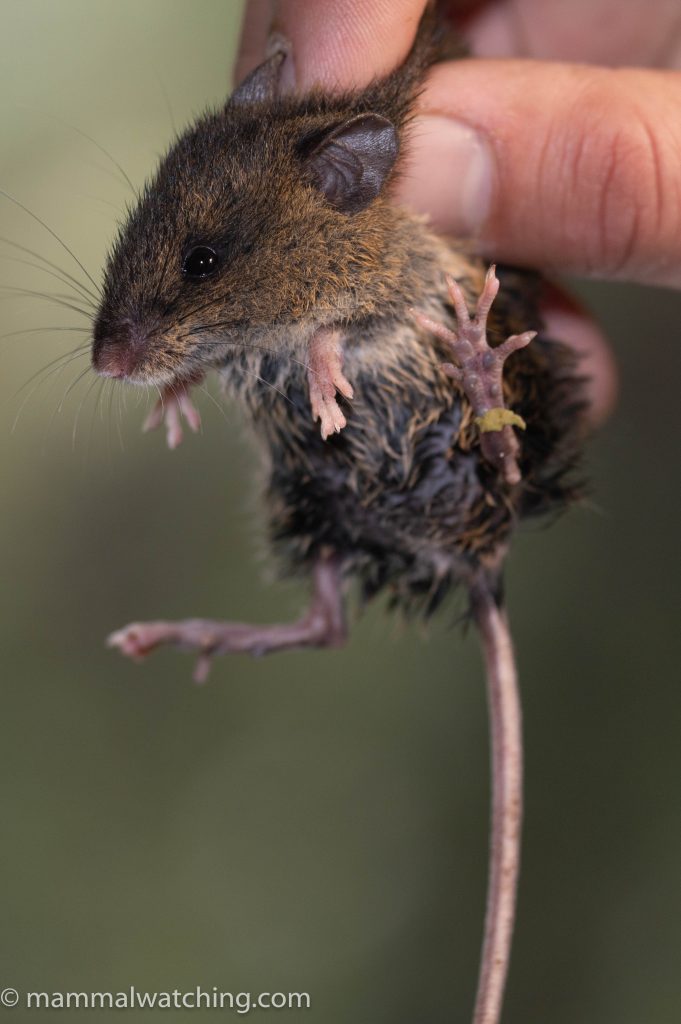
One trapped in the pine forest above our camp (at the vole site) in Sierra de las Minas.
25. Cloud Forest Rice Rat (C.saturatior) – lifer
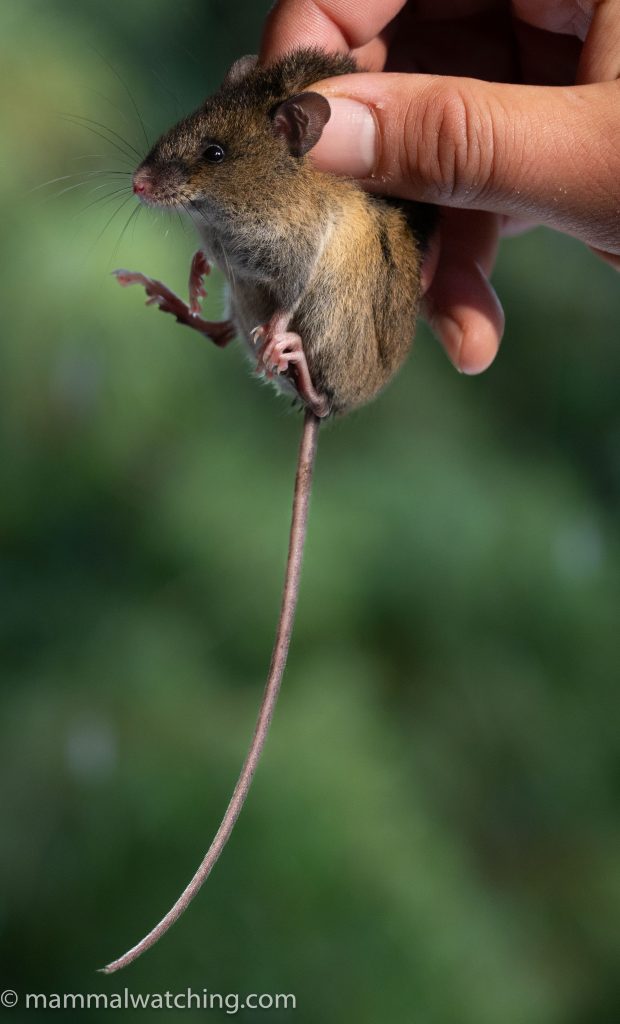
A few around camp at Sierra de las Minas.
26. Sumichrast’s Vesper Rat (Nyctomys sumichrasti)
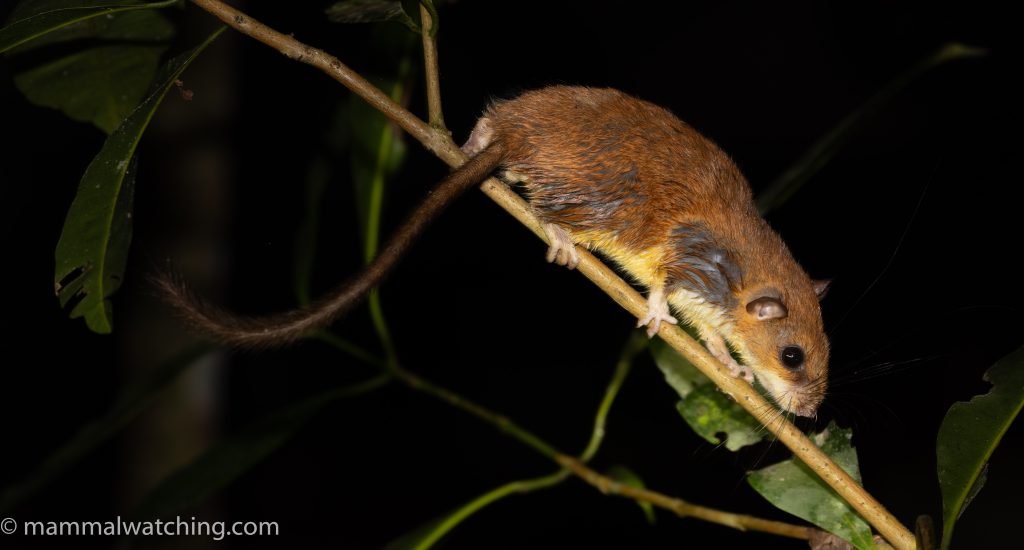
We recorded what was probably this species in three locations. We caught one at Selempin. Fiona Reid persuaded me that a second animal, which we found with our thermals at Sierra de las Minas, was also in fact a Vesper Rat. The third – at Ranchitos del Quetzal – is still a bit of a mystery. It doesn’t look much like a Vesper Rat to me but it doesn’t look like anything else either that is there. If you are a Nyctomys expert then take a look at the photos above in the Ranchitos section.
27. Highland Broad-clawed Shrew (Cryptotis oreoryctes) (†)
A dead animal in a pitfall trap at Sierra de las Minas will be sent to the museum.
28. Salvin’s Shrew (Sorex salvini) (†)
A dead animal in a pitfall trap at Sierra de las Minas will be sent to the museum.
29. Thomas’s Sac-winged Bat (Balantiopteryx io)
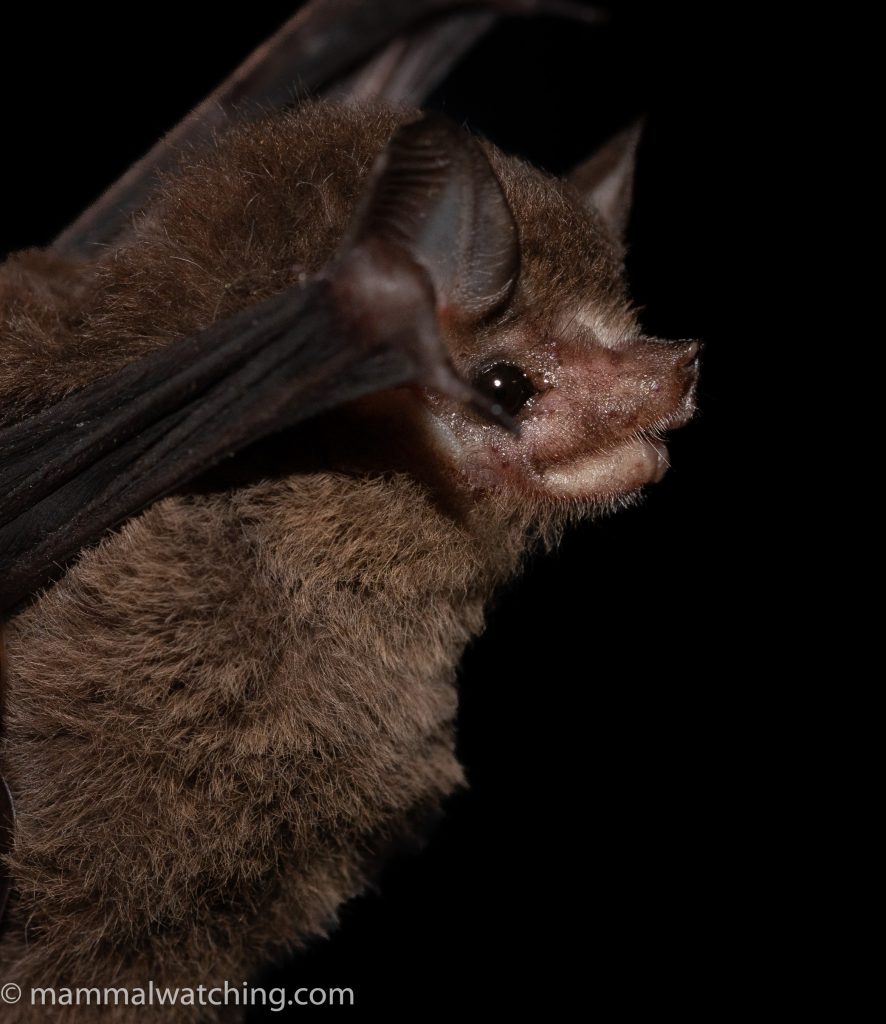
Great views of a colony in a cave at Selempin.
30. Greater Sac-winged Bat (Saccopteryx bilineata) (Detected)
Bat-detected but not seen in Selempin.
31. Lesser Sac-winged Bat (S.leptura) (Detected)
Bat- detected but not knowingly in Selempin.
32. Mesoamerican Common Mustached Bat (Pteronotus mesoamericanus)
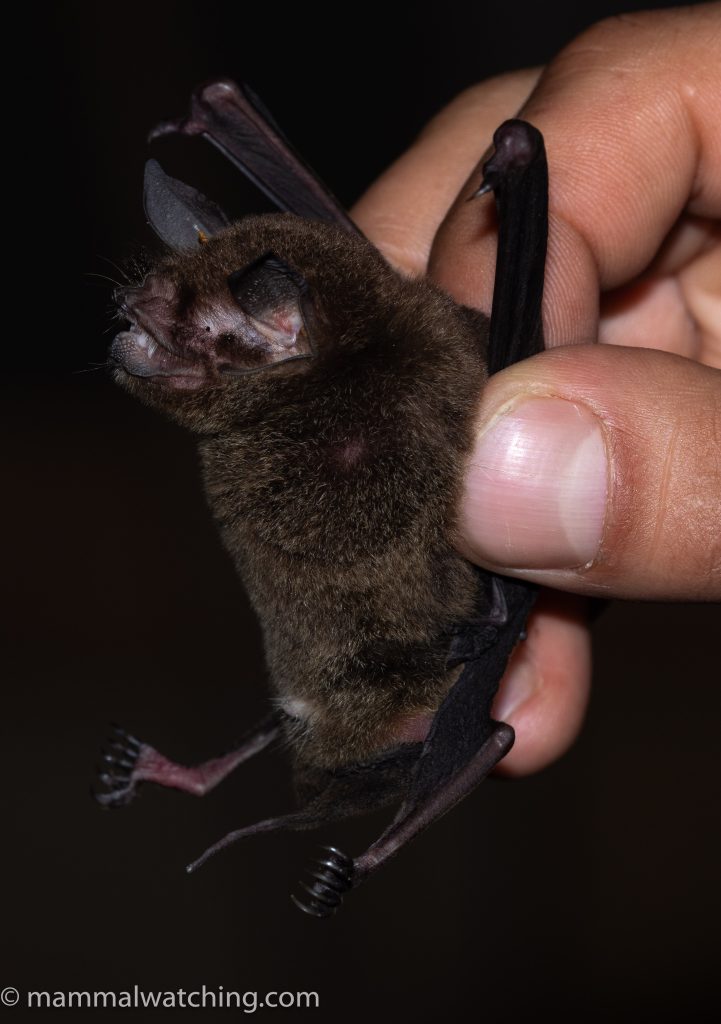
Caught at Selempin and Ranchitos del Quetzal.
33. Seba’s Short-tailed Bat (Carollia perspicillata)
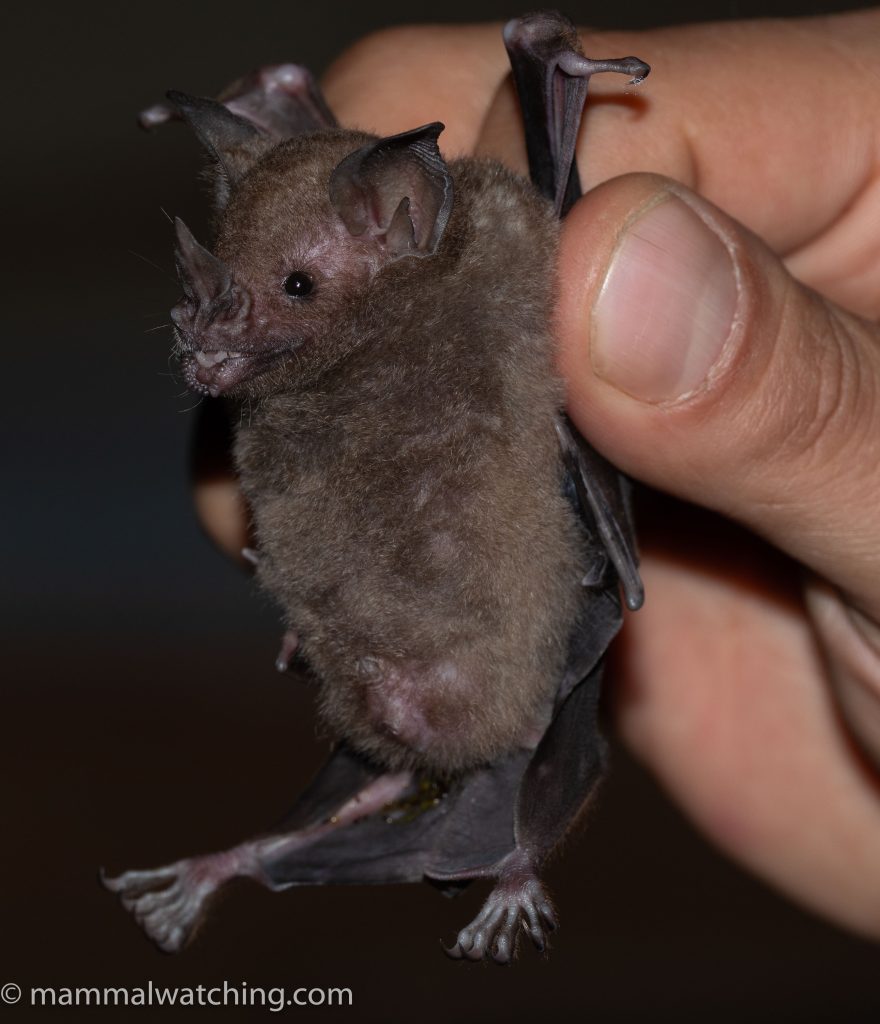
Caught at Selempin.
34. Sowell’s Short-tailed Bat (C.sowelli)
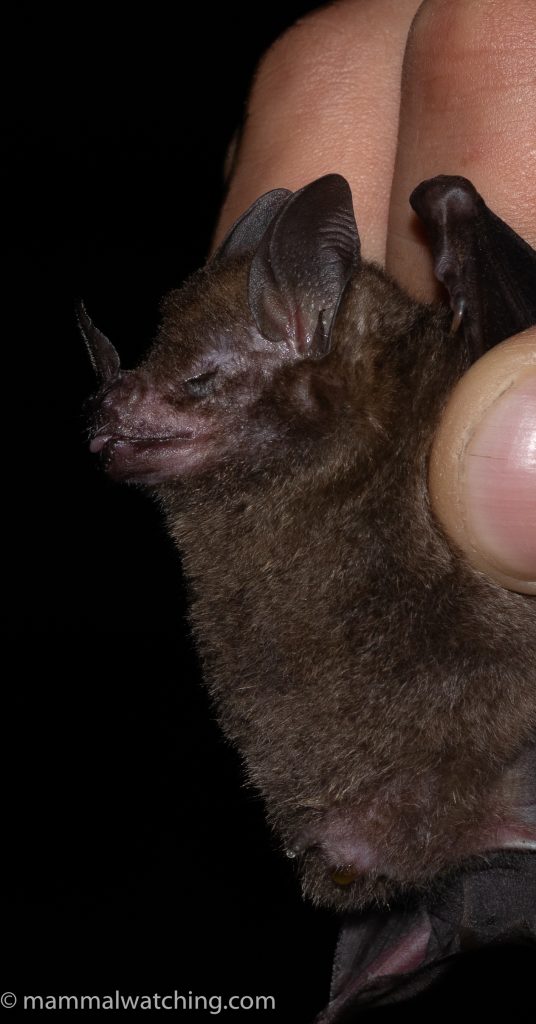
Caught at Selempin.
35. Gray Short-tailed Bat (C.subrufa)
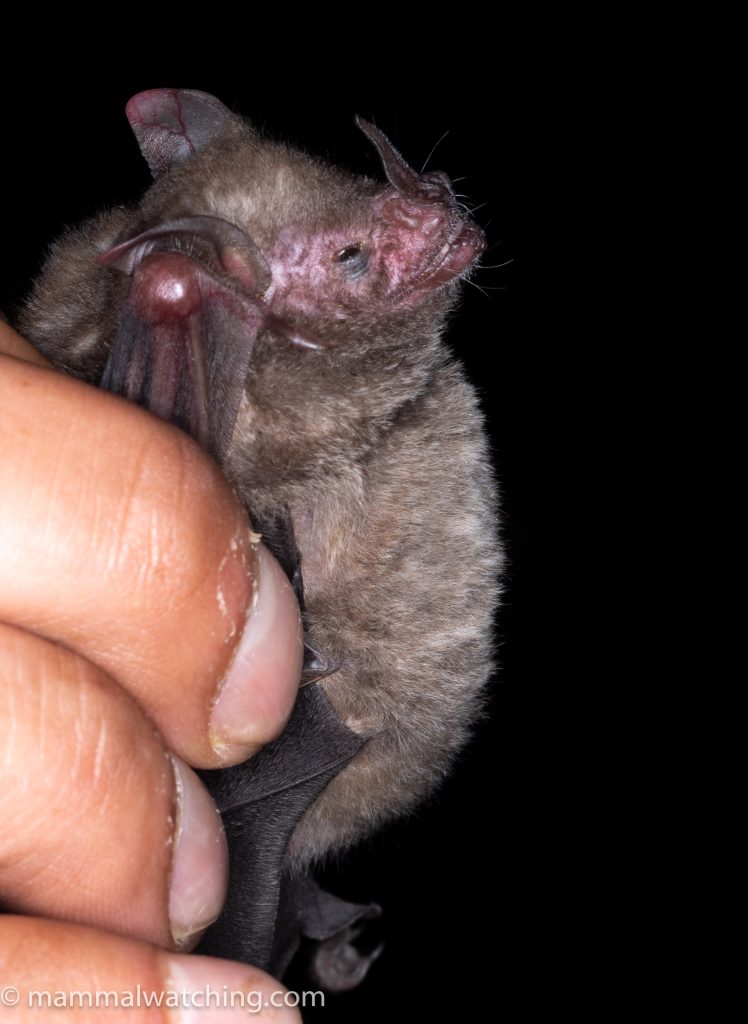
Caught at El Cafetal.
36. Common Vampire Bat (Desmodus rotundus)
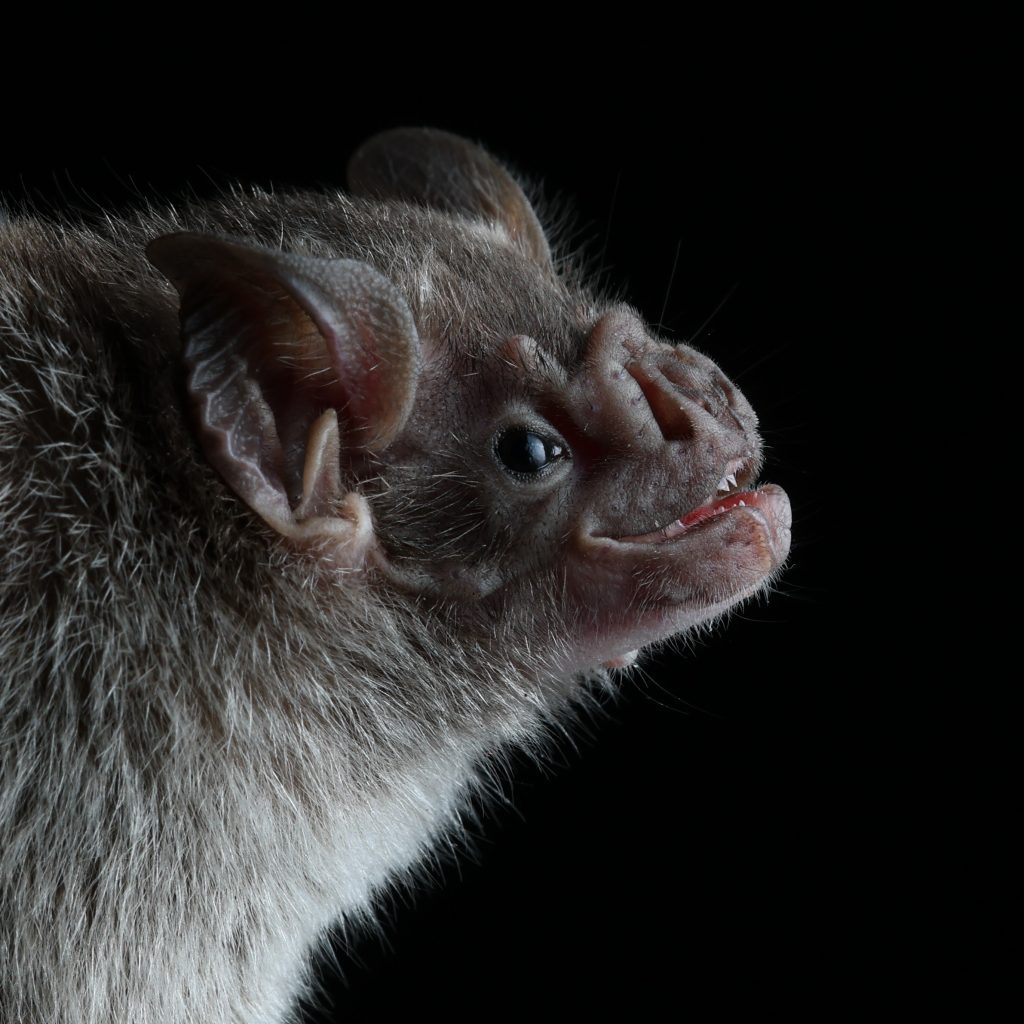
Photo Emma Busk
Caught at El Cafetal.
37. Tschudi’s Tailless Bat (Anoura peruana)
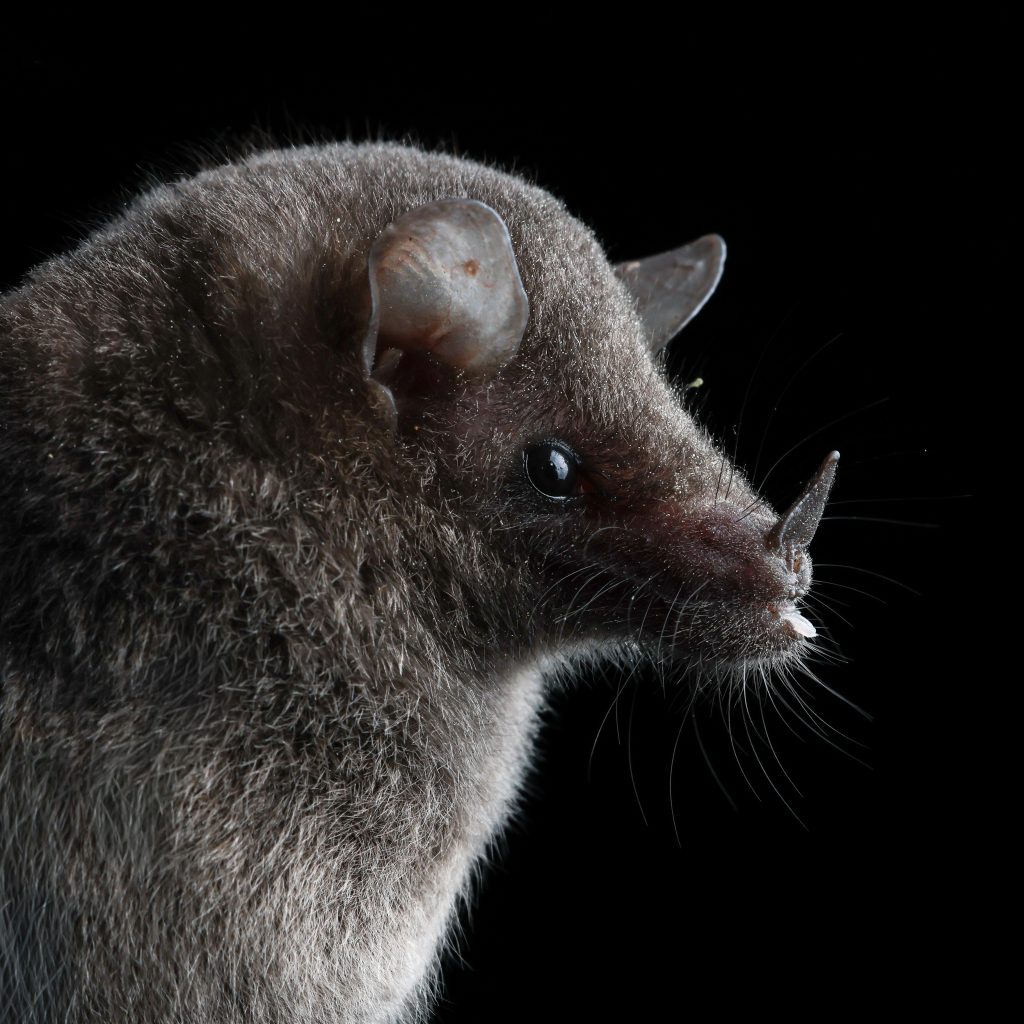
Photo Emma Busk
Caught at Ranchitos del Quetzal.
38. Commissaris’s Long-tongued Bat (Glossophaga commissarisi)
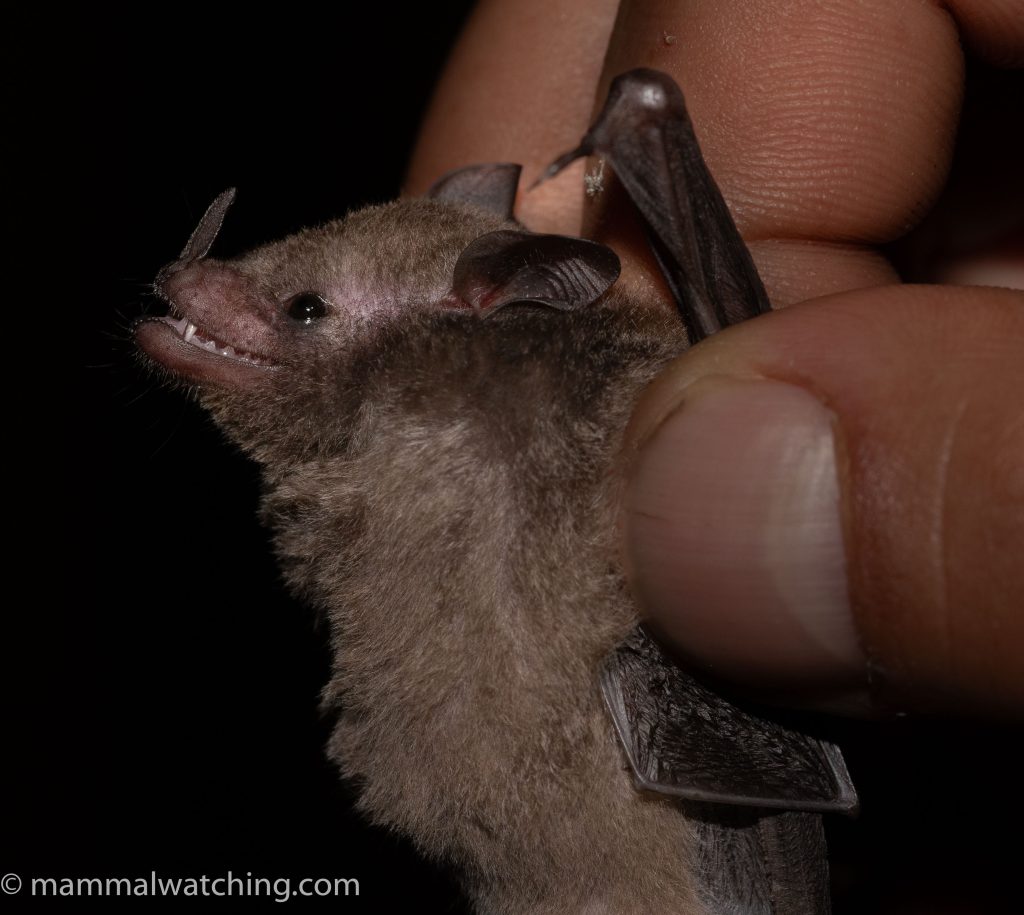
Caught at Selempin.
39. Common Sword-nosed Bat (Lonchorhina aurita)
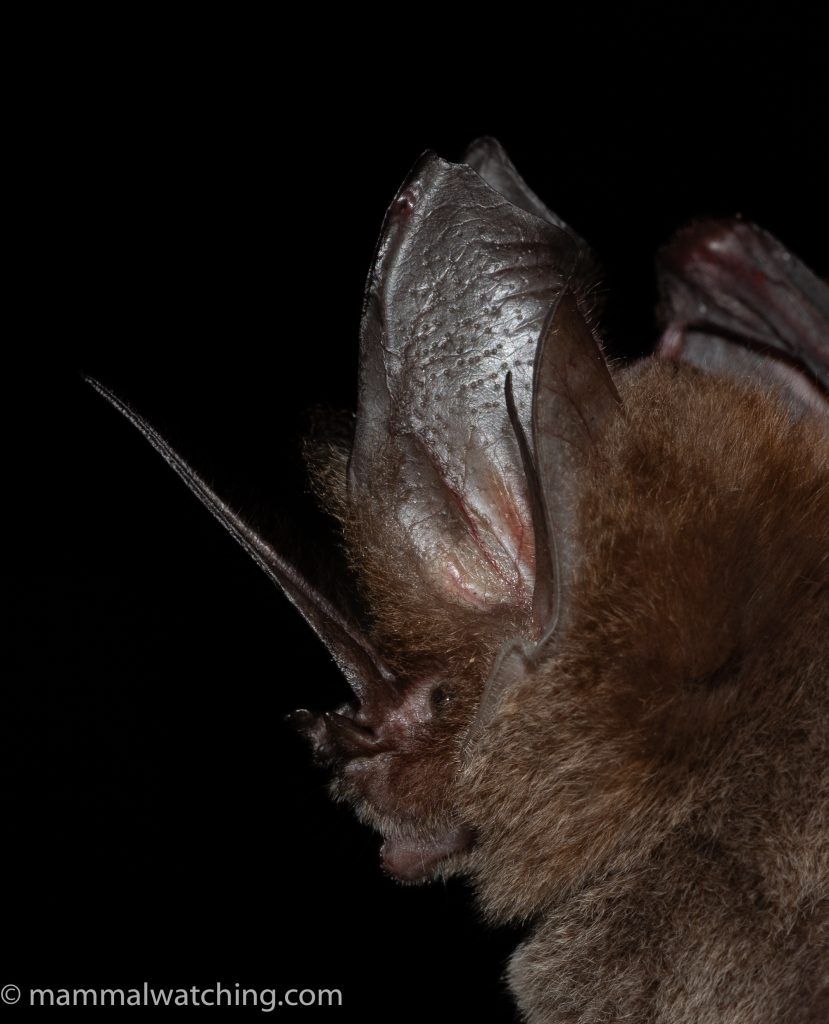
We netted one of these spectacular bats at Selempin.
40. Common Big-eared Bat (Micronycteris microtis)
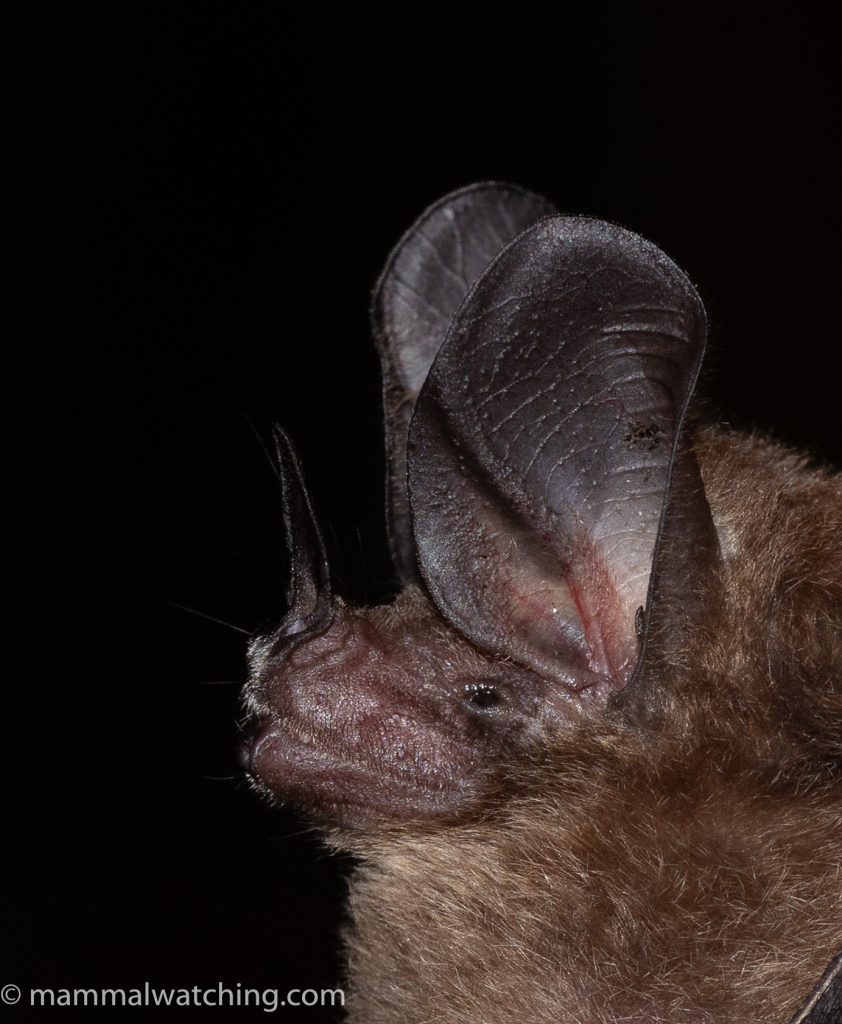
Caught at Selempin.
41. Central American Fringe-lipped Bat (Trachops coffini)
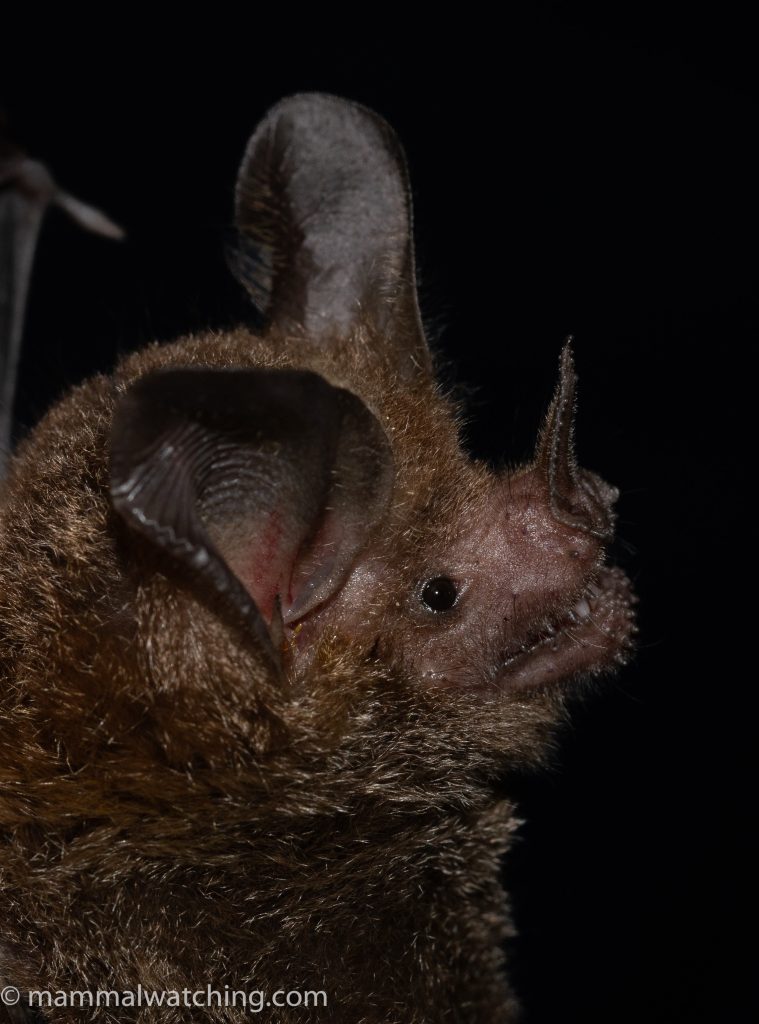
Caught at Selempin.
42. Keenan’s Hairy-nosed Bat (Gardnerycteris keenani) – lifer
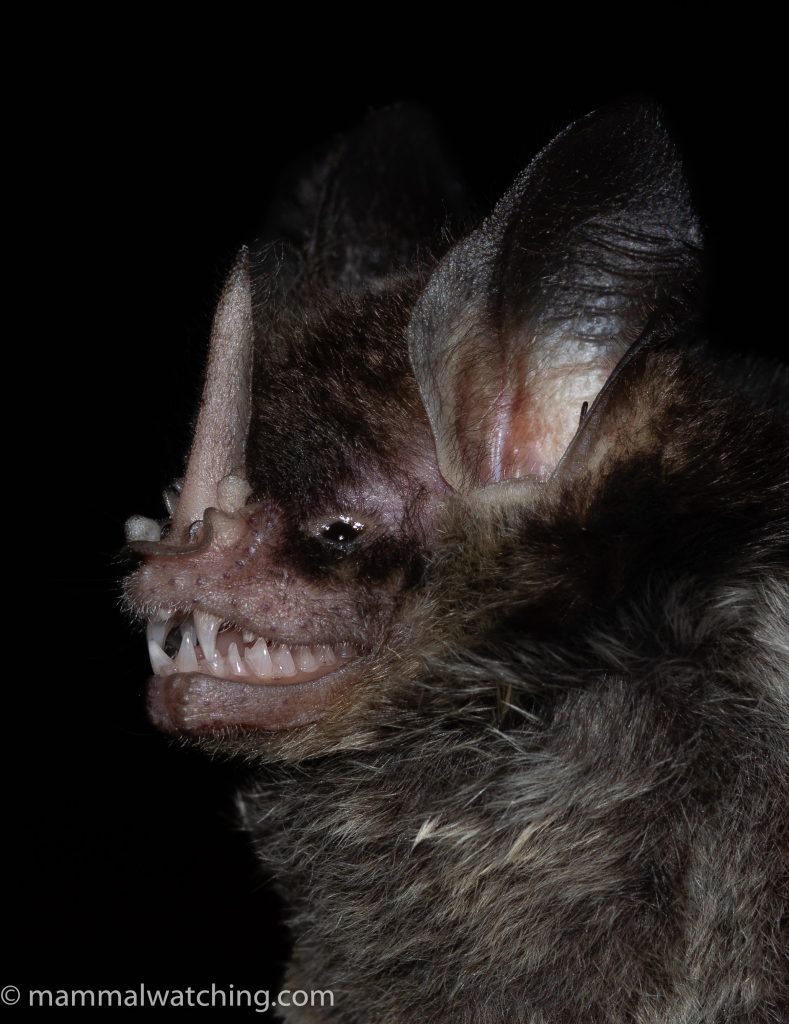
One of the rarer bats we caught at Selempin and a lifer for me..
43. Northern Stripe-headed Round-eared Bat (Tonatia bakeri)
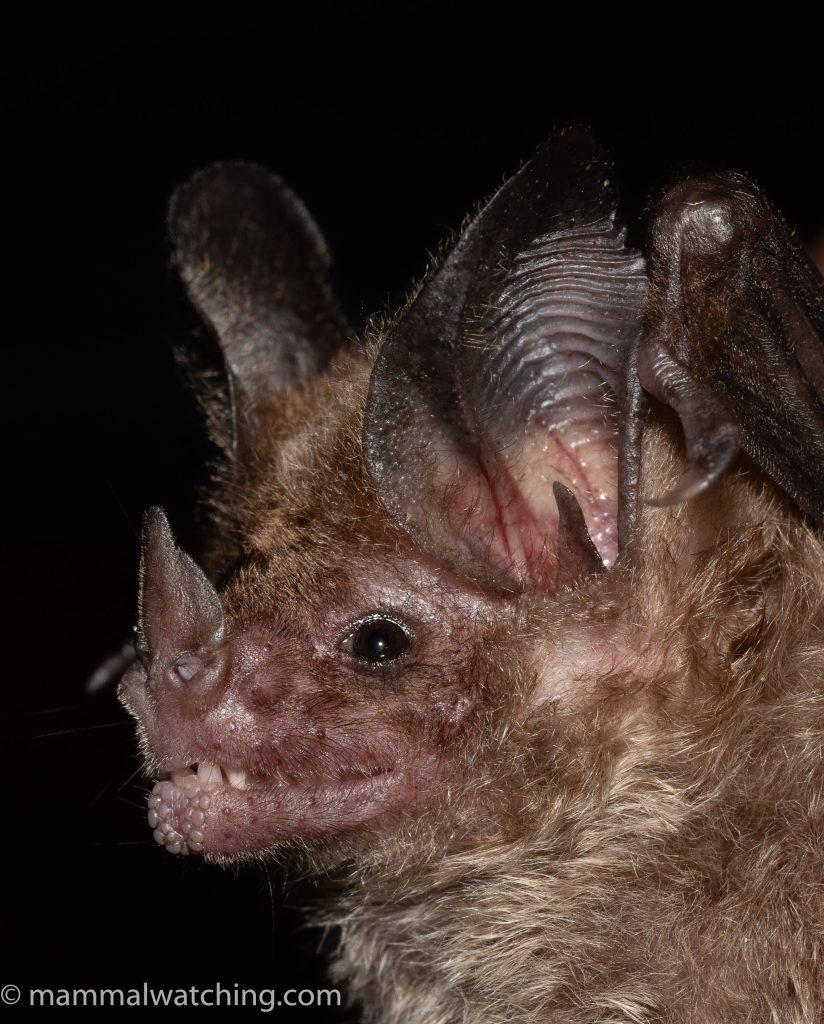
Caught at Selempin.
44. Cozumelan Golden Bat (Mimon cozumelae)
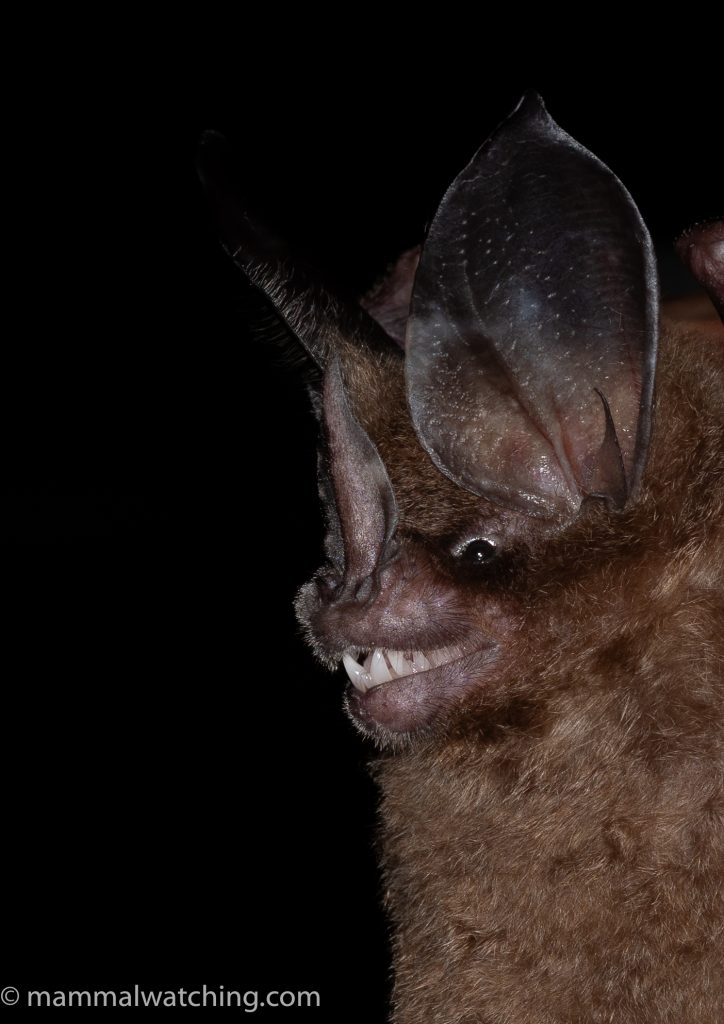
Caught at Selempin. A beautiful bat!
45. Intermediate Fruit-eating Bat (Artibeus intermedius)
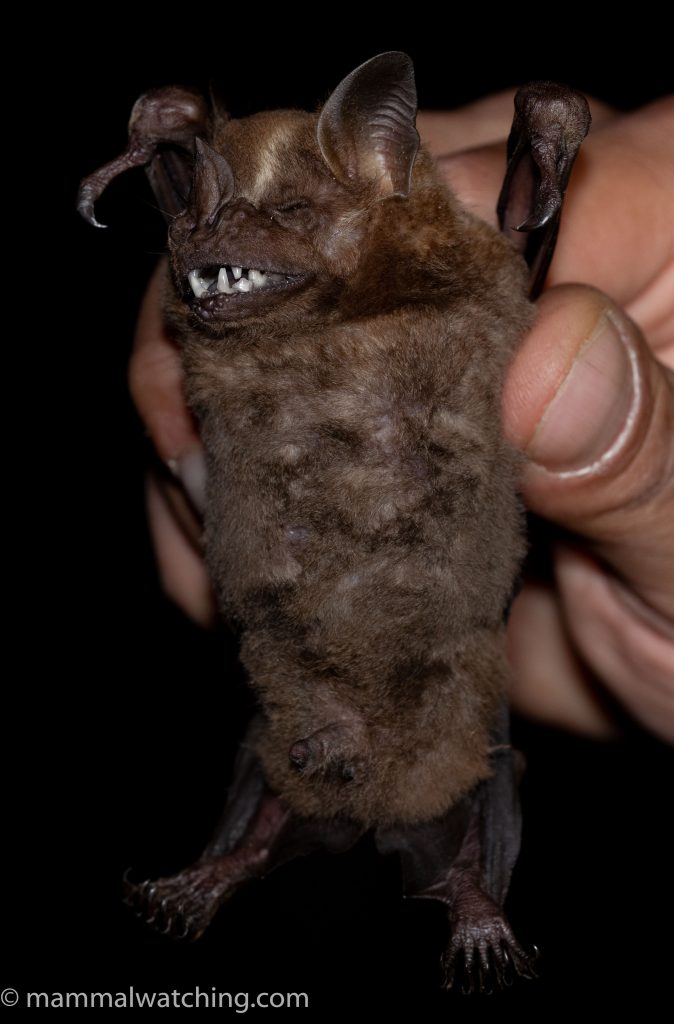
Caught at the Helioderma Reserve,
46. Jamaican Fruit-eating Bat (A.jamaicensis)
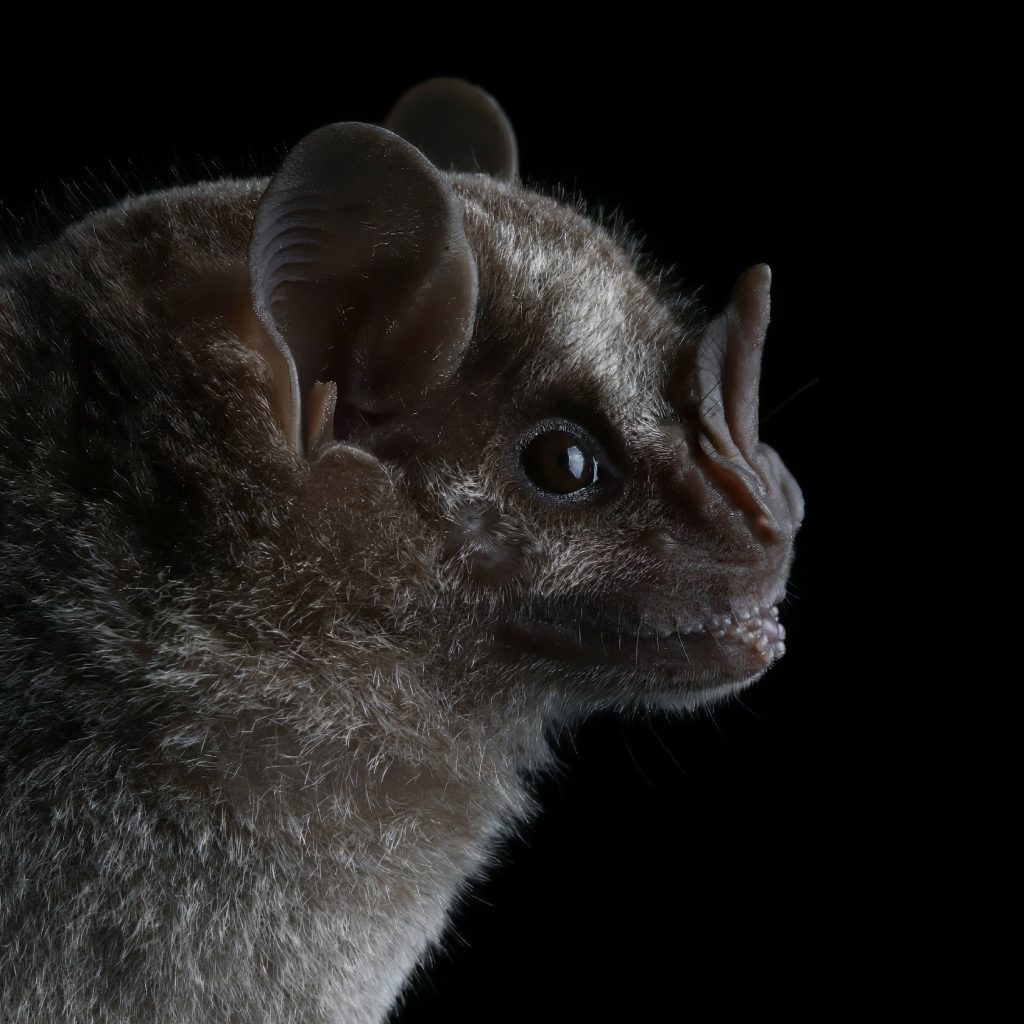
Photo Emma Busk.
Caught at the Helioderma Reserve,
47. Great Fruit-eating Bat (A.lituratus)
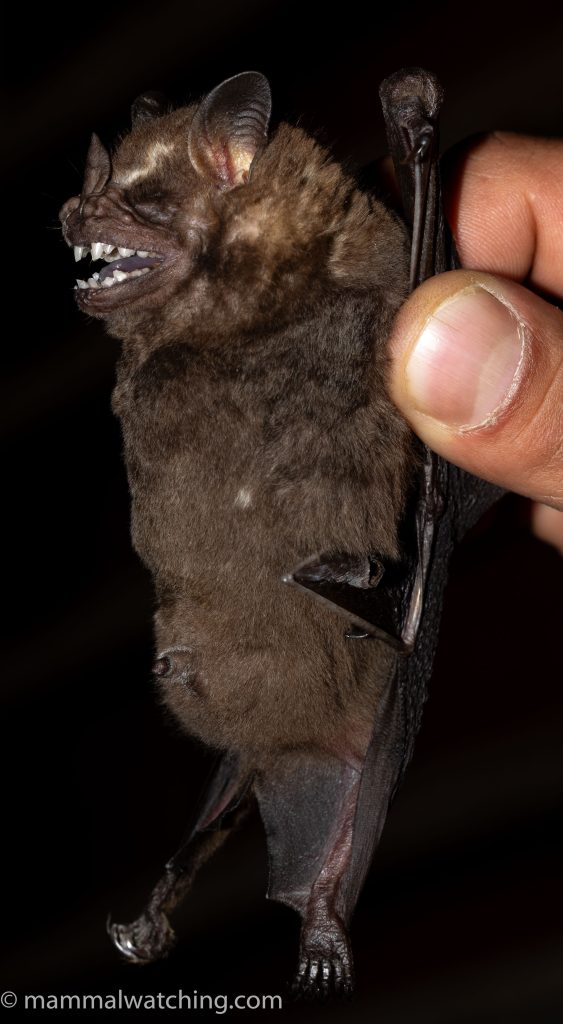
Caught at El Cafetal.
48. Pygmy Fruit-eating Bat (Dermanura phaeotis)
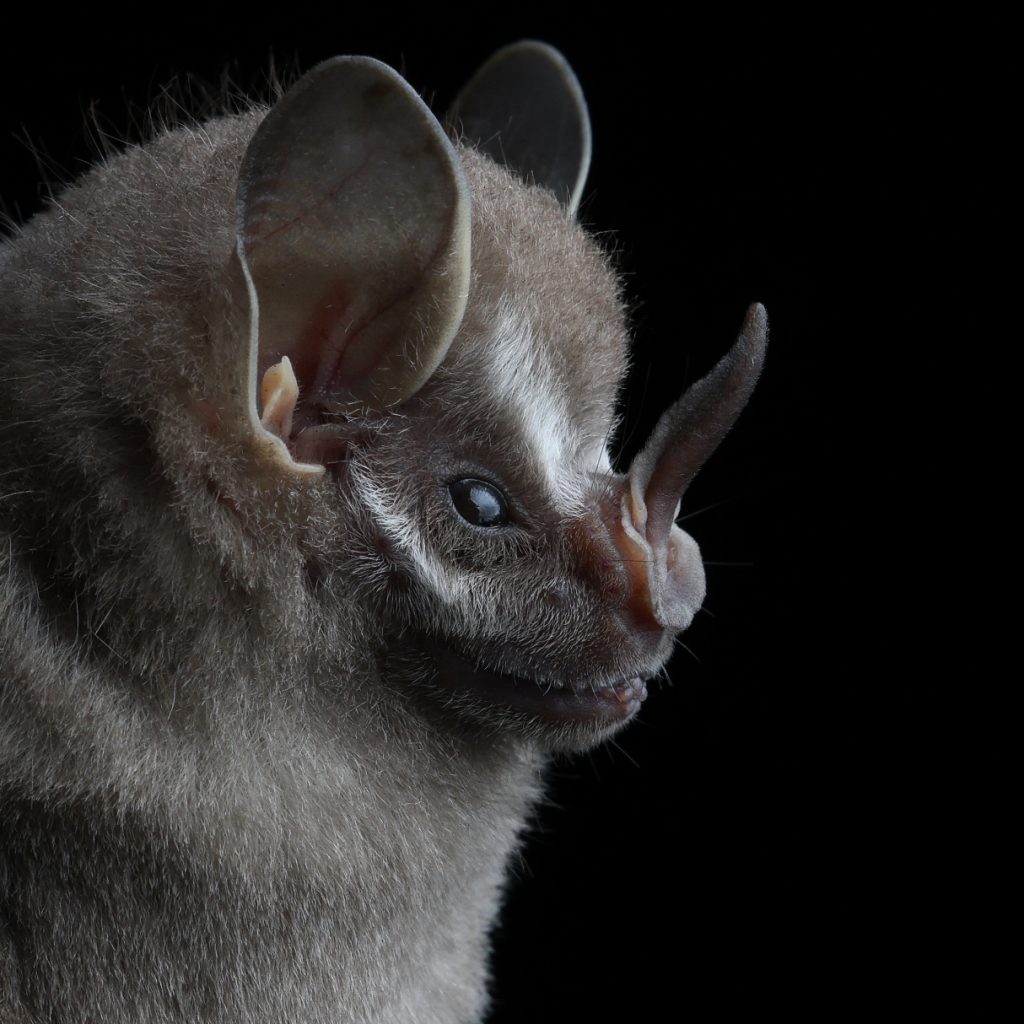
Photo Emma Busk.
Caught at Selempin.
49. Toltec Fruit-eating Bat (D.tolteca)
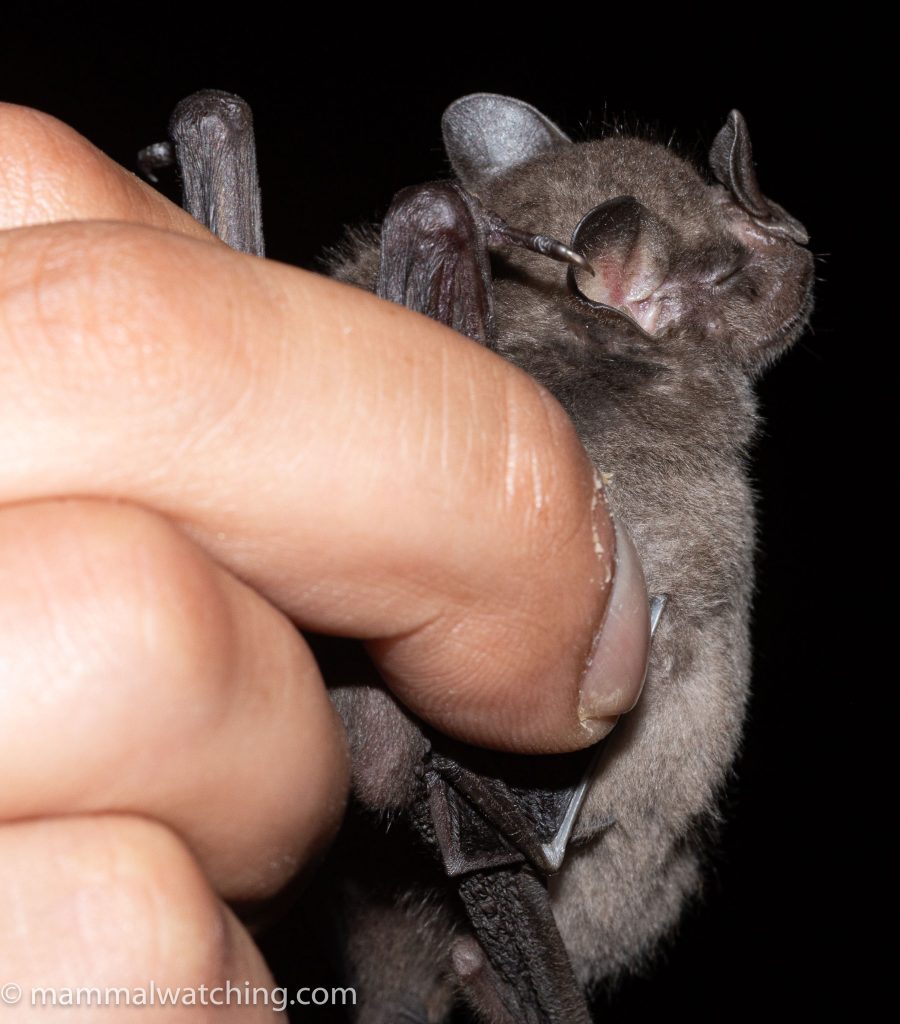
Caught at El Cafetal, Sierra de las Minas and Ranchitos del Quetzal.
50. Thomas’s Fruit-eating Bat (D.watsoni)
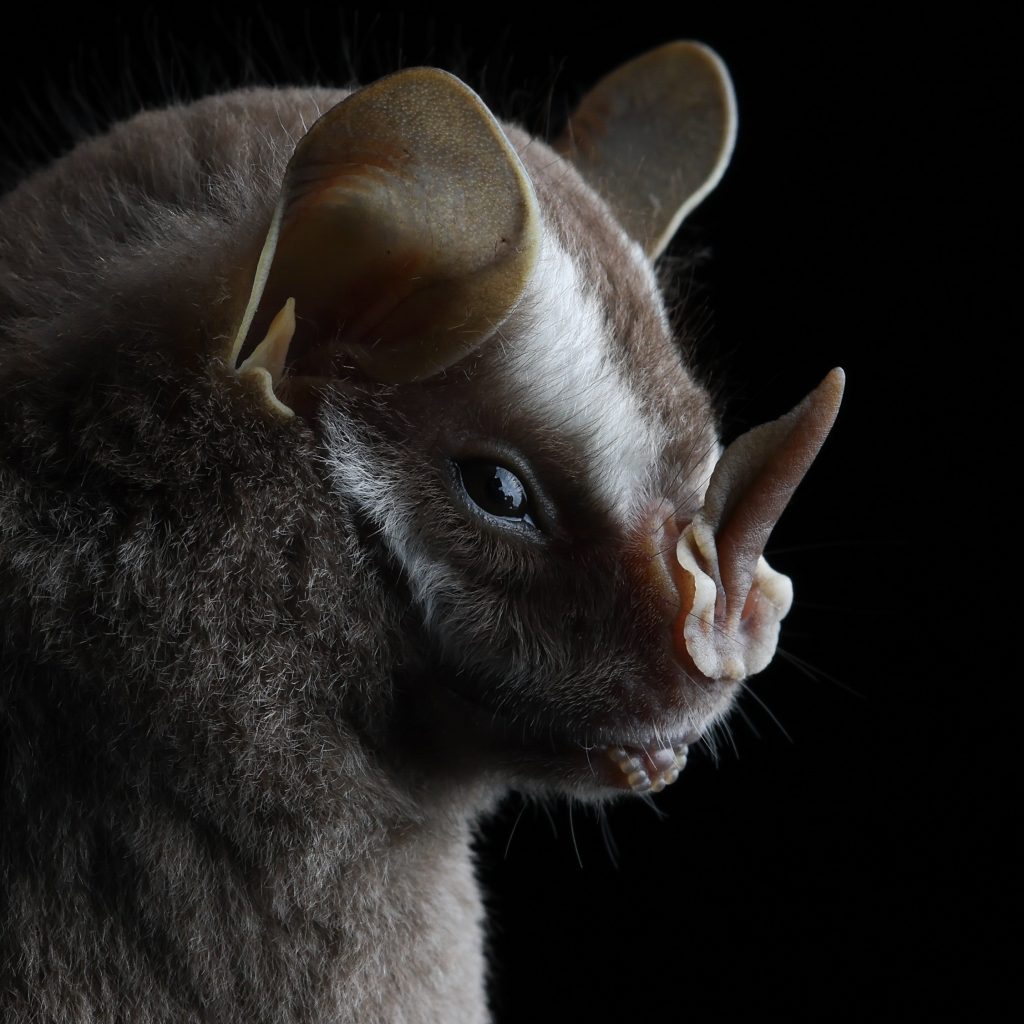
Photo Emma Busk.
Caught at Selempin.
51. Heller’s Broad-nosed Bat (Platyrrhinus helleri)
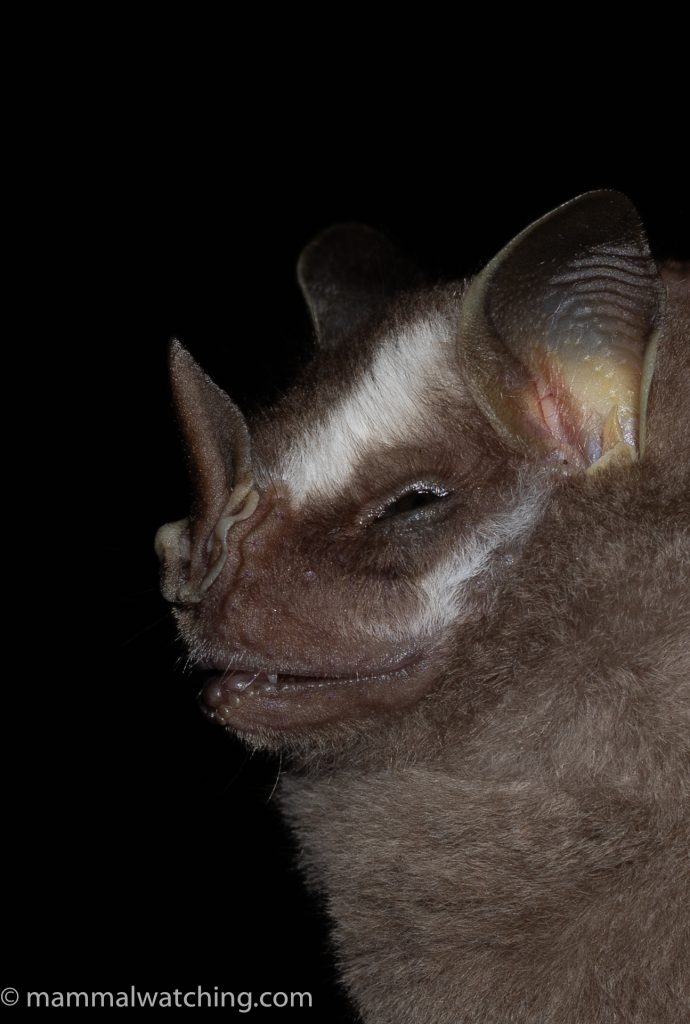
Caught at Selempin.
52. Honduran Yellow-shouldered Bat (Sturnira hondurensis)
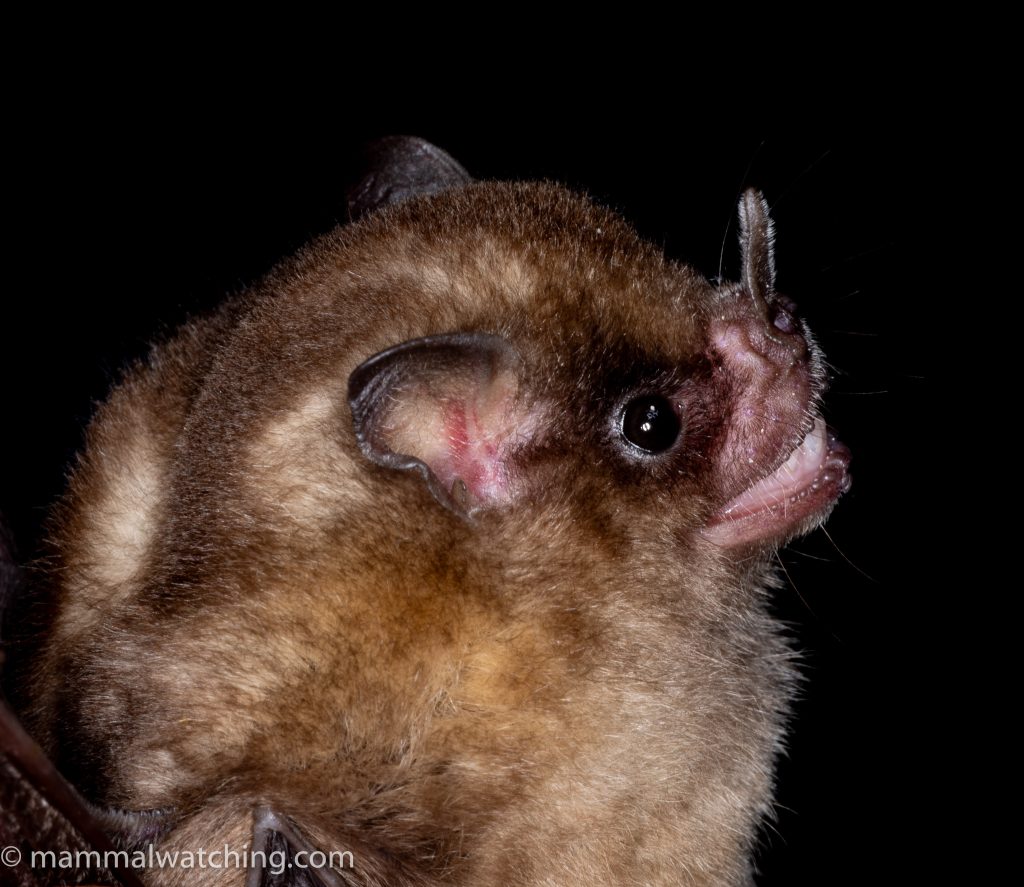
Caught at El Cafetal, Sierra de las Minas and Ranchitos del Quetzal.
53. Northern Yellow-shouldered Bat (S.parvidens)
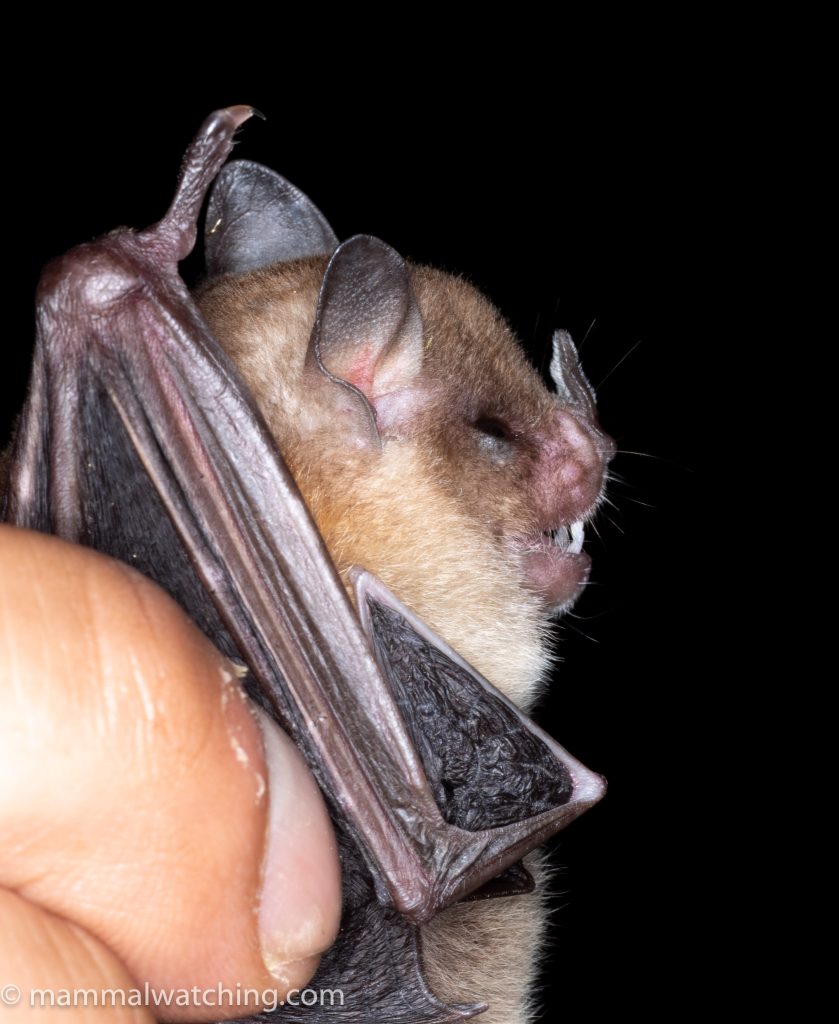
Caught at El Cafetal.
54. Northern Black Mastiff Bat (Molossus nigricans)
Seen in flight at Selempin and the ID was confirmed using Jon’s bat detector.
55. Southwestern Myotis (Myotis auriculus)
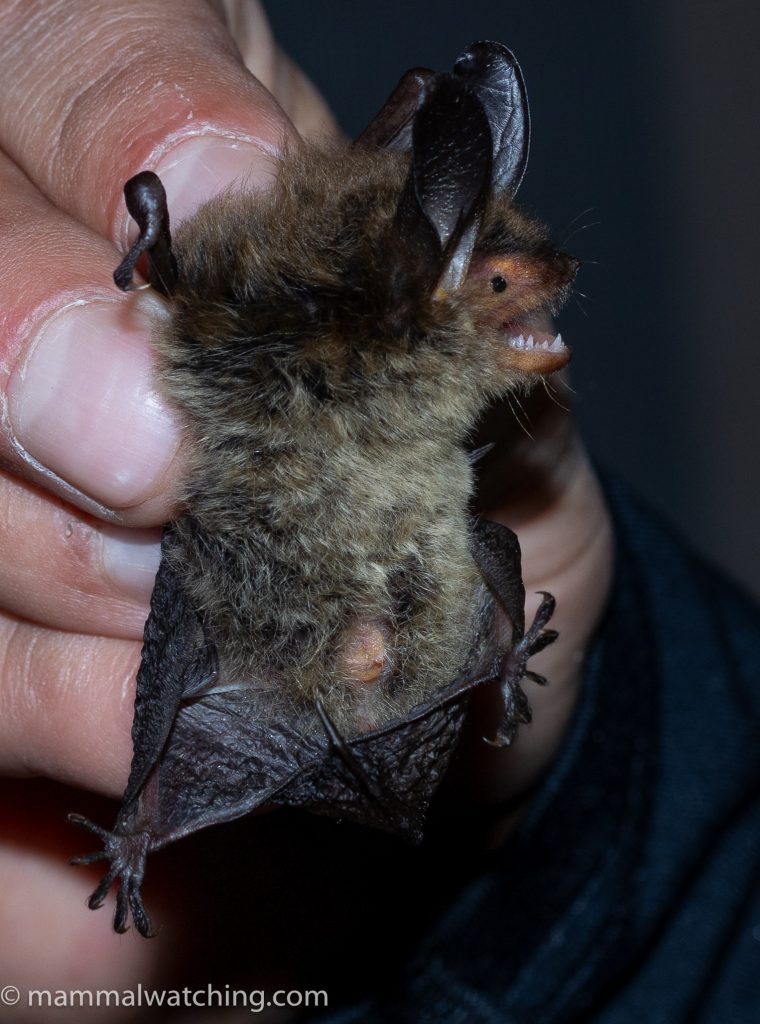
Caught at Sierra de las Minas.
56. Northern Hairy-legged Myotis (M.pilosatibialis)
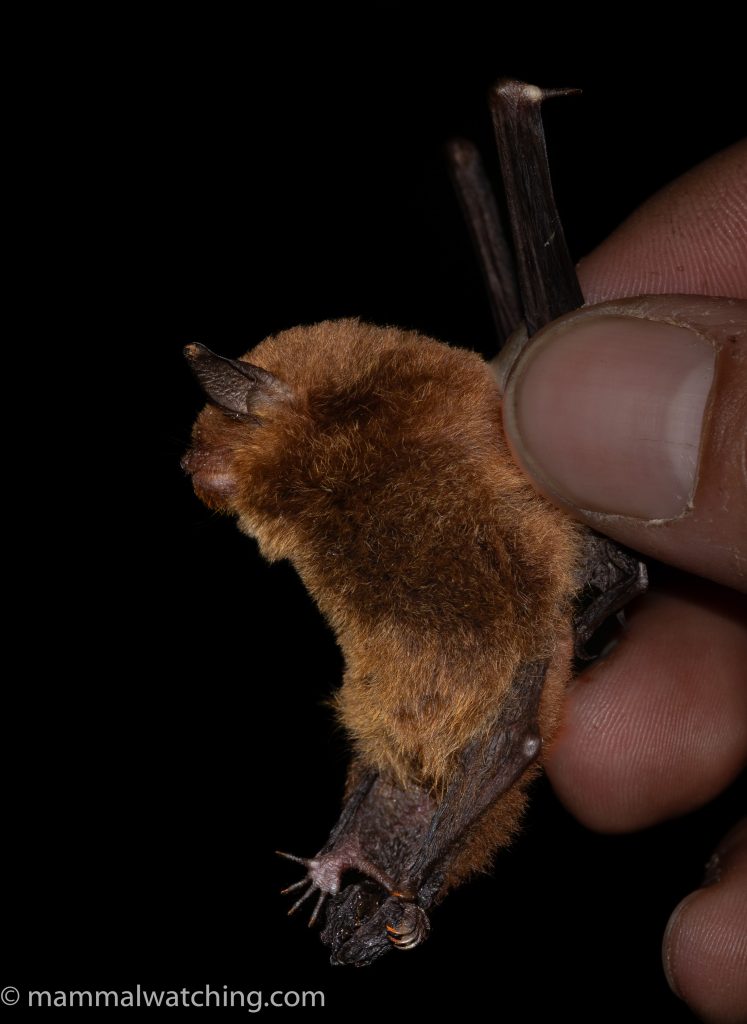
Caught at Ranchitos del Quetzal.
57. Long-legged Myotis (M. volans)
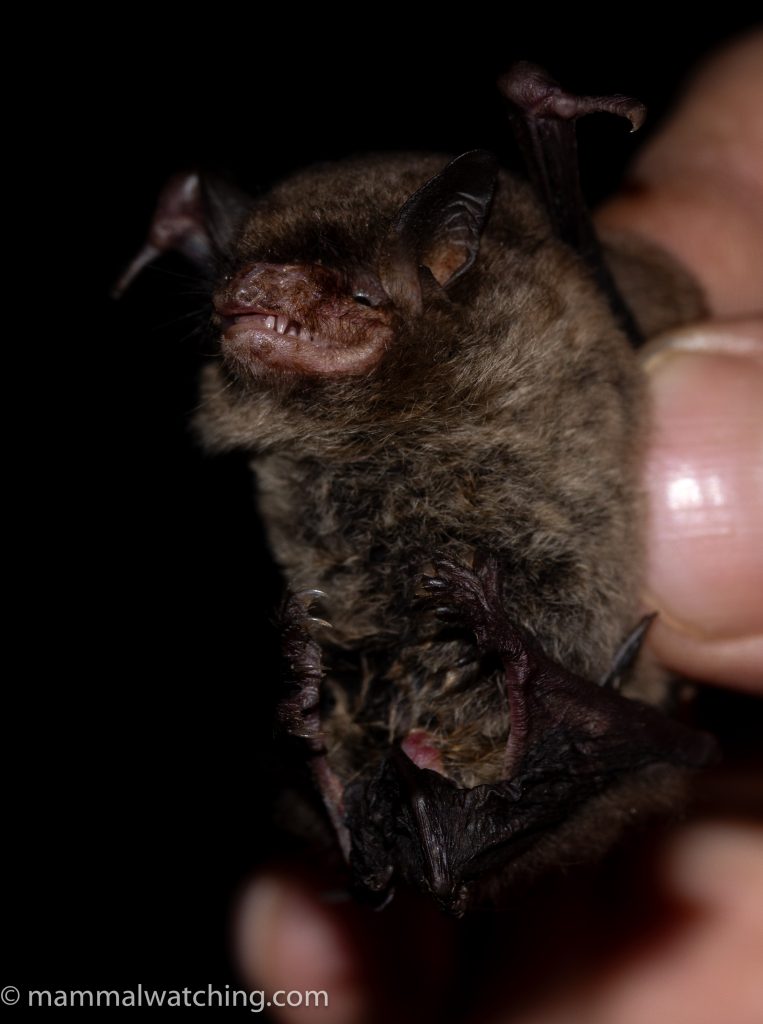
Caught at Sierra de las Minas.
Long-legged Myotis (M. cf. volans) – potential lifer
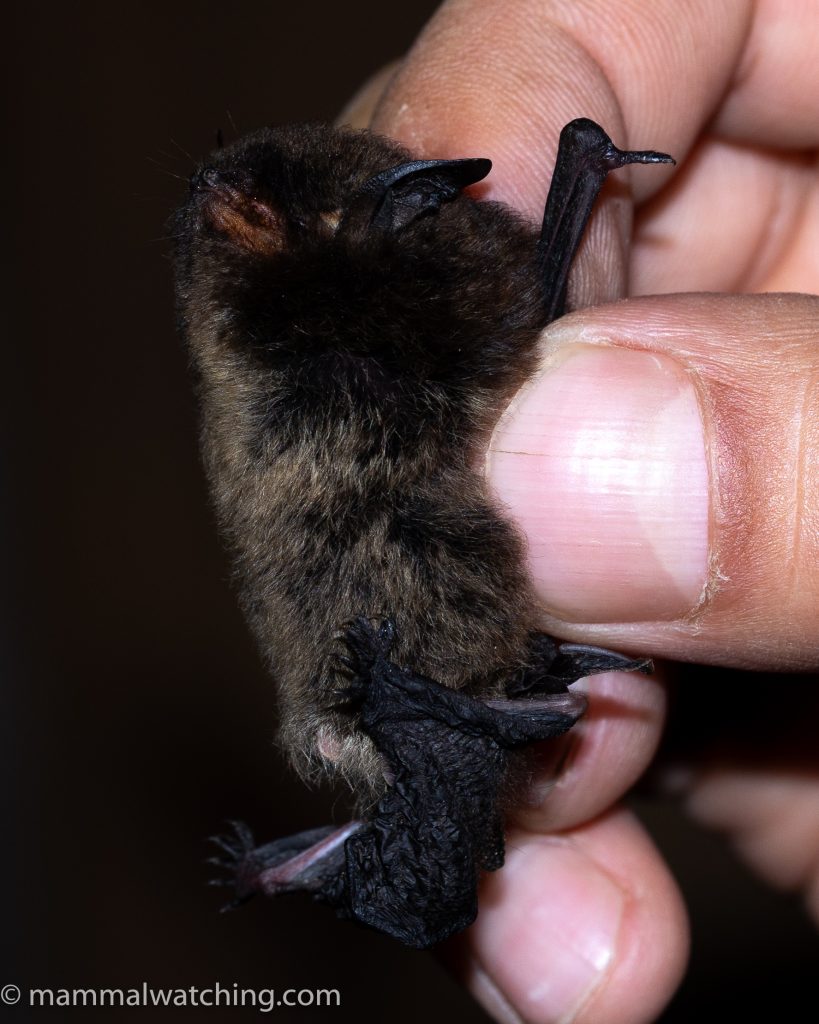
We caught many strange myotis at Sierra de las Minas that I’ve temporarily recorded as cf. volans. They were smaller than a typical volans and had salmon pink facial skin.
58. Menchu’s Yellow Bat (Rhogeessa menchuae) – lifer
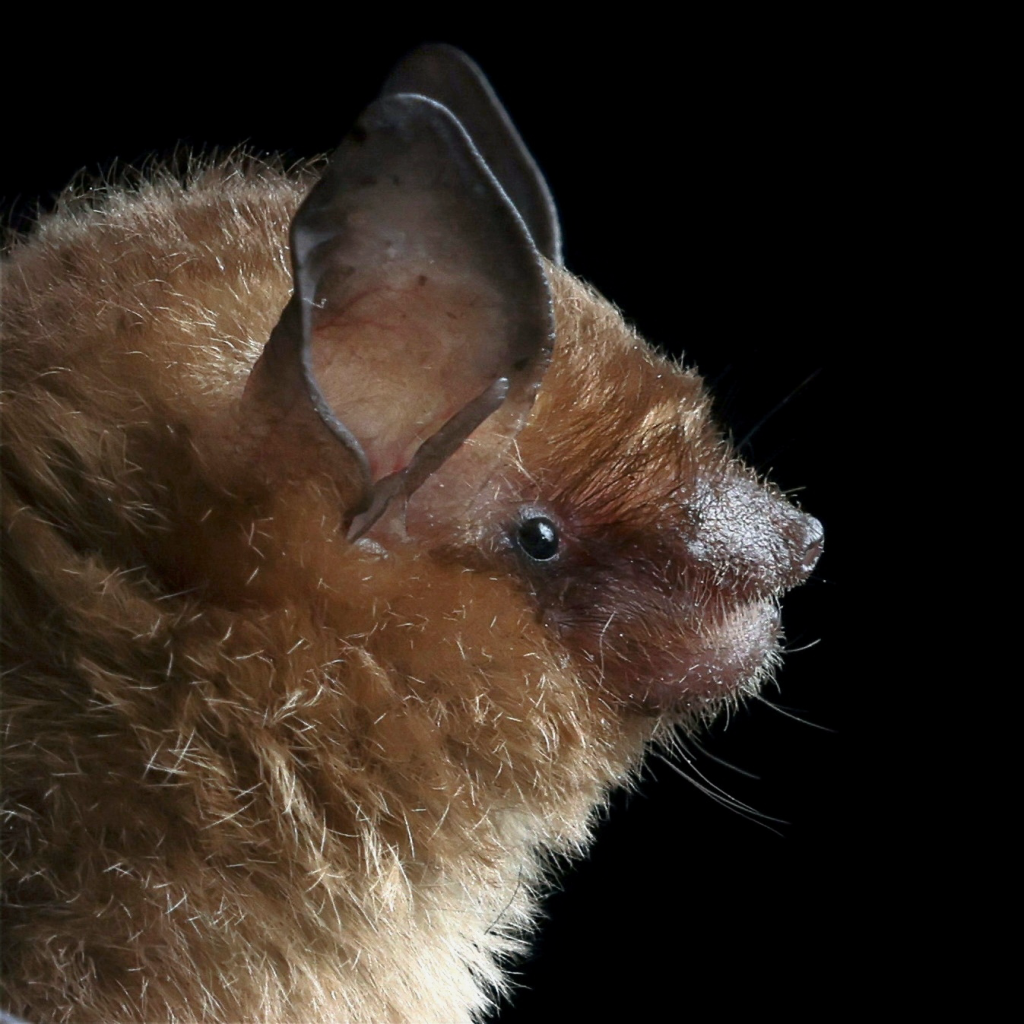
Photo Emma Busk.
We were delighted to catch this very rare bat at the Helioderma Reserve,
59. Desert Red Bat (Lasiurus frantzii)
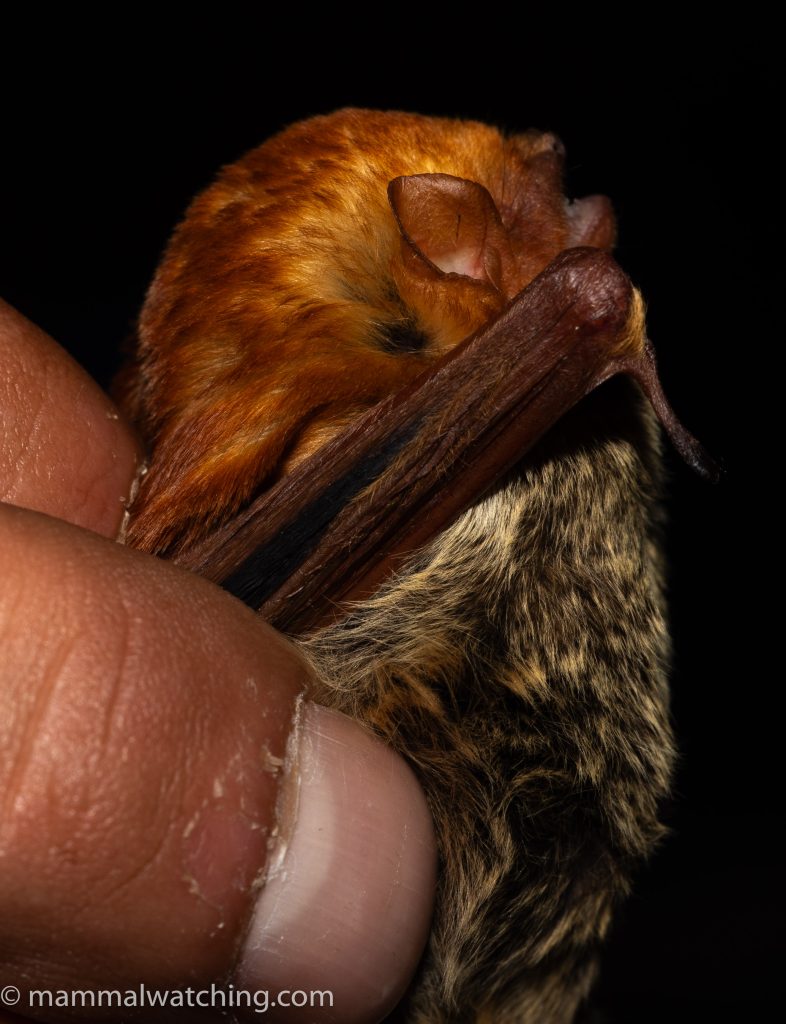
Caught at El Cafetal and Sierra de las Minas.
60. Northern Yellow Bat (L.intermedius) – lifer
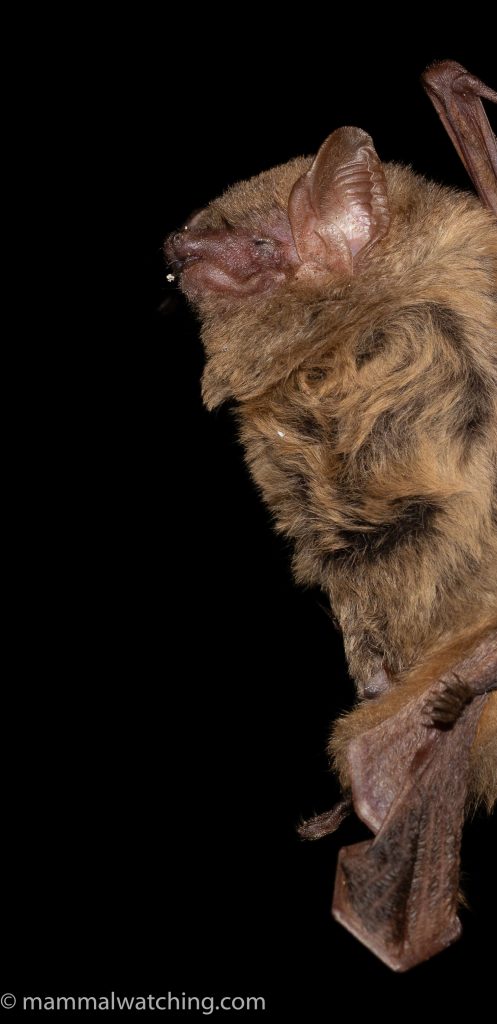
Luis Trujilo caught one by hand at Ranchitos del Quetzal.
61. Big Brown Bat (Eptesicus fuscus miradorensis)
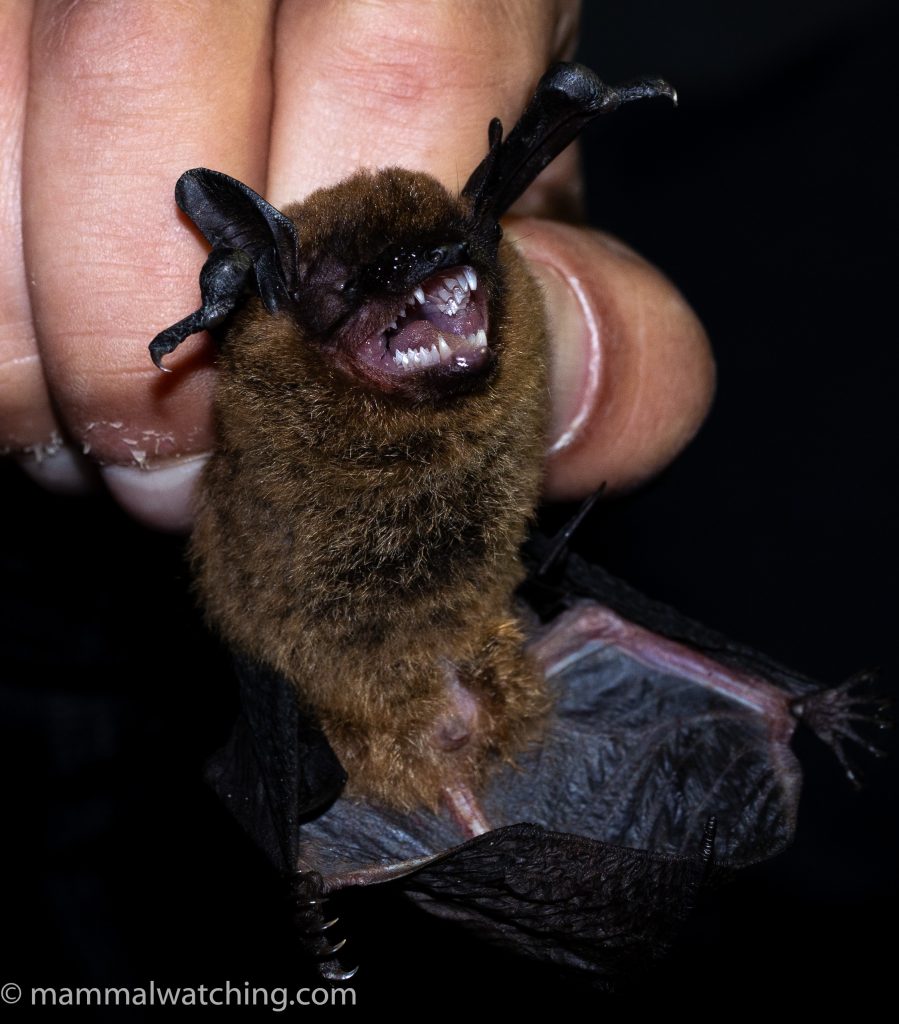
We caught this subspecies of Big Brown Bat at Sierra de las Minas. Central American animals may be split to E. miradorensis.
62. Hooded Skunk (Mephitis macroura)
Most people saw a skunk crossing the road in front of the bus near Cuchumantes on our last night.
63. Cacomistle (Bassariscus sumichrasti)
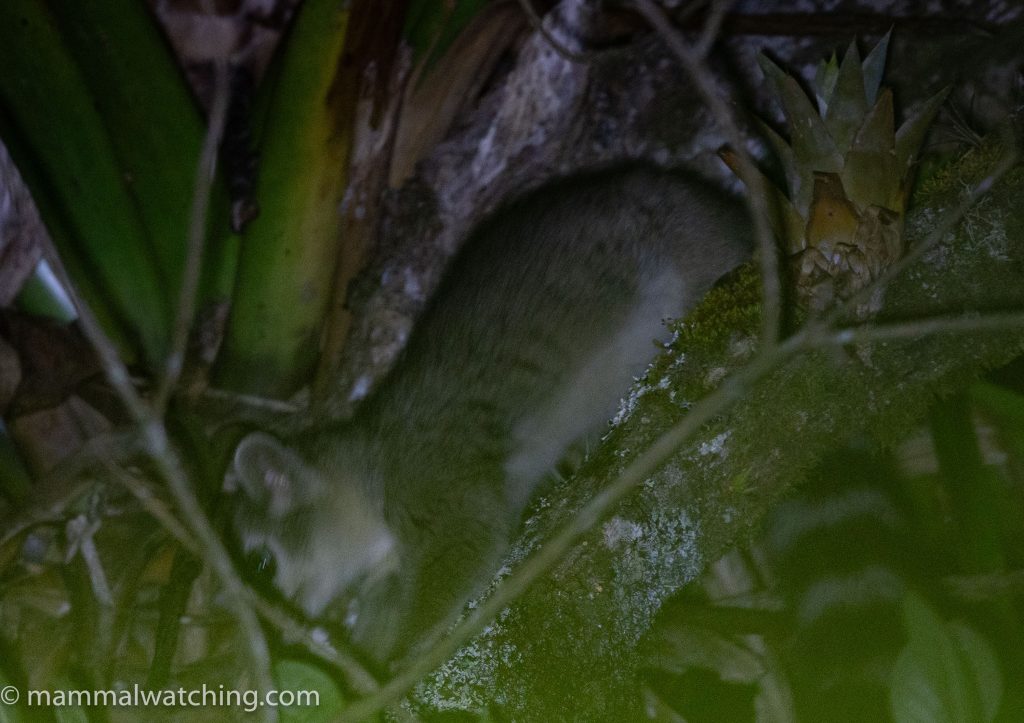
A long night walk at Ranchitos del Quetzal eventually produced an animal which we heard, Emma spotted and I failed to photograph!
64. Northern Gray Fox (Urocyon cinereoargenteus)
Jon Swenson saw an animal in Cuchmantes while we were failing to catch bats.
65. Coyote (C.latrans)
Jon Swenson saw an animal in Cuchmantes while we were failing to catch bats.
15 lifers (plus another 5 hopefully in the pipeline)
Final Thoughts
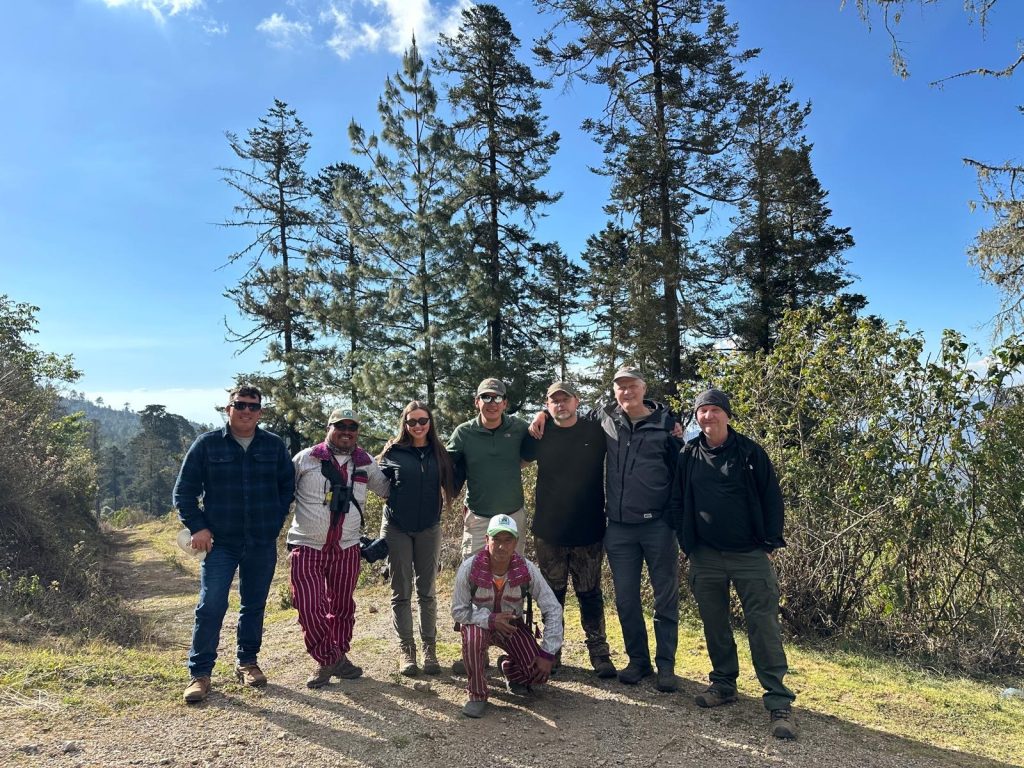
I wasn’t sure what to expect, beyond thinking Guatemala would be fun. The trip blew those expectations out of the water.
Guatemala is a lovely country, at least once you can escape the traffic in Guatemala City. All our local guides were excellent and Luis Trujilo Sosa is the perfect choice to organize a trip here: he is passionate about conservation and could not have worked any harder to make our 10 days so successful. And neither could the two Nicaraguans – José and Luis Enriquez – who worked as hard as ever. They are an elite tag team in the field. If an animal manages to get past these two it deserves its freedom!
Finally a big thanks to the rest of the group who were always cheerful, unfailingly good company and who all contributed so much to the trip including many of the photos here (in particular thank you Charles Hood and – to prove I am over the whole herpergate thing – Emma Busk (and check out Emma’s bat photography on Instagram @Emmabuskk).
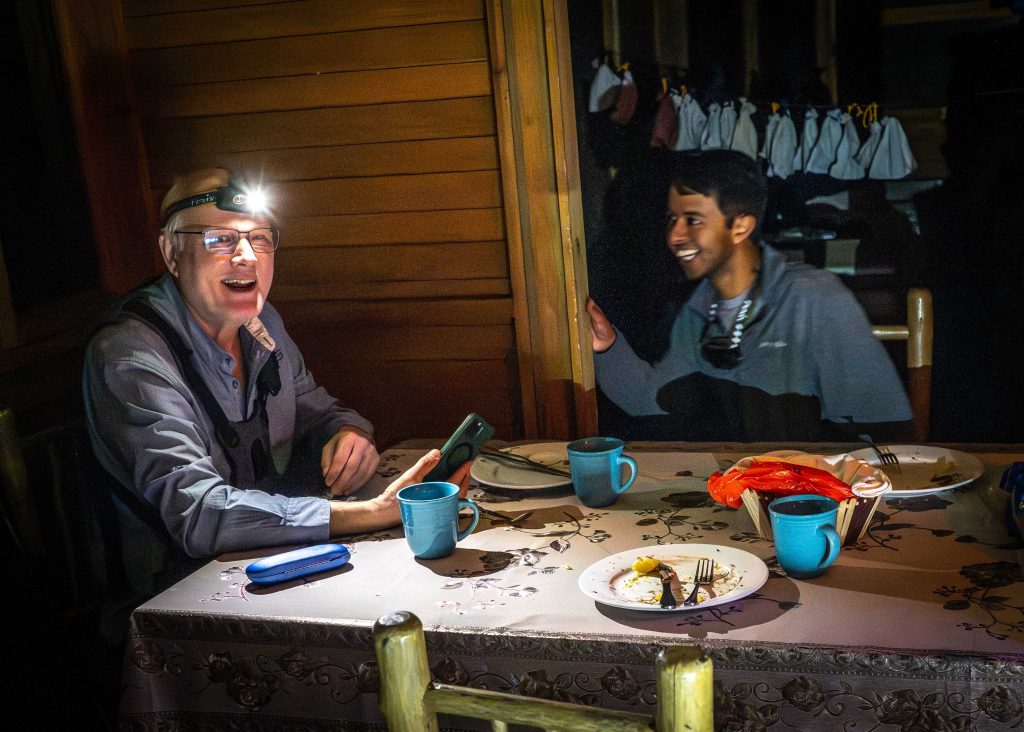
Ian and Venkat in lifer heaven. Photo Charles Hood.
I am convinced that these sort of mammalwatcing research trips have a big future ahead of them. Not only do they offer participants the chance to adventure into unexplored areas and see a ton of new mammals but they also helps fund local researchers carry out important fieldwork. The good news is that José is planning to run more of them to different areas and I intend to be on every single one.
You can follow José on Instagram at @josegabrieldwildlife to keep informed about future trips or just marvel at his photography.
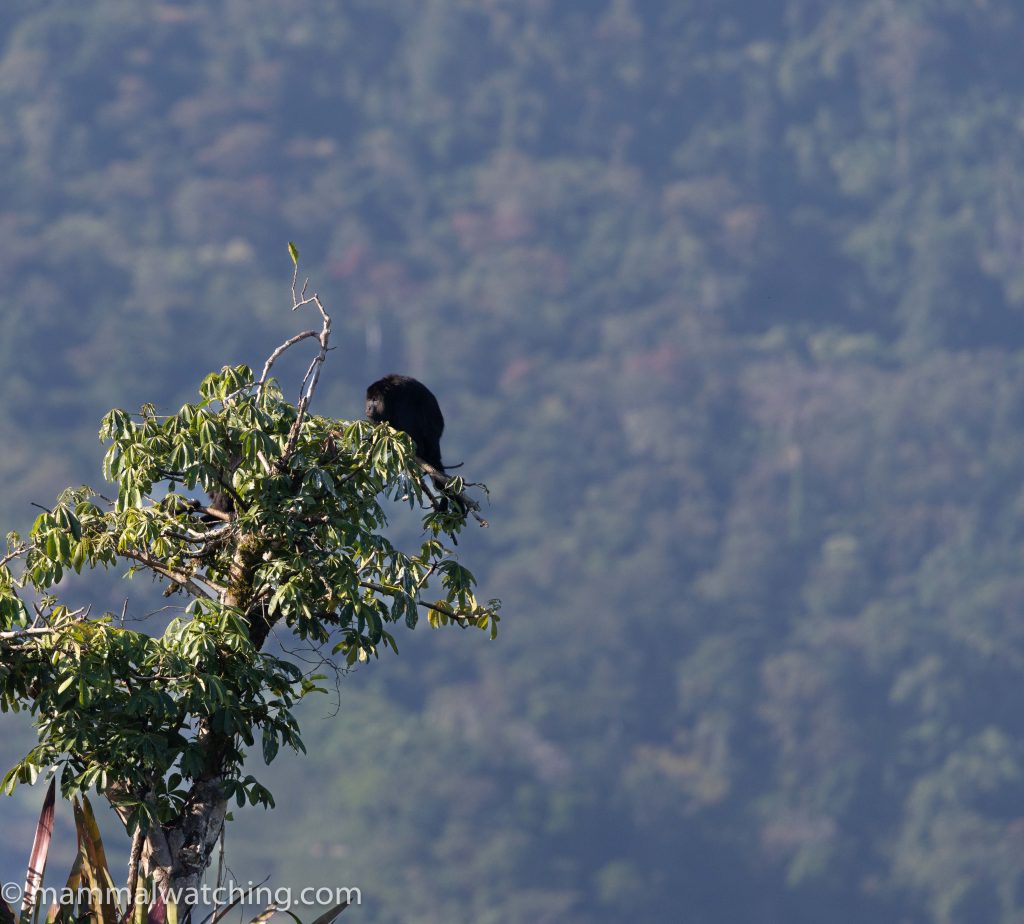
Central American Black Howler (Alouatta pigra)

Post author
4 Comments


Leave a Reply
You must be logged in to post a comment.
charleswhood
Thank you for writing this up Jon Hall, and thank you to Jose Gab and the crew for such selfless work. When I went to Tikal after this trip, I was told by a security guard that I had missed a jaguar by less than five minutes. // ch