

A Day in Guangxi (China), 2026
The fourth leg of my China tour had me flying to Nanning to meet another leading Chinese mammalwatching, Zhou Fangyi. Zhou, an elephant researcher working in Yunnan, has been following this website for a while and it was great to finally meet him. He had offered to visit Guangxi with me to search for two key species that would be lifers for both of us: White-headed Langur and Northern Pygmy Slow Loris.
I landed in Nanning in the evening, and after a night at a hotel close to the airport we went in search of the primates.
Bapen District of Chongzhou White-headed Langur National Nature Reserve
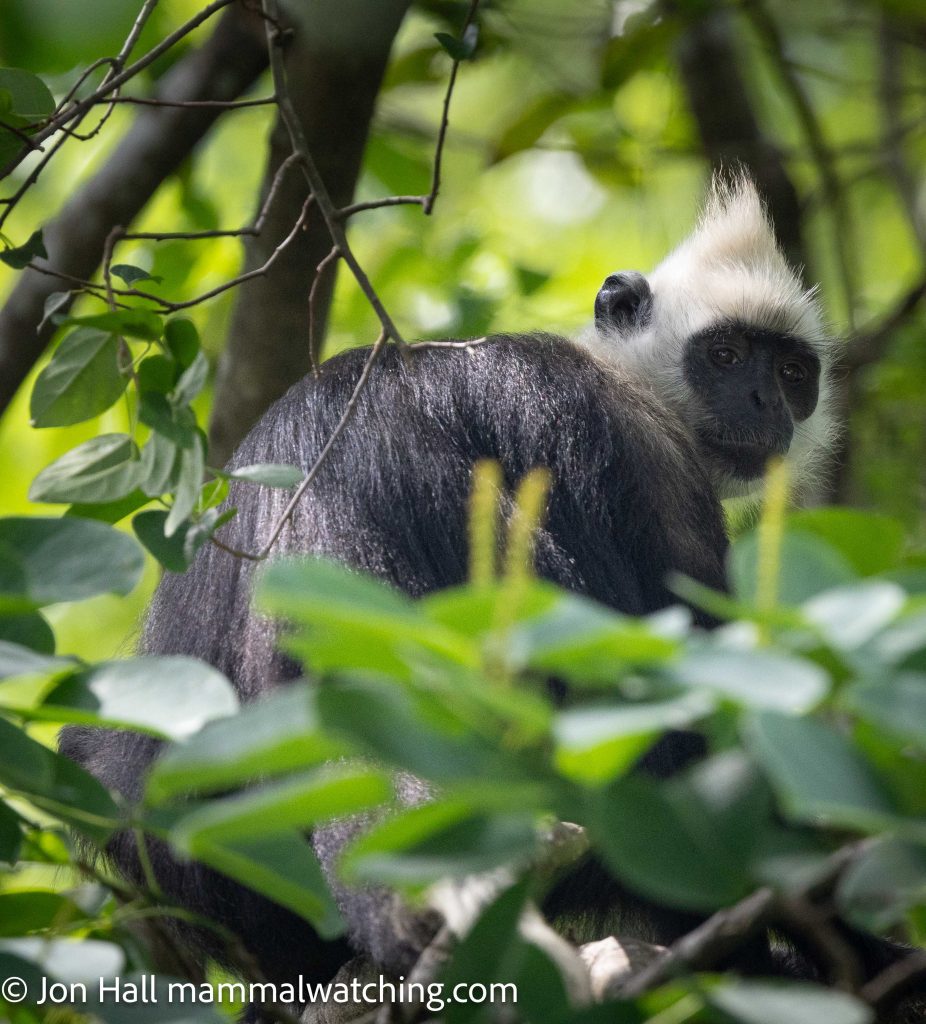
White-headed Langur (Trachypithecus leucocephalus)
Our first stop was the Bapen District of Chongzhou White-headd Langur Reserve, a protected area less than an hour’s drive from Nanning.
There seem to be two reserves near Nanning where you can see the critically endangered White-headed Langur.
Cheryl Antonucci saw the langurs at the Guangxi Chongzhou White-headed Langur National Nature Reserve . This is a different reserve with many more tourists. From reading her report it seems you may get better photos of the langurs here but Zhou felt the monkeys in our site might feel a bit more wild.
The habitat in both reserves is very similar. Forested limestone karst with crops growing on the land between.
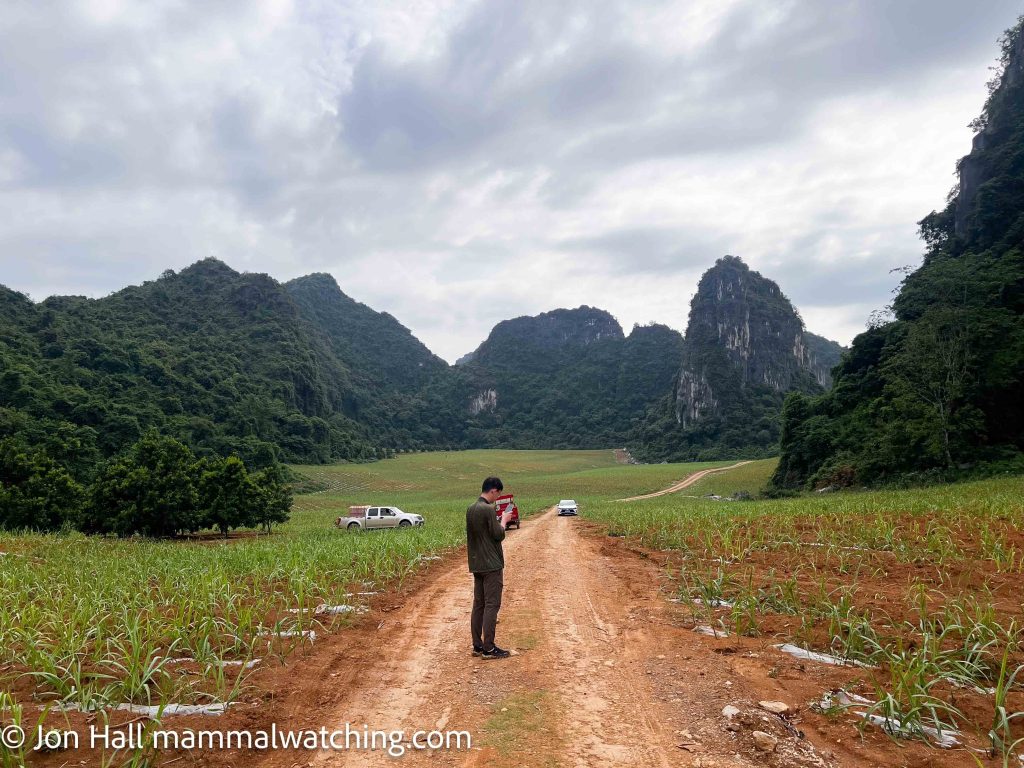
Zhou Fangyi in the reserve
There was no tourist infrastructure at all here, other than an information board.
I had assumed that this was the reserve Cheryl had visited, so as we drove in I didn’t search too carefully for the monkeys. I was waiting for the visitors centre and the open air buses.
But as we approached the end of the road I realized we were somewhere else. I took out my thermal scope and spotted quickly the first langurs. Zhou said there were more than 500 langurs within this 17 square kilometre reserve. The farmers seem to leave them alone as they don’t raid the crops, unlike the macaques that also live here,
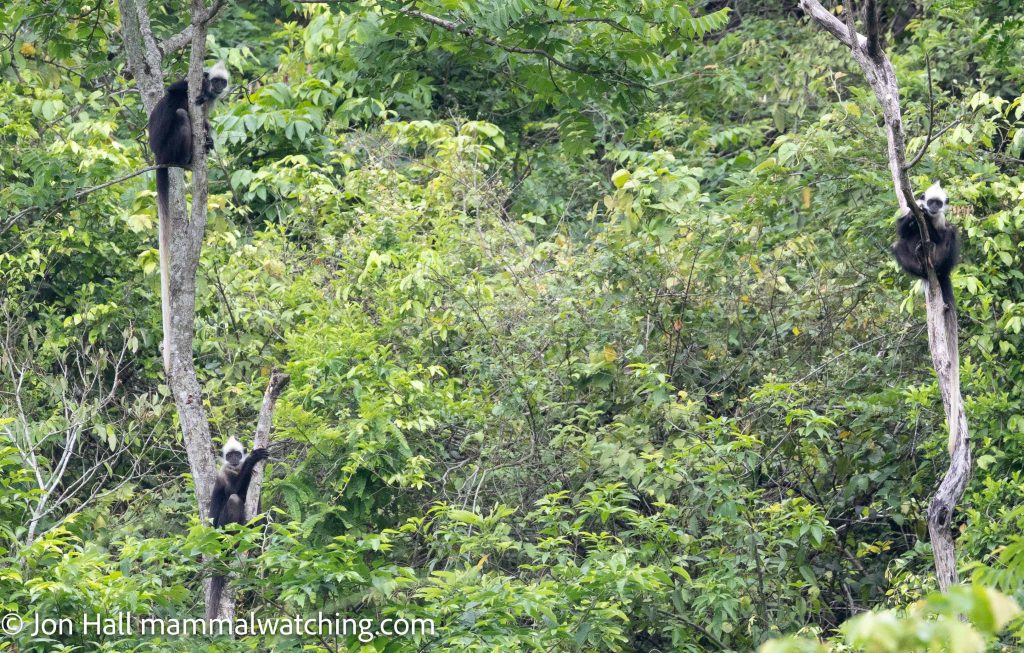
White-headed Langur (Trachypithecus leucocephalus)
We saw several family groups in an hour or so. All the animals were quite wary and if we tried to approach within a hundred metres they retreated.
As we left the reserve a family were right by the information board and were a little more relaxed.
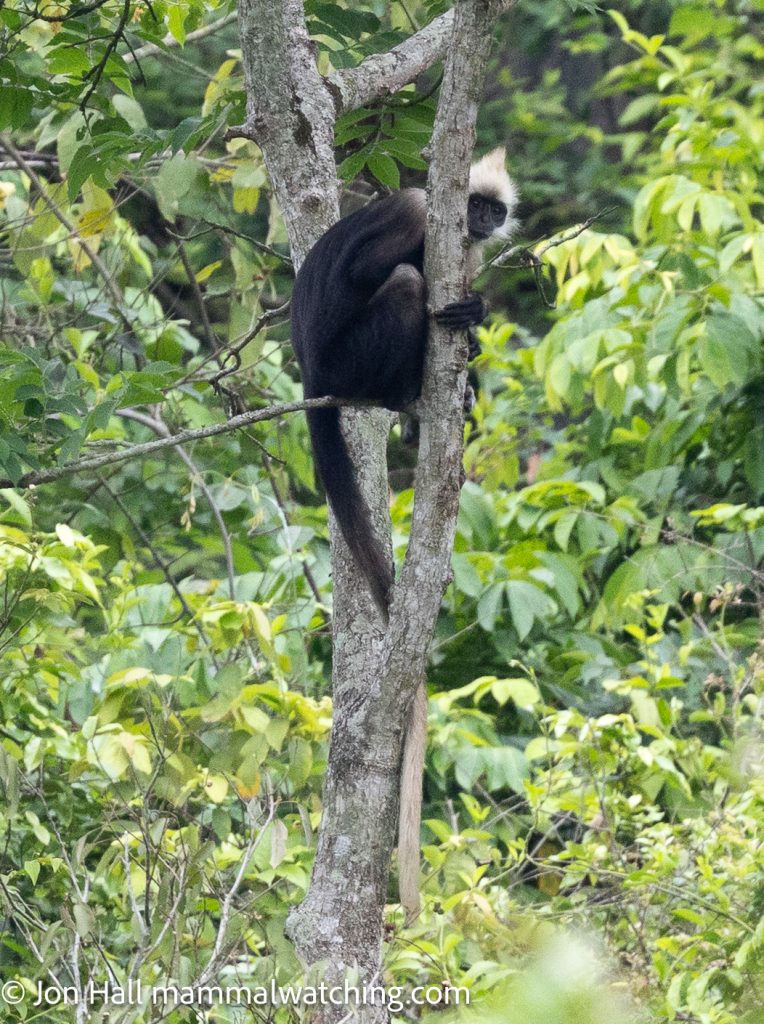
White-headed Langur (Trachypithecus leucocephalus)
As you are driving into the reserve you drive through a tunnel. A few minutes later you pass an obvious cave on the right hand side of the road. We walked inside and found a colony of Great Himalayan Roundleaf Bats.
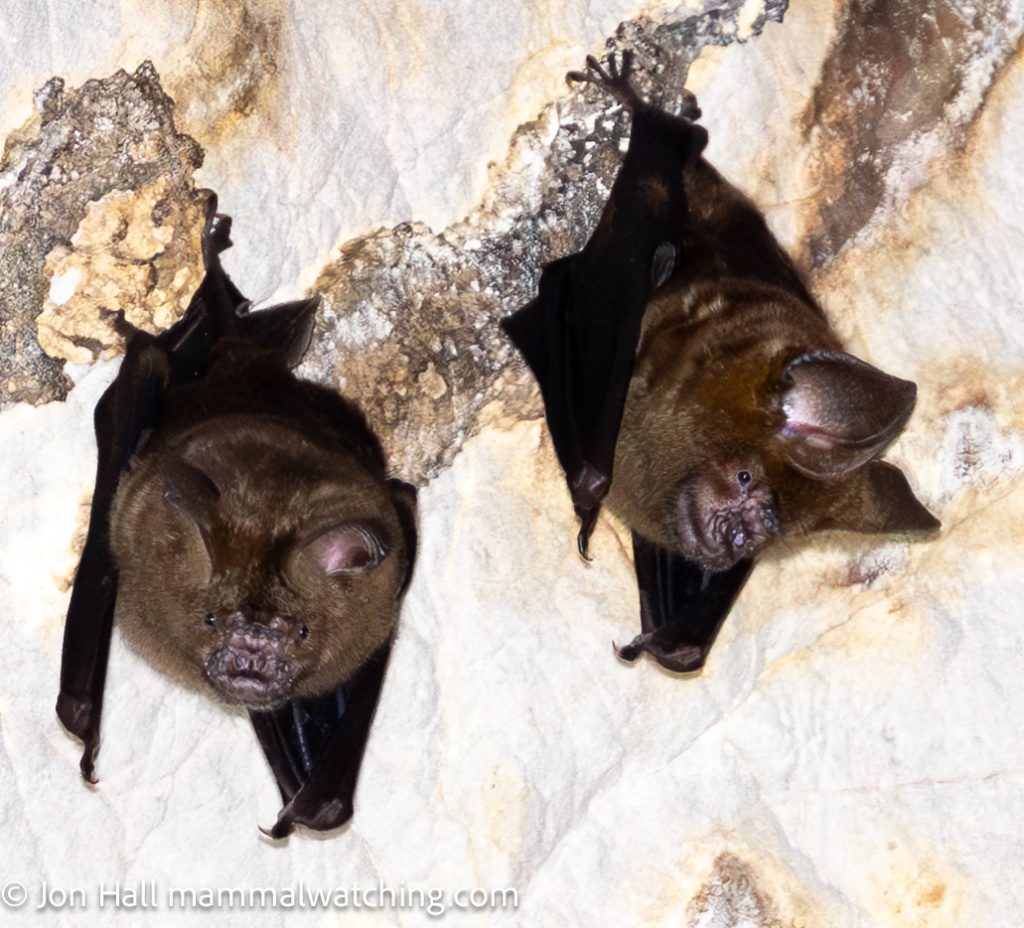
Great Himalayan Roundleaf Bat (Hipposideros armiger)
Longzhou
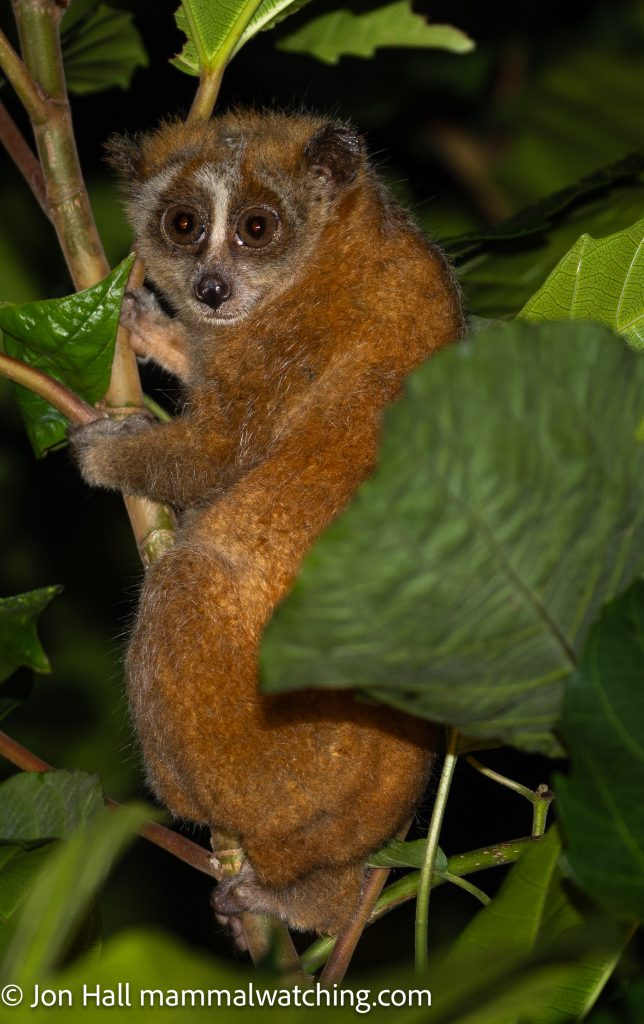
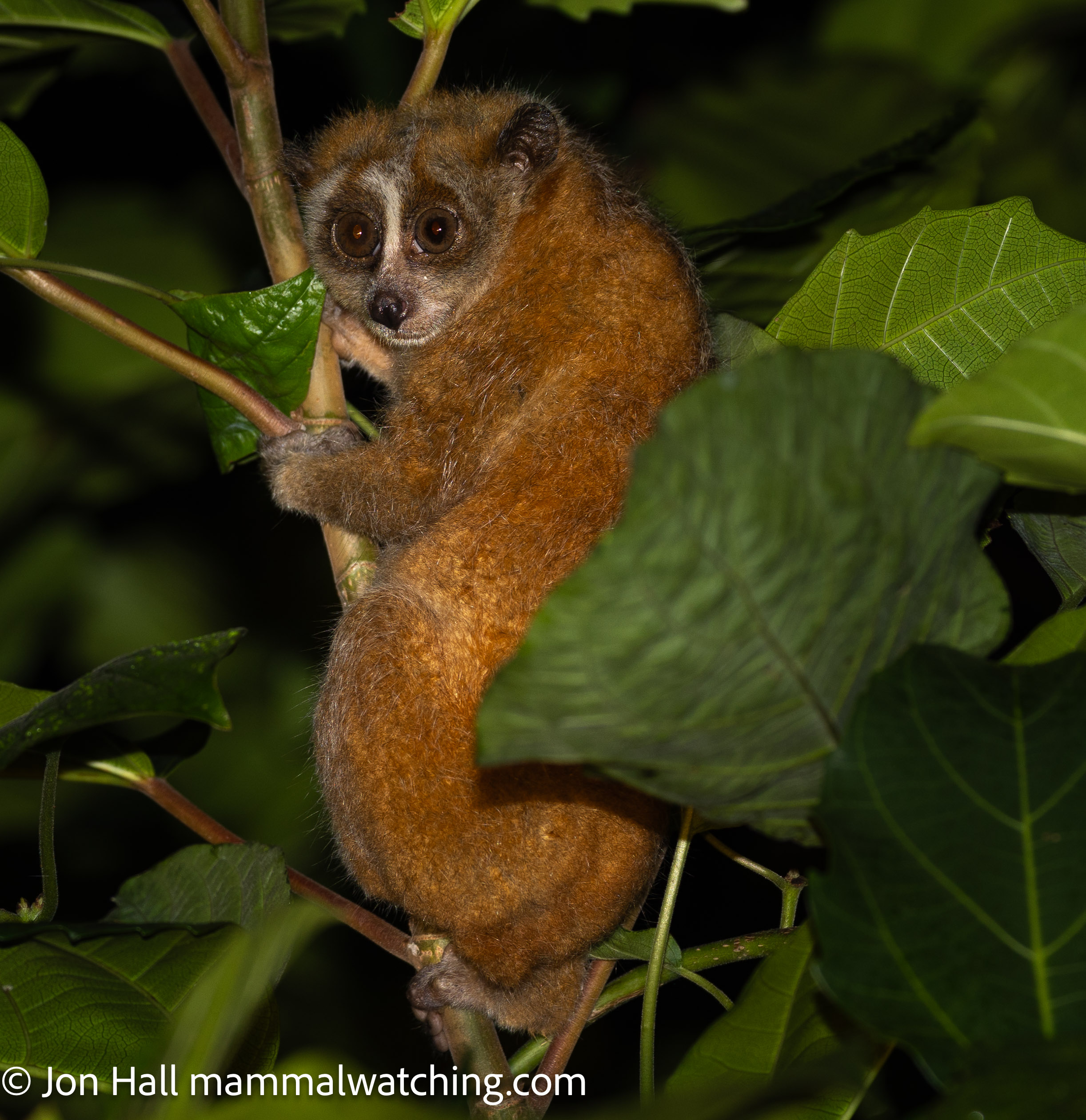
Northern Pygmy Slow Loris (Xanthonycticebus intermedius)
We continued west for three hours towards the Vietnamese border to reach a small village near Longzhou. The area is popular with birders and has recently become known as an excellent spot to search for Northern Pygmy Slow Loris.
Zhou and I met up with Lao Er, our local guide, and had lunch at his homestay in the village.
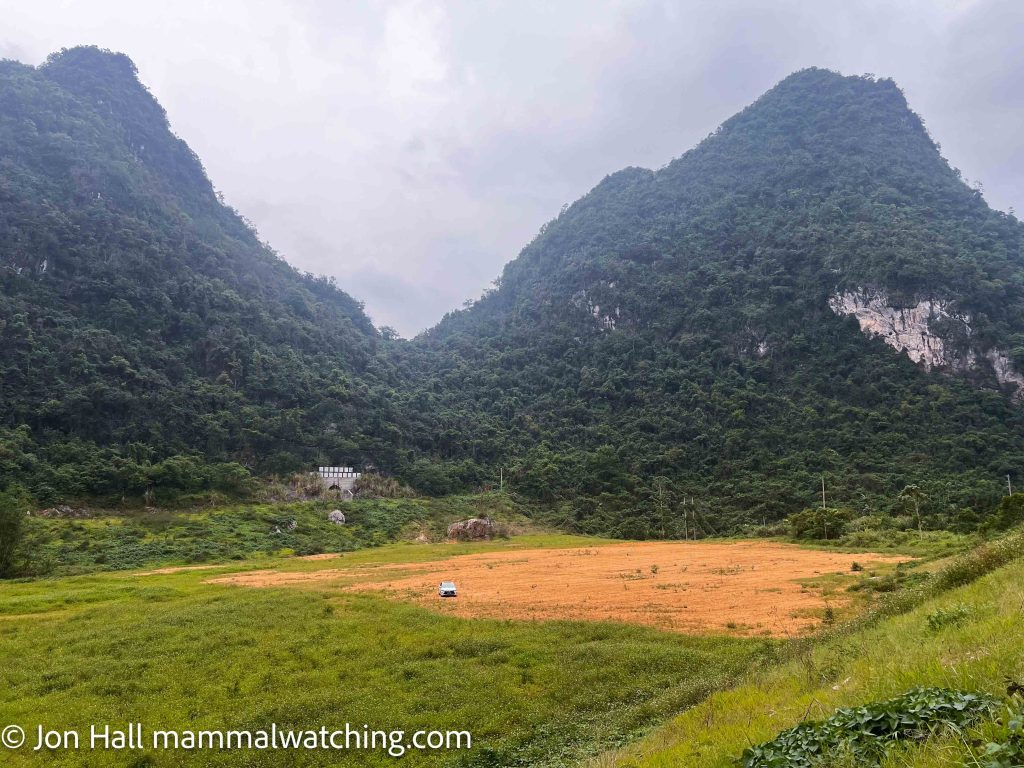
Home to bat caves and pygmy lorises
I was not feeling great so I took a three hour nap (though I am not sure a nap is really the right word for a three hour sleep) and then Lao Er took us to two bat caves at the base of the karsts. It isn’t easy jungle to walk through: steep slopes and many hidden holes. Several of which I slipped into.
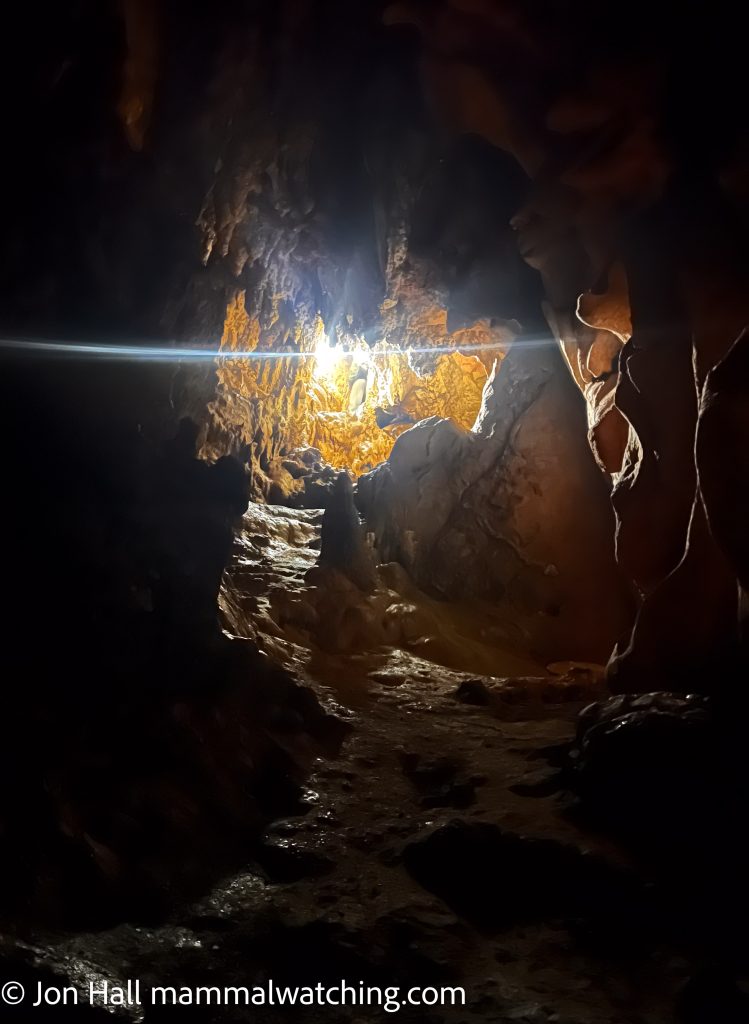
The caves were a decent size but the only bats we found were a few Pearson’s Horseshoe Bats.
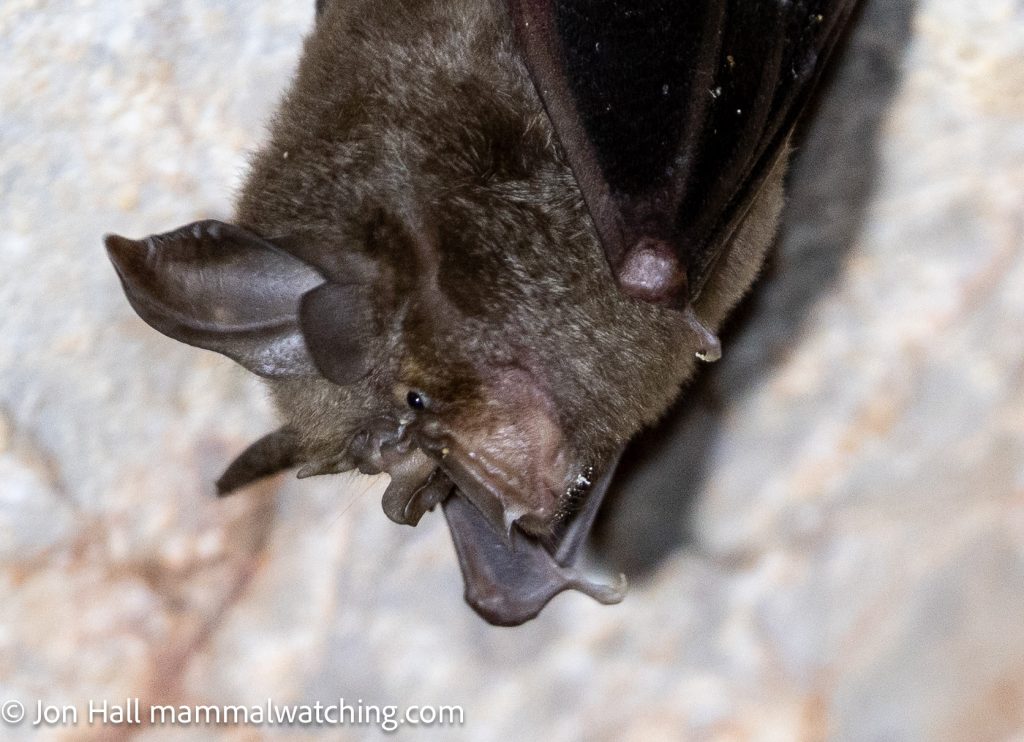
Pearson’s Horseshoe Bat (Rhinolophus pearsonii)
After dinner Lao Er took us out to search for the lorises. We sat in a trailer attached to the back of his motorbike. An affective viewing platform though we were not the quietest vehicle on the road! His two brothers were also searching for lorises and in two hours we found five of them. Two gave unbeatable views.
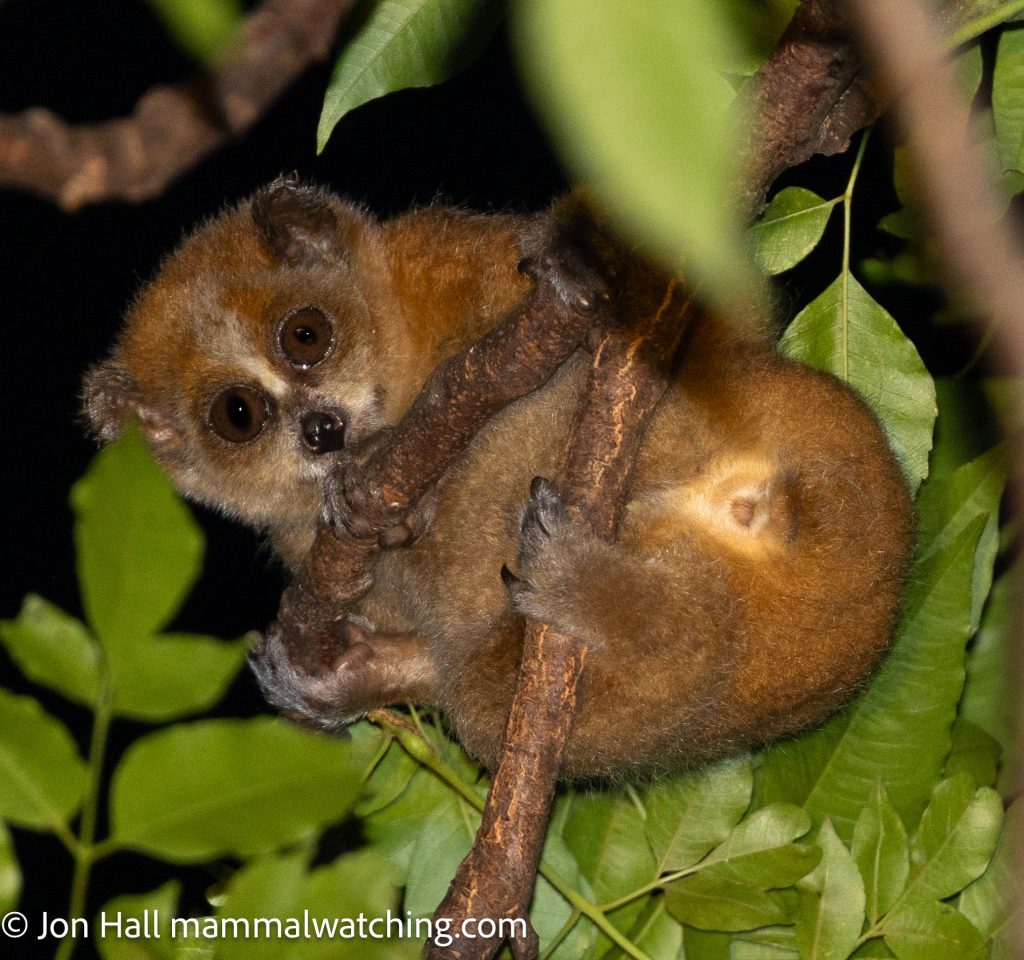
Northern Pygmy Slow Loris (Xanthonycticebus intermedius)
Lao Er was careful not to spend two long with each animal and not disturb them too much with our lights.
The pygmy loris was only quite recently discovered in Guangxi. People knew there were lorises there, but it wasn’t until 2025 that researchers discovered the animals were not the Bengal Lorises as they had assumed, but the Northern Pygmy flavour.
The species can also be found in Yunnan but is considered very rare. I haven’t yet been to Vietnam’s Cuc Phong National Park, where they can also be found, but I doubt if they are quite so easy to see as here.
Lao Er asked that I not include the name of the village or even his contact details in the report: he is concerned that people may try to capture the animals for the pet trade. But please get in touch with me if you want to visit and I can pass on his contact information.
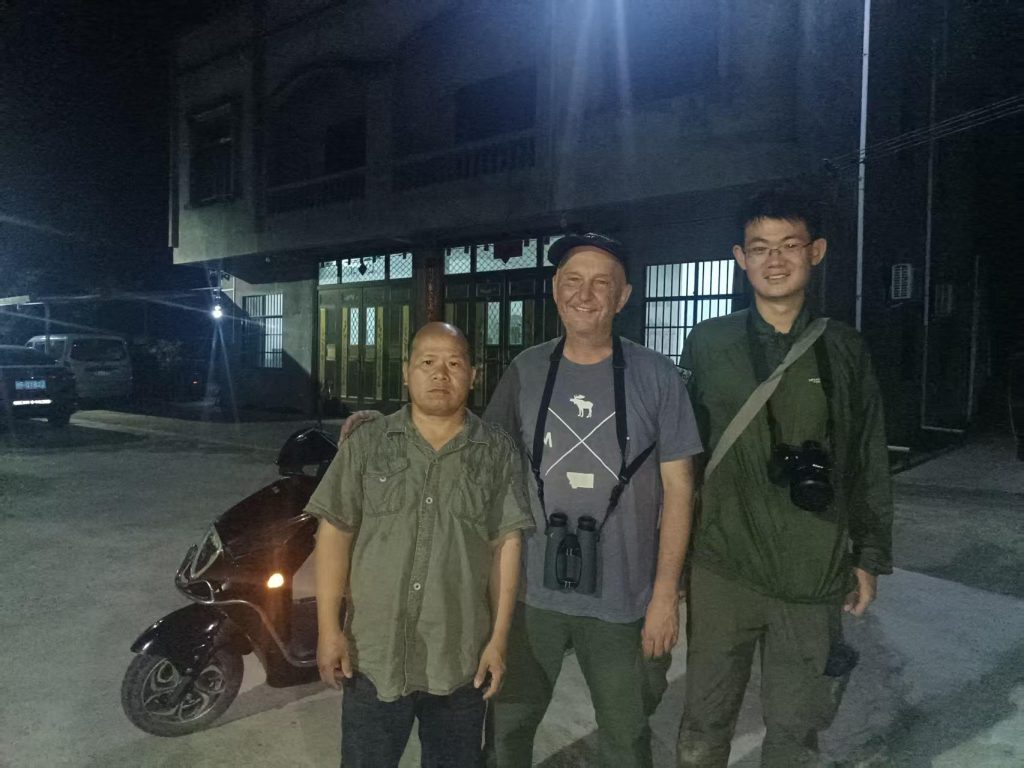
Lao Er, me and Zhou (l- r)
We spent the night in a nice hotel in the two 20 minutes up the road and it took just two hours to get back to Nanning Airport the following morning.
A very big thank you to Zhou Fangyi for masterminding what was a very successful – two lifer – day for us both! And for his help with fact checking this report and sharing his knowledge more generally during the trip. You can find Zhou on Facebook here.
Thank you too to Lao Er for showing us around his village and for caring about the wildlife there.
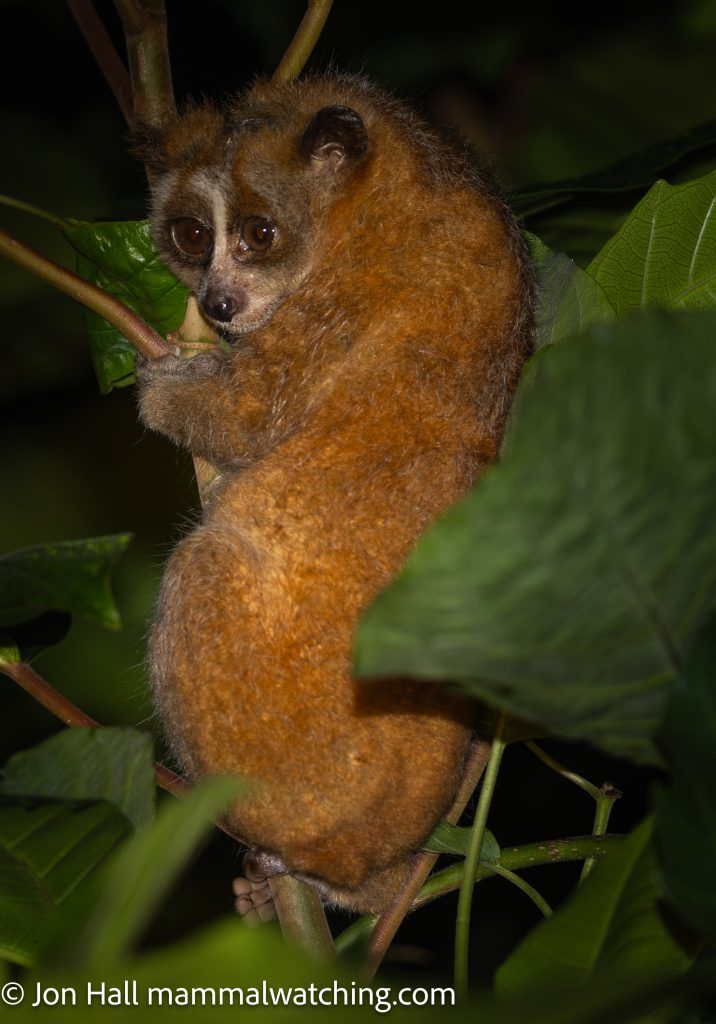
Northern Pygmy Slow Loris (Xanthonycticebus intermedius)

Post author
Leave a Reply
You must be logged in to post a comment.