

Lost Mammals List
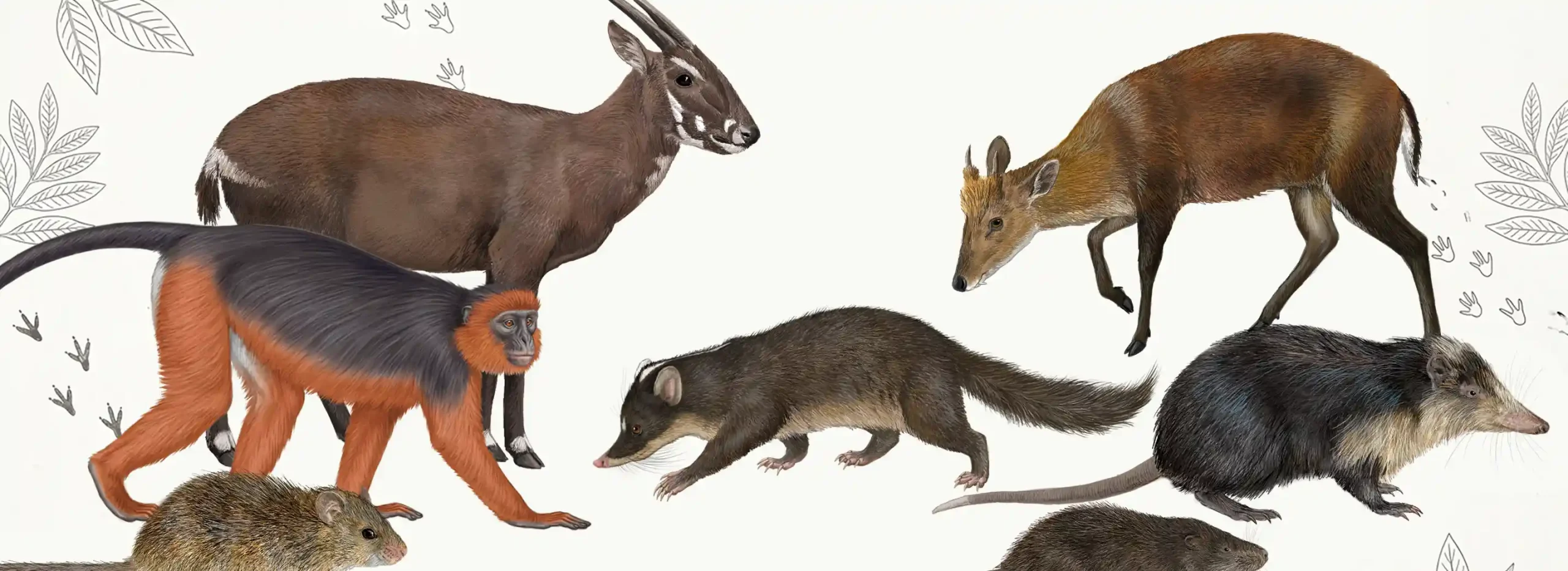
With thousands of mammalwatchers now traveling each year to remote areas, the money we spend and the things we discover are making significant contributions to both conservation and science. Mammalwatching is much more than a hobby! Though if you are reading this I guess you knew that already… To encourage and inspire more travel to the mammalwatching frontier we have compiled a list of 21 ‘lost’ species that the world wants to know more about. These species were chosen using a variety of factors: with the main one being that they are all poorly known. Some, such as the Saola, seem lost to science despite considerable effort. Others, such as the Sumatran Porcupine, ought to be fairly easy to see but are seldom if ever reported by mammalwatchers. While some species, such as the Nimba Otter Shrew, may need us to come up with new techniques to find them (do you remember when pocket gophers were difficult to spot until we discovered they come to the surface when you open up their hole?). The list has been compiled in part to encourage the mammalwatching community to visit new areas, and in part to encourage us to invent new mammalwatching methods. It is your chance to have an adventure, make the headlines and contribute to global science and conservation at the same time.
But there’s more! There will be prizes for those who discover a lost mammal and document it well enough to satisfy a panel of experts. And the first sponsor to step up is Carlos Bocos, legendary mammalwatching guide from Mammalia Tours, who is already offering an incredible prize: the first person under the age of 35 to find a lost species will win a spot on a tour with his new tour company, Mammalia! (The exact tour will depend on where the winner wants to go and what is available).
Anyone familiar with Carlos’s tours should be foaming at the mouth over this prize, which is the only reasonable reaction to such an opportunity (Ellen Linton, 2026).
So, with a prize like this and the irresistible lure of rare mammals, the question is not if a mammalwatcher will find one of these species, but rather when they will!
Other sponsors are now signing up and we are adding them here in the order they come on board.
OneStop Borneo Wildlife are offering a 5 day safari in Sabah to the wonderful Beluran Safari and Tawau Hills camps.
Winning expeditions will be able to choose one prize from the list. This should probably go to whoever first saw the animal … but feel free to fight about that amongst yourselves if you are a part of a group. In order to win you need to have clear photographic proof of having rediscovered a species that satisfies the judges, all submitted in a full trip report.
A very big thank you to Mammalia Tours for being the first sponsor of the Lost Mammal List and to Lynx Nature Books for generously providing all the artwork for the Lost Species (all sourced from their superb Handbook of the Mammals of the Word series). And of course thanks to all who have also offered their support. If you would like to sponsor a prize the please get in touch.



Discover the most wanted lost & found species below, or use the links to go straight to any profile.
Seram Bandicoot | Miss Waldron’s Red Colobus | Sumatran Porcupine | Red Crested Tree-rat | Namdapha Flying Squirrel | Laotian Flying Squirrel | Bartels’s Flying Squirrel | Nimba Otter-shrew | Togo Mouse | Emperor Giant Rat | Ilin Bushy-tailed Cloud Rat | Javan Bamboo Rat | Luzon Short-nosed Rat | Thor’s Hero Shrew | Cuban Solenodon | Bulmer’s Fruit Bat | Blue-eyed Spotted Cuscus | Cuc Phuong Ferret-badger | Chinese Pygmy Weasel | King Genet | Saola | Abyssinian Genet *FOUND* | Javan Palm Civet *FOUND* | Pousargues’s Mongoose *FOUND* | Pygmy Long-fingered Possum *FOUND* | Western Long-beaked Echidna *FOUND*
Toni Llobet, © Lynx Nature Books, Source: Handbook of the Mammals of the World, Volume 5: Monotremes and Marsupials
OCEANIA · AUSTRALASIAN · INDONESIA
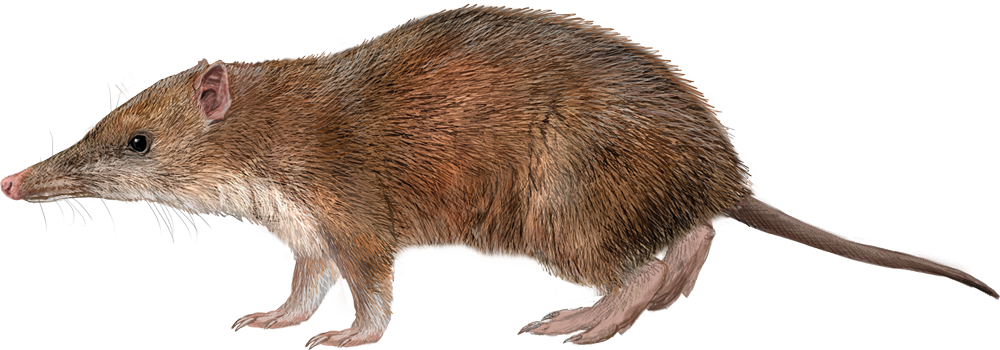
Seram Bandicoot
Rhynchomeles prattorum
The Seram Bandicoot, known from seven specimens collected in 1920, is endemic to Seram Island. All specimens were collected from Manusela National Park and likely occurs in high-altitude moss forest where recent surveys to the area have not explored. Deforestation, wild fires, and feral, introduced species all likely threaten this mammal making it all the more important to find one.
Ilian Velikov, © Lynx Nature Books, Source: Handbook of the Mammals of the World, Volume 3: Primates
AFRICA · AFROTROPICAL · IVORY COAST
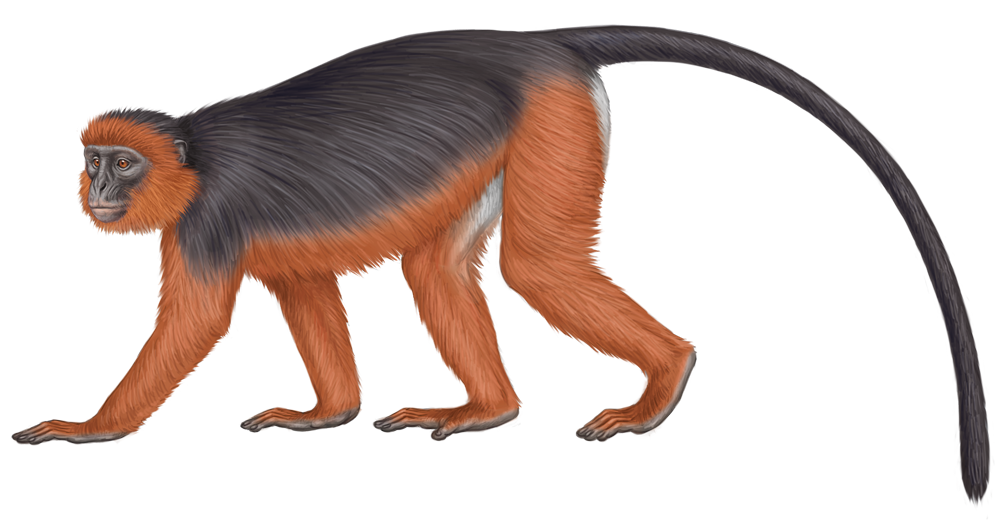
Miss Waldron’s Red Colobus
Piliocolobus waldroni
Toni Llobet, © Lynx Nature Books, Source: Handbook of the Mammals of the World, Volume 6: Lagormorphs and Rodents I
ASIA · INDOMALAYAN · INDONESIA
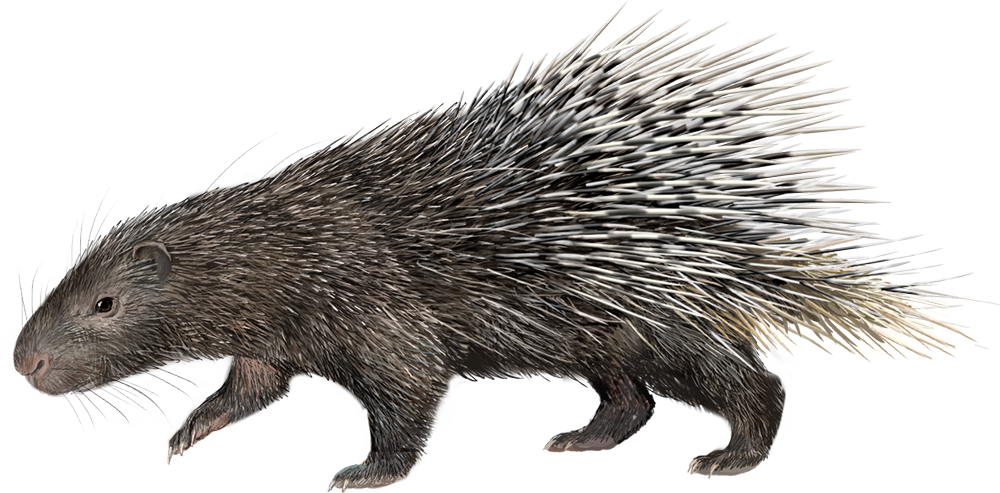
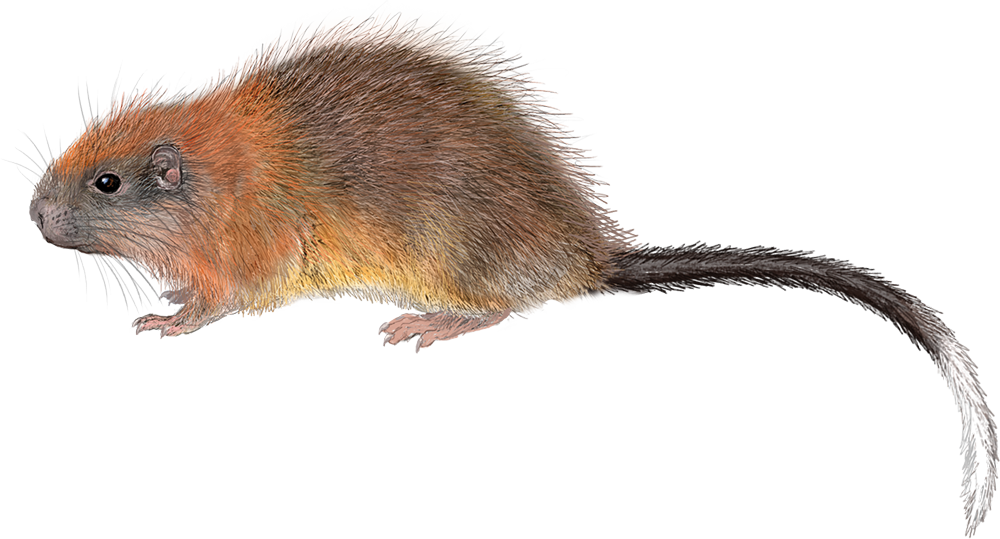
Sumatran Porcupine
Hystrix sumatrae
This species is endemic to the island of Sumatra and occurs in a wide variety of habitats. But for such a widespread animal, it is rarely seen and so it finds it’s way onto this list. Despite Sumatra being a popular mammalwatching destination, this porcupine only has two observations, one from 2023 and the other from 2024, on INaturalist with actual sightings: exceedingly low for what is both a widespread and adaptable species.
Toni Llobet, © Lynx Nature Books, Source: Handbook of the Mammals of the World, Volume 6: Lagormorphs and Rodents I
SOUTH AMERICA · NEOTROPICAL · COLOMBIA
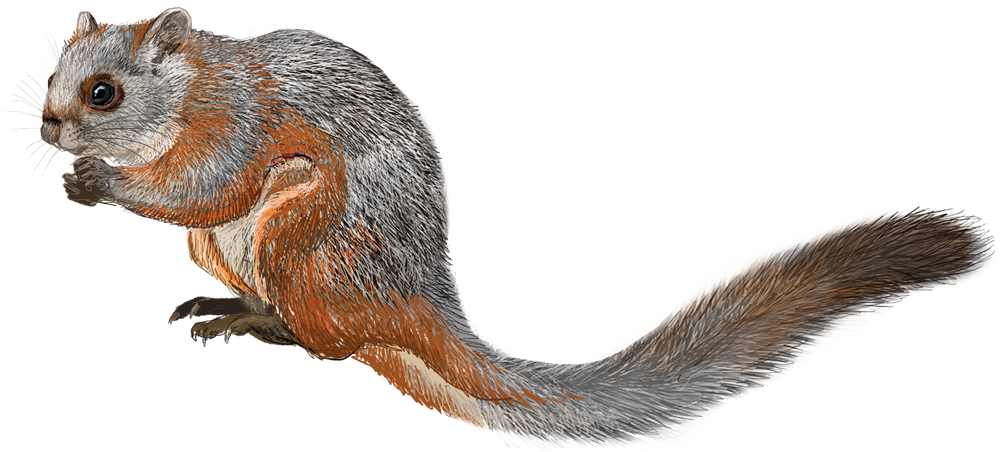
Red Crested Tree-rat
Santamartamys rufodorsalis
A charismatic and gorgeous rodent, it was known initially from two specimens with the first being collected in 1898 and the second collected in 1913. That was the last heard from this species until 2011, when one individual was photographed. The specimens were collected in Santa Marta Magdalena and Nevada de Santa Marta in Colombia, but the photograph comes from El Dorado ProAves Reserve. Endemic to Colombia and only occurring at altitudes of 700 to 2,000m, this species is critically endangered due to habitat degradation and feral cats.
Toni Llobet, © Lynx Nature Books, Source: Handbook of the Mammals of the World, Volume 6: Lagormorphs and Rodents I
ASIA · INDOMALAYAN · INDIA
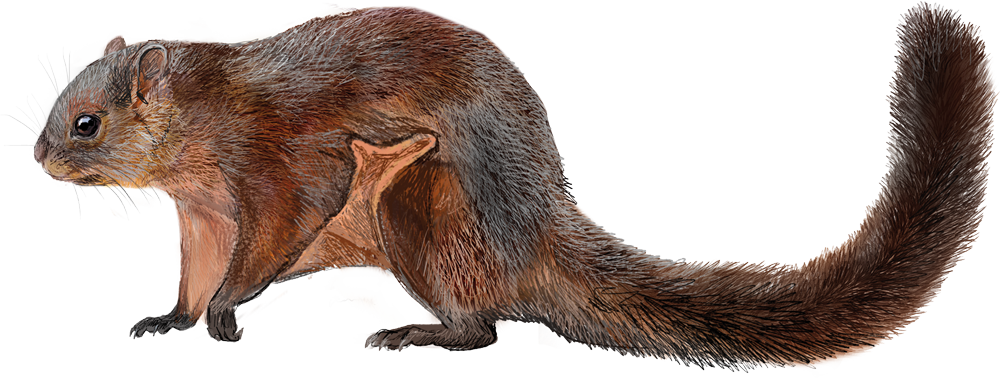
Namdapha Flying Squirrel
Biswamoyopterus biswasi
This squirrel is known from a single specimen collected in 1981 in Namdapha National Park and it is endemic to Arunachal Pradesh in northeastern India. Considered critically endangered due to poaching and habitat destruction, this is a species that desperately needs to be found.
Toni Llobet, © Lynx Nature Books, Source: Handbook of the Mammals of the World, Volume 6: Lagormorphs and Rodents I
ASIA · INDOMALAYAN · LAOS
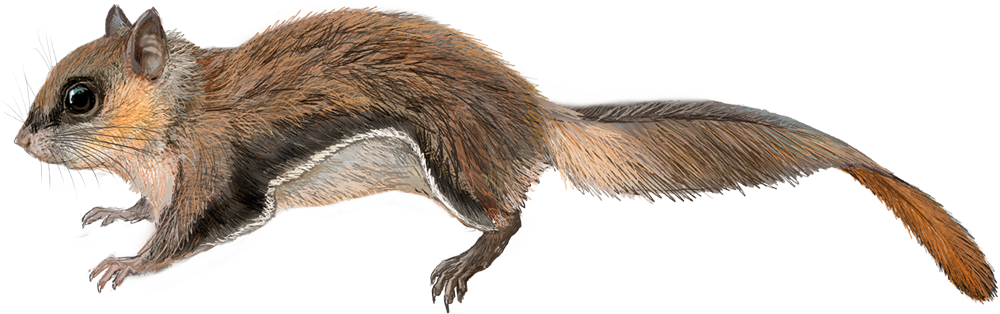
Laotian Flying Squirrel
Biswamoyopterus laoensis
The Laotian Flying Squirrel was discovered in a bushmeat market in 2012 and another survey to the market later discovered 10 more specimens. Despite finding the squirrel in the market, no one has seen one alive and so no one is sure where it occurs, though scientists speculate it occurs in habitat not far from the market. The conservation status of this species is unknown, but it is most likely endangered due to both deforestation and poaching.
Toni Llobet, © Lynx Nature Books, Source: Handbook of the Mammals of the World, Volume 6: Lagormorphs and Rodents I
ASIA · INDOMALAYAN · INDONESIA
Bartels’s Flying Squirrel
Hylopetes bartelsi
This species is known from three specimens all collected from West Java, Indonesia. The first specimen was collected in 1902, and the next two specimens were collected in 1938 before being formally described in 1939. Much is unknown about this species, from its habitat to its population status.
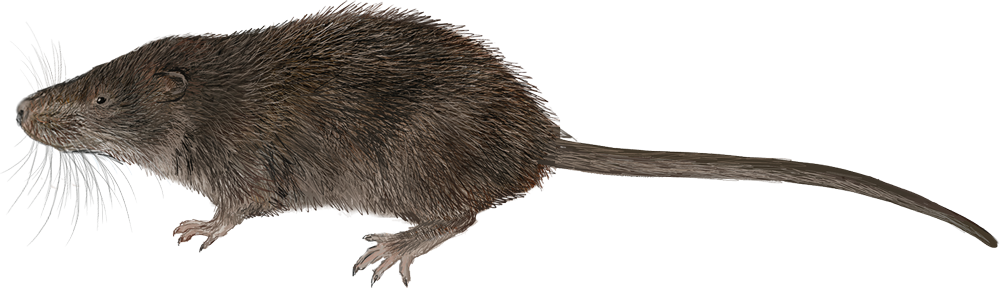
Toni Llobet, © Lynx Nature Books, Source: Handbook of the Mammals of the World, Volume 8: Insectivores, Sloths and Colugos
AFRICA · AFROTROPICAL · GUINEA
Nimba Otter-shrew
Micropotamogale lamottei
The Nimba Otter-shrew is a very cool species, belonging to the genus Micropotamogale which means tiny, river weasel. What an outrageously delightful name! It lives in the Mount Nimba area which borders Liberia, Ivory Coast, and Guinea. It is unfortunately endangered due to both habitat loss and degradation.
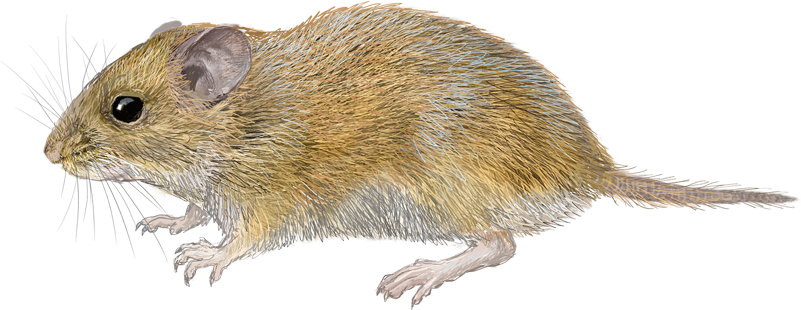
Toni Llobet, © Lynx Nature Books, Source: Handbook of the Mammals of the World, Volume 7: Rodents II
AFRICA · AFROTROPICAL · TOGO
Togo Mouse
Leimacomys buettneri
This mouse is known from only two specimens collected in 1890 from Bismarckburg, Togo. Some authorities believe the Togo Mouse is extinct but there are areas in the region that have not been surveyed where it may still persist.
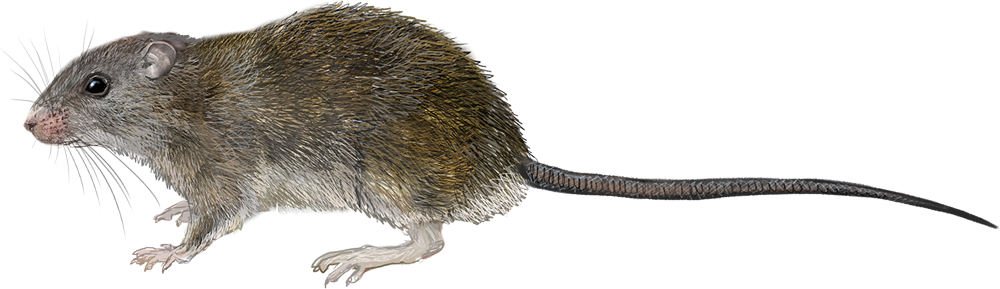
Toni Llobet, © Lynx Nature Books, Source: Handbook of the Mammals of the World, Volume 7: Rodents II
OCEANIA · AUSTRALASIAN · SOLOMON ISLANDS
Emperor Giant Rat
Uromys imperator
This giant rat is endemic to the island of Guadalcanal in the Solomon Islands and very little is known about it. It has been classified as critically endangered and is threatened by habitat loss. Some think it may be extinct but that cannot be determined without continued investigation.
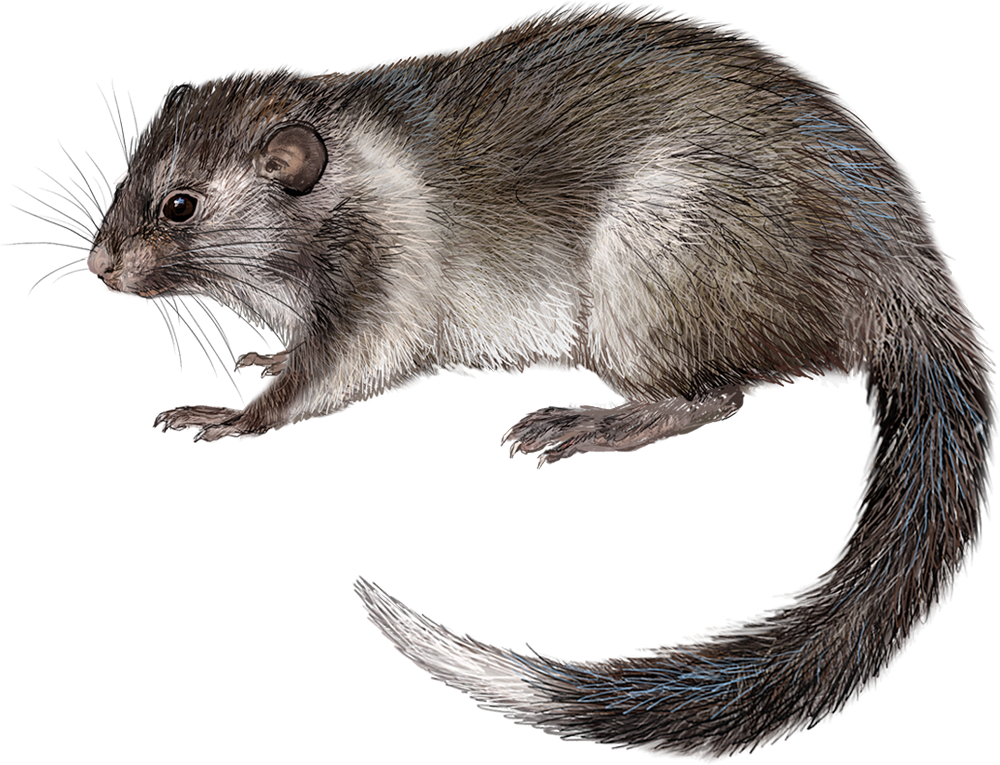
Toni Llobet, © Lynx Nature Books, Source: Handbook of the Mammals of the World, Volume 7: Rodents II
ASIA · INDOMALAYAN · PHILIPPINES
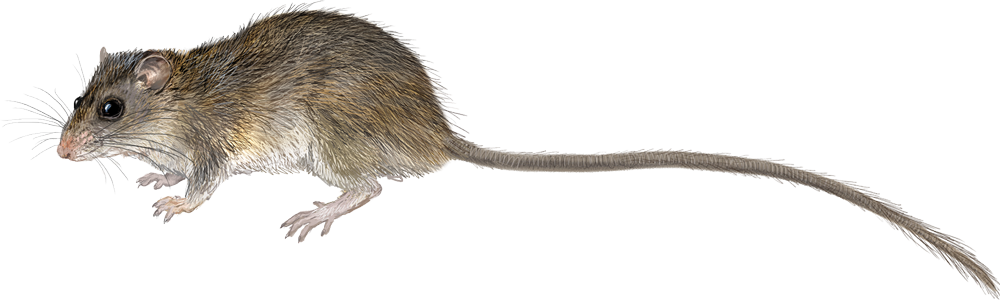
Ilin Bushy-tailed Cloud Rat
Crateromys paulus
This very cool rat is known from a single specimen purchased on Ilin Island in the Philippines in 1953. Ilin Island has faced severe habitat destruction but because there is no guarantee that the specimen originated from Ilin Island, searches have continued on Mindoro Island nearby. If the species is still alive, then it is likely endangered.
Toni Llobet, © Lynx Nature Books, Source: Handbook of the Mammals of the World, Volume 7: Rodents II
ASIA · INDOMALAYAN · INDONESIA
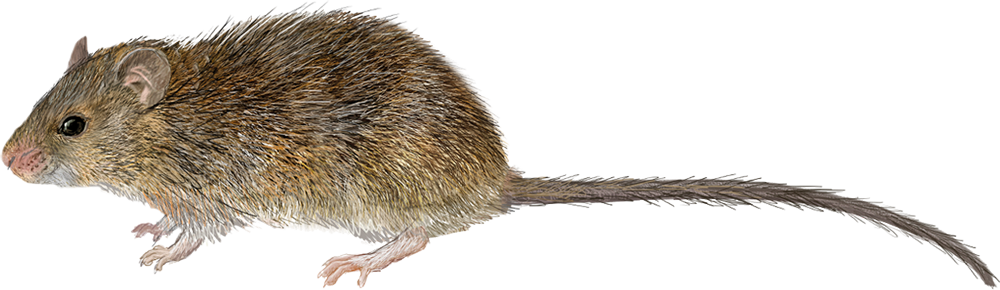
Javan Bamboo Rat
Kadarsanomys sodyi
This rat is a narrow endemic known from the bamboo forests of Gunung Gede Pangrango National Park in West Java. Originally discovered in 1937, this is a distinctive rodent described as having yellow spots dotting it’s dark brown fur.
Toni Llobet, © Lynx Nature Books, Source: Handbook of the Mammals of the World, Volume 7: Rodents II
ASIA · INDOMALAYAN · PHILIPPINES
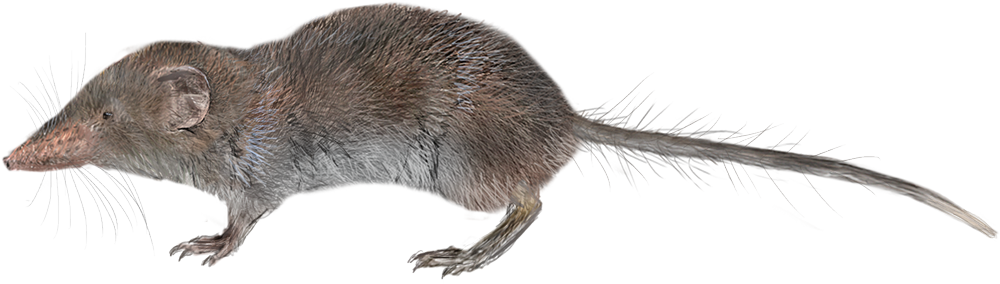
Luzon Short-nosed Rat
Tryphomys adustus
The Luzon Short-nosed Rat is an endemic discovered in 1910. Hailing from the Philippines, it is known from only three provinces. Much like other species on this list, next to nothing is known about the rodent.
Toni Llobet, © Lynx Nature Books, Source: Handbook of the Mammals of the World, Volume 8: Insectivores, Sloths and Colugos
AFRICA · AFROTROPICAL · DR CONGO
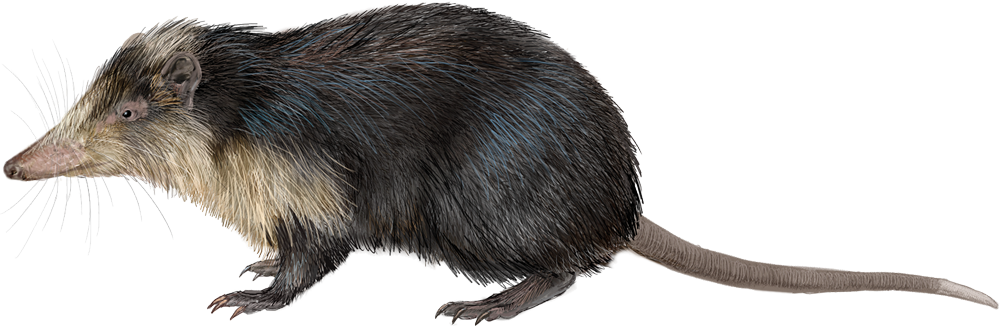
Thor’s Hero Shrew
Scutisorex thori
The Thor’s Hero Shrew is one of the most recently discovered species on this list as it was first described in 2013. This shrew is endemic to the Democratic Republic of the Congo and has a particularly awesome evolutionary characteristic. The Thor’s Hero Shrew has an interlocking vertebrae, which allows it to withstand great force. These shrews have been observed while having fully grown men stand on them and rather than getting squashed, the shrew is able to resist such incredible weight and live on. There is a reason it got its name as it proves that sometimes superpowers come in tiny packages!
Toni Llobet, © Lynx Nature Books, Source: Handbook of the Mammals of the World, Volume 8: Insectivores, Sloths and Colugos
CARIBBEAN · NEOTROPICAL · CUBA
Cuban Solenodon
Atopogale cubana
Perhaps the most unique mammal on this list, the Cuban Solenodon is certainly a strange and wonderful creature. It was discovered in 1861 and has only been caught 36 times since. It is endemic to Cuba and is incredibly rare. It’s also dealing with many problems, like deforestation, invasive species, and habitat degradation. If one wants to track down oddest mammal on this list, then the Solenodon should be your top priority.
Toni Llobet, © Lynx Nature Books, Source: Handbook of the Mammals of the World, Volume 8: Insectivores, Sloths and Colugos
OCEANIA · AUSTRALASIAN · PAPUA NEW GUINEA
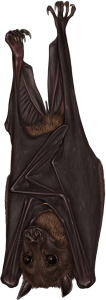
Bulmer’s Fruit Bat
Aproteles bulmerae
This is a truly giant bat endemic to Papua New Guinea. It’s discovery initially came from fossils, but live colonies were discovered later. This bat is one of the most endangered in the world, with multiple of it’s colonies being decimated by hunters. In fact, Bat Conservation International lists the Bulmer’s Fruit Bat as one of their top 35 species to conserve.
Toni Llobet, © Lynx Nature Books, Source: Handbook of the Mammals of the World, Volume 5: Monotremes and Marsupials
OCEANIA · AUSTRALASIAN · INDONESIA
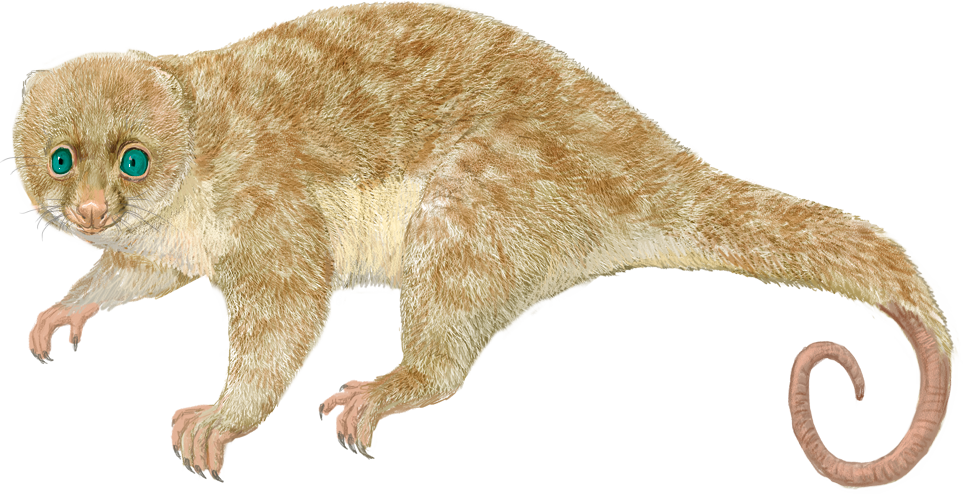
Blue-eyed Spotted Cuscus
Spilocuscus wilsoni
This species is one of the latest species to be discovered on this list, only being formally discovered in 2004 and can be found on several islands in Cenderawasih Bay in West Papua and Halmahera Island in Indonesia. This species, like others in its genus, has a highly restricted range which has made it especially vulnerable to threats like habitat loss, poaching, and the pet trade. This has unfortunately led to the cuscus being classified as critically endangered.
Toni Llobet, © Lynx Nature Books, Source: Handbook of the Mammals of the World, Volume 5: Carnivores
ASIA · INDOMALAYAN · VIETNAM
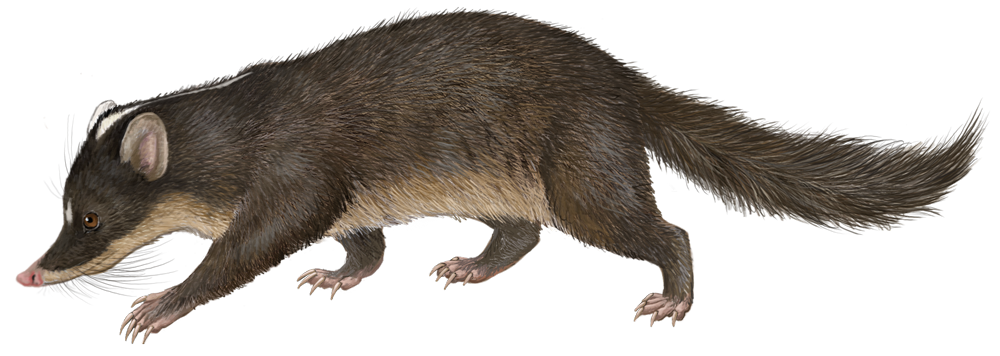
Cuc Phuong Ferret-badger
Melogale cucphuongensis
The ineptly named ferret-badger (it is not closely related to either ferrets or badgers), is a true treat of a mammal. This ferret-badger species is particularly interesting due to how little we know about it. It was first described in 2011 and is known from only two specimens collected from Cuc Phuong National Park in Vietnam.
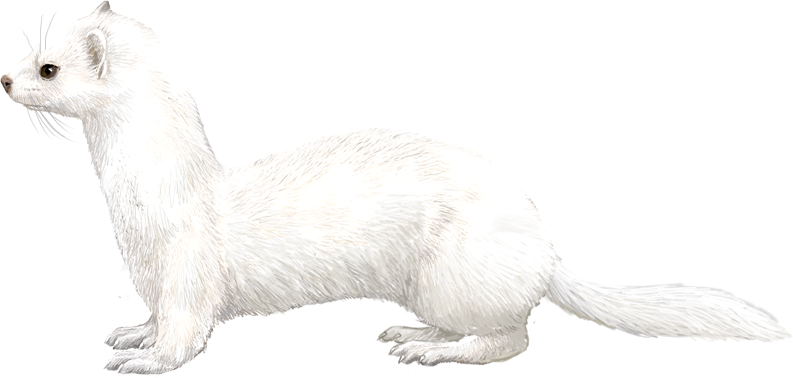
Toni Llobet, © Lynx Nature Books, Source: Handbook of the Mammals of the World, Volume 5: Carnivores. NOTE: This species was not covered in the Handbook and the illustration is of the very similar looking Mustela nivalis.
ASIA · PALEARCTIC · CHINA
Chinese Pygmy Weasel
Mustela aistoodonnivalis
If you like adorable mammals as much as me, you will be obsessed with this weasel. This species is only known from the Shaanxi and Sichuan provinces in China and was recently described after flying under the radar.
Toni Llobet, © Lynx Nature Books, Source: Handbook of the Mammals of the World, Volume 5: Carnivores
AFRICA · AFROTROPICAL · WEST & CENTRAL AFRICA
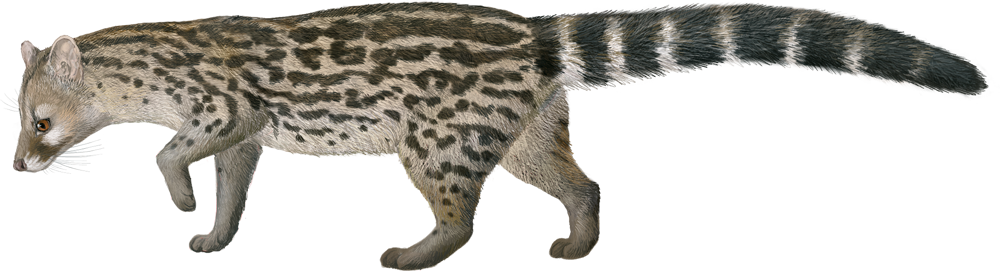
King Genet
Genetta poensis
Do you love mammals that look like a cross between a cat, a mongoose, and civet? Then this guy should be your favorite on the list. The King Genet is one of the earliest described species on this list. Discovered in 1838, it is known from the Republic of the Congo, Equatorial Guinea, Liberia, Ghana, and the Ivory Coast. However, it hasn’t been recorded since 1946.
Toni Llobet, © Lynx Nature Books, Source: Handbook of the Mammals of the World, Volume 2: Hooofed Mammals
ASIA · INDOMALAYAN · VIETNAM & LAOS
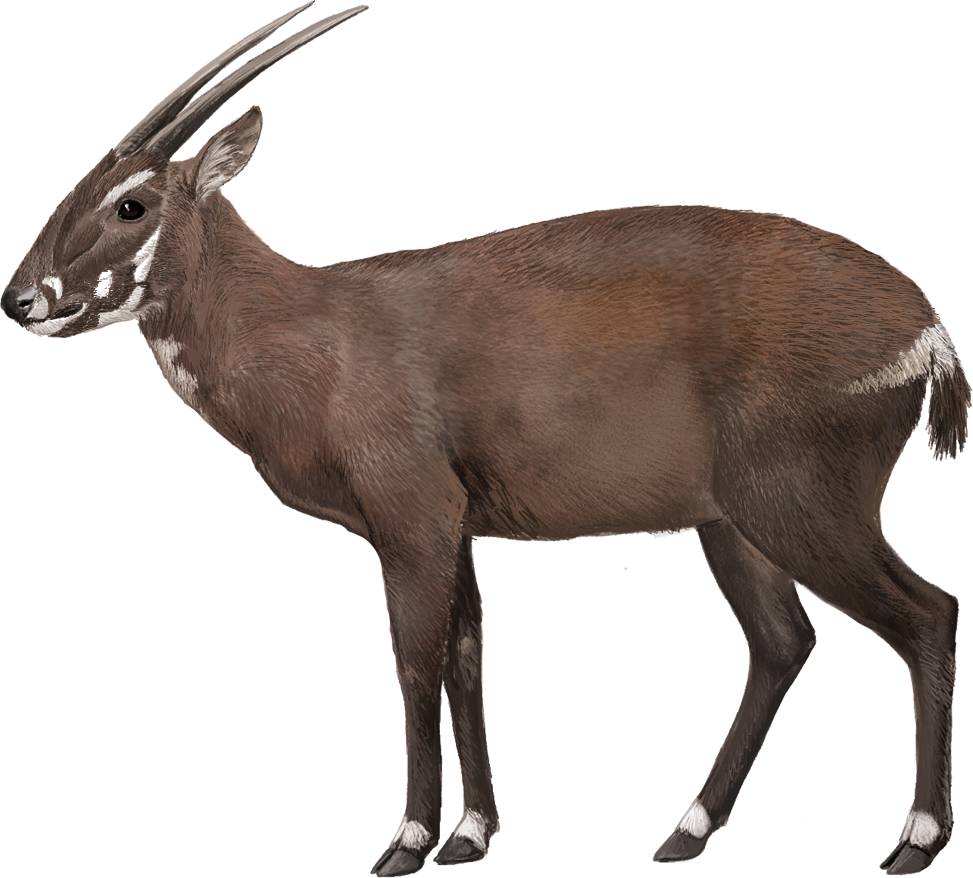
Saola
Pseudoryx nghetinhensis
The Saola was first discovered by scientists in 1992 and formally described a year later. This species is only known to occur in the Annamite Mountains of Laos and Vietnam, preferring evergreen or deciduous forests. Sadly, the Saola is critically endangered due to numerous factors. It has restrictive habitat needs and a shy nature, both of which make threats to the species like deforestation and poaching incredibly severe. The last photo of a Saola was taken in 2013 with a camera trap in Vietnam. If threats to the Saola continue in their current intensity, then it is likely the species will go extinct in the next ten years, if it has not disappeared already. This species is undoubtably one of the most pressing lost mammals to find.

AFRICA · AFROTROPICAL · ETHIOPIA
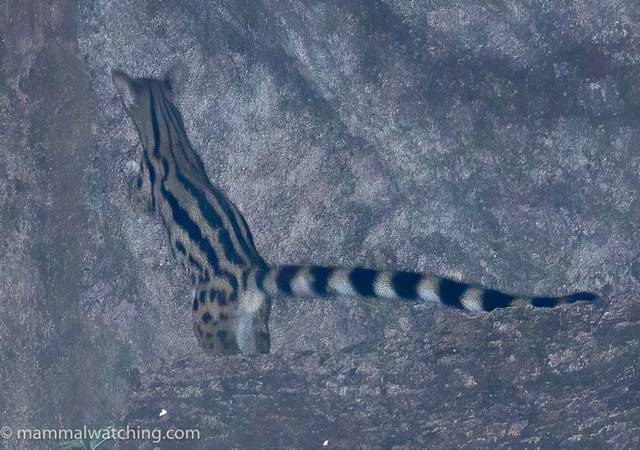
Abyssinian Genet
Genetta abyssinica
One of Africa’s least-known small carnivores, the Abyssinian Genet ranges across the highlands of Ethiopia, Eritrea, Somalia, Sudan and Djibouti, but sightings are so scarce that the IUCN lists it as Data Deficient — there simply isn’t enough information to properly assess how it’s doing. It’s a species mammalwatchers have quietly been chipping away at, with photographs from the field — including from our own community — helping build a clearer picture of where it still survives. See the 2024 trip report.
ASIA · INDOMALAYAN · INDONESIA
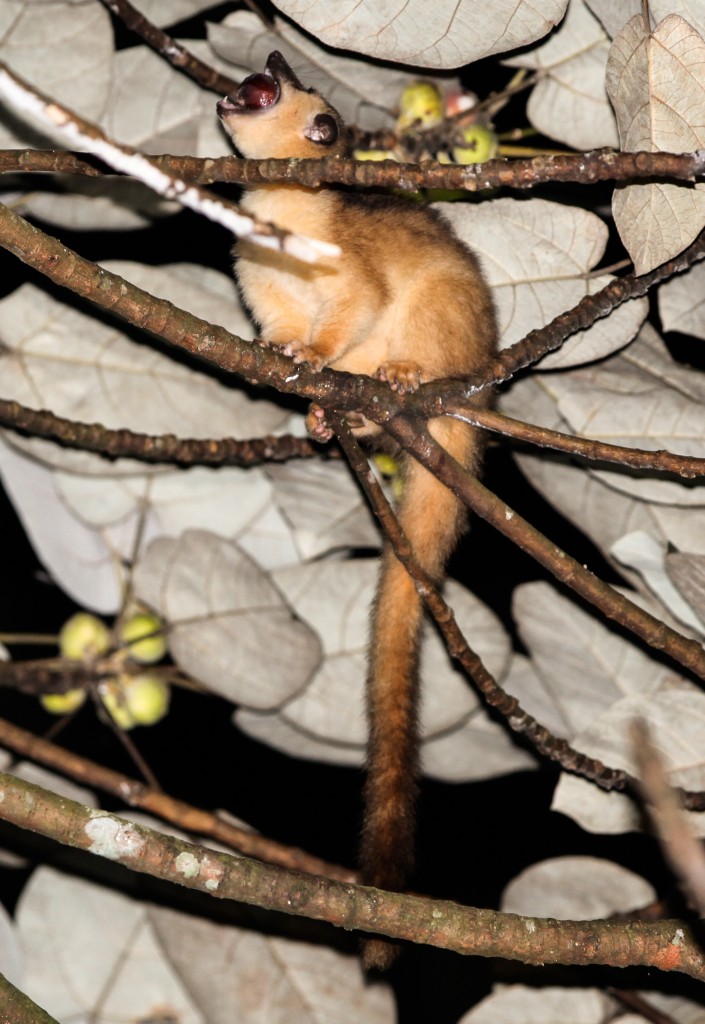
Javan Palm Civet
Arctogalidia trivirgata trilineata
This Javan form of the Small-toothed Palm Civet was considered one of the least-known larger mammals on the island back in 1937 — and for decades afterwards, next to nothing new came in. Repeated sightings of civets in a fig tree at Cikaniki research station in Gunung Halimun National Park between 2008 and 2010 gave the first clear field records of the Javan form in generations. Its pale, sometimes near-beige colouring hasn’t been recorded anywhere else in the species’ range, and some researchers now wonder whether it deserves recognition as a distinct species in its own right. See the report from 2010 and this IUCN paper.
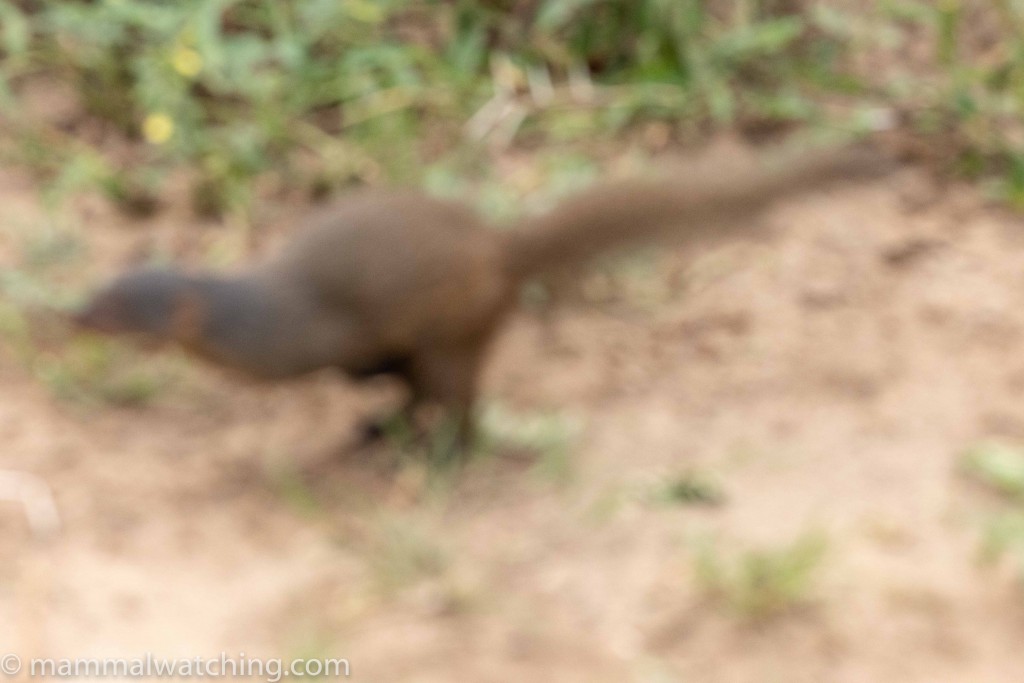
AFRICA · AFROTROPICAL · CENTRAL AFRICAN REPUBLIC
Pousargues’s Mongoose
Dologale dybowskii
Pousargues’s Mongoose Dologale dybowskii is a small carnivore, endemic to Central Africa. The species is little known and by 2013 there were only 31 museum specimens and unconfirmed sightings. But since 2013 there have been several published records with photographs: “probable” records from Chinko in the Central African Republic between 2009 and 2012 and a “confirmed” record by a mammal watcher from Semliki Nature Reserve in Uganda. Jon Hall recorded it again in Uganda in 2021 in Murchison Falls and since then there have been several records. See this paper from 2021.
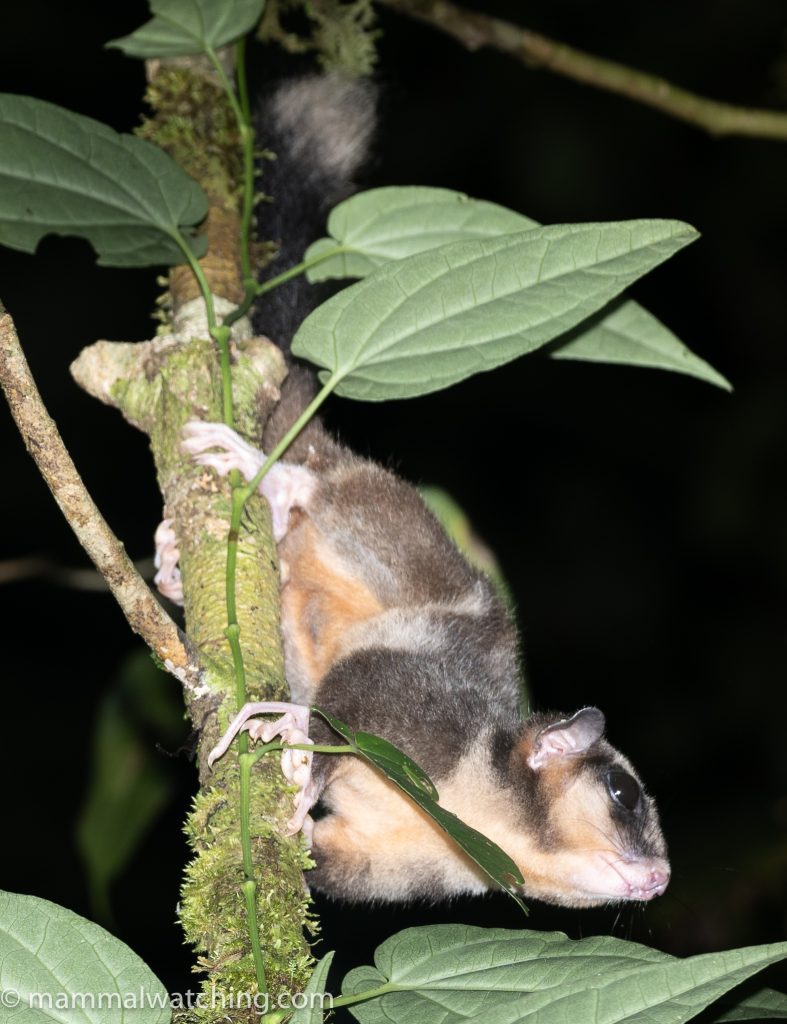
OCEANIA · AUSTRALASIAN · INDONESIA
Pygmy Long-fingered Possum
Dactylonax kambuayai
Known only from fossil teeth until a 2023 mammalwatching expedition led by Carlos Bocos photographed one alive in the forests of the Vogelkop Peninsula — a genuine ‘Lazarus taxon’, thought extinct for around 6,000 years. Working alongside Indigenous Tambrauw and Maybrat communities, scientists pieced together the discovery from field photographs, a misidentified museum specimen collected in 1992, and fossil fragments to confirm the possum was still very much alive. It’s one of mammalwatching’s own proudest contributions to conservation science. See the 2023 trip report.
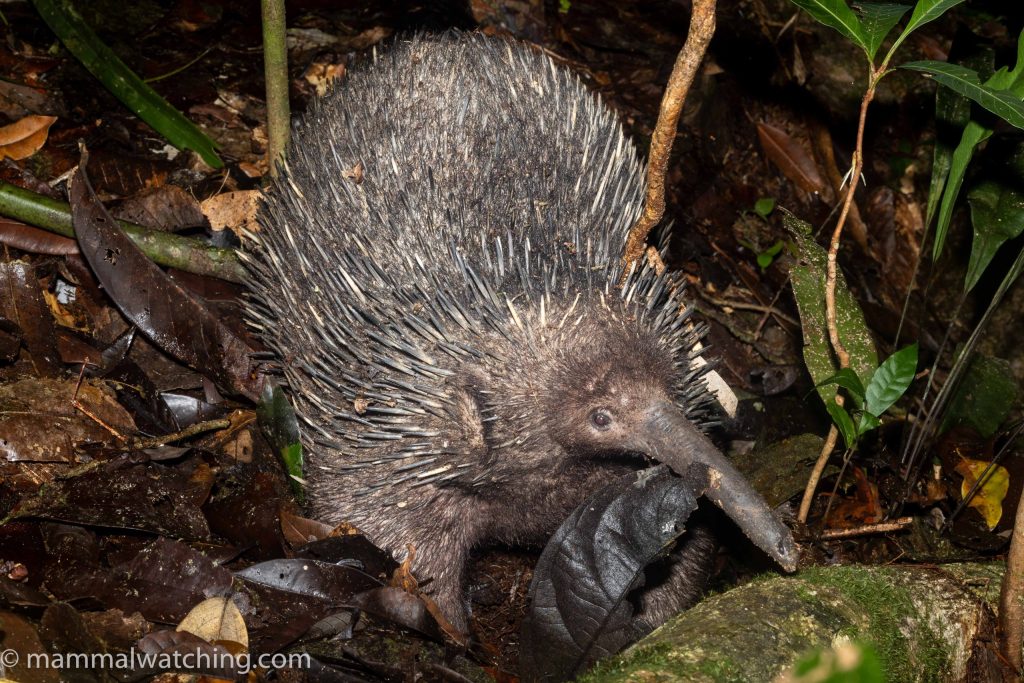
OCEANIA · AUSTRALASIAN · INDONESIA
Western Long-beaked Echidna
Zaglossus bruijnii
One of the world’s most elusive egg-laying mammals, the Western Long-beaked Echidna survives only in the mountainous interior of West Papua’s Vogelkop Peninsula, and even there it’s rarely seen thanks to its shy, solitary, nocturnal habits. Rather than a single dramatic rediscovery, its persistence has been pieced together gradually — through camera traps, forest surveys, and crucially, the ecological knowledge of local communities who know exactly where to look. (Note: its close relative, Attenborough’s Long-beaked Echidna, is the one that made global headlines in the Cyclops Mountains — a different species, easy to mix up.) A mammalwatcher recorded it in 2021 and then a group led by Carlos Bocos found the species again in a different location, that has now proven to be a reliable site for the species and led to a thriving ecotourism project. See the 2023 trip report.